
Jamnagar's Industrial Workers Face Heightened Respiratory Risks
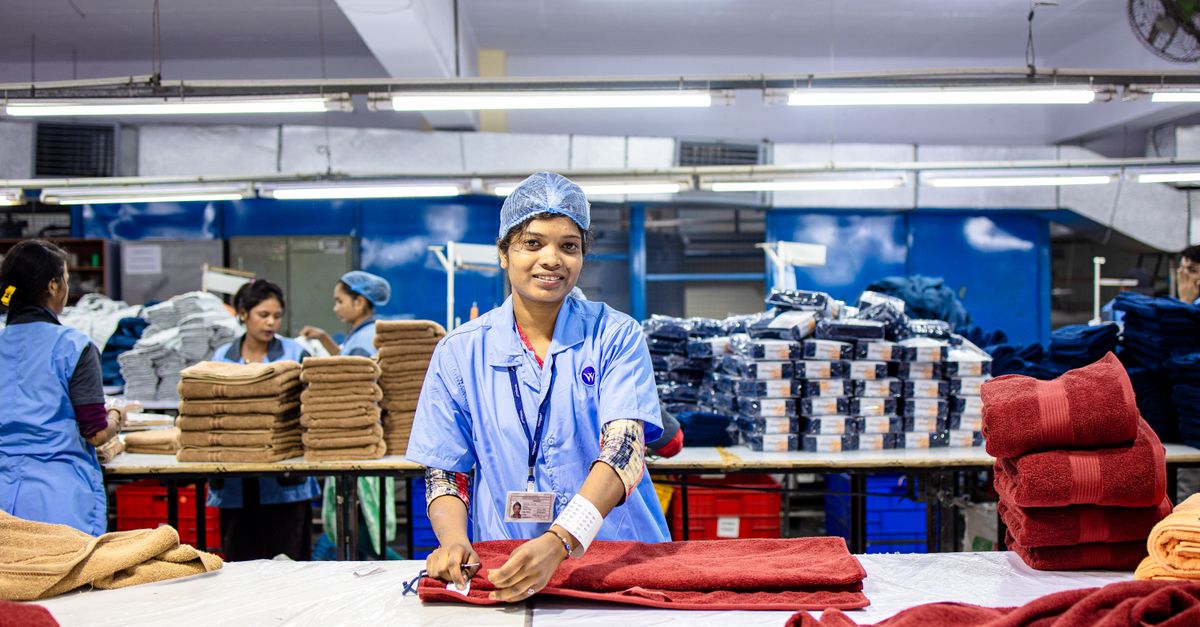
Industrial workers in Jamnagar face severe respiratory risks. Addressing occupational health is crucial for safeguarding their well-being.
In Jamnagar, a city renowned for its expansive industrial landscape, the health of workers is increasingly coming under scrutiny. With a concentration of industries ranging from refineries to chemical plants, the city's workforce is exposed to a variety of occupational hazards. Among these, respiratory risks stand out as a significant concern, demanding urgent attention from both employers and policymakers.
The Industrial Backbone of Jamnagar
Jamnagar is home to some of the largest industrial enterprises in India, including the Reliance Industries refinery complex, which is the largest in the world. These industries have been a boon to the local economy, providing thousands of jobs and contributing to the region’s prosperity. However, the flip side of this industrial boom is the exposure of workers to harmful pollutants and substances that are rampant in such environments.
According to a 2023 report by the Indian Institute of Public Health, Jamnagar’s industrial workers are at a higher risk of developing respiratory illnesses compared to the general population. The report highlights that pollutants such as sulfur dioxide, particulate matter, and volatile organic compounds are frequently present in the air at levels exceeding safe thresholds.
Occupational Health Risks
Occupational health remains a critical challenge in Jamnagar’s industrial sector. Workers in refineries and chemical plants are particularly vulnerable to inhaling toxic gases and dust, which can lead to chronic respiratory conditions such as asthma, chronic obstructive pulmonary disease (COPD), and even lung cancer. A study conducted by the Gujarat Pollution Control Board in 2022 revealed alarming levels of air contamination within and around these industrial sites.
Furthermore, personal protective equipment (PPE) usage, while generally mandated, is often insufficient or improperly used, exacerbating the vulnerability of workers. The absence of rigorous enforcement of safety standards compounds these risks, necessitating a systemic overhaul in occupational health practices.
Current Interventions and Gaps
Efforts to mitigate these health risks include periodic health check-ups and awareness programs organized by both industries and government bodies. However, these measures often fall short due to lack of regular monitoring and comprehensive health safety plans. For instance, the implementation of real-time air quality monitoring systems within industrial areas is sparse, limiting the ability to respond promptly to hazardous exposure levels.
The government of Gujarat has initiated several policies aimed at improving industrial safety, yet the execution on the ground remains inconsistent. There is a pressing need for stricter adherence to guidelines and more robust health surveillance systems to protect these workers effectively.
Pathways to Safer Work Environments
Creating a safer work environment for Jamnagar’s industrial workers requires a multifaceted approach. Firstly, there needs to be enhanced regulatory oversight to ensure compliance with health and safety standards. Industries must be held accountable for providing adequate PPE and ensuring that workers are trained in its proper use.
Moreover, technological interventions such as advanced air filtration systems and real-time pollutant monitoring could significantly reduce exposure risks. Encouraging industries to invest in such technologies could be facilitated through government incentives and subsidies.
Community health initiatives, focusing on early detection and intervention for respiratory illnesses, can also play a vital role. By establishing clinics and mobile health units near industrial sites, workers can access timely medical care, reducing the long-term impact of occupational health hazards.
As Jamnagar continues to develop its industrial capabilities, the health and well-being of its workers must remain a priority. Only through concerted efforts from industry leaders, health professionals, and policymakers can the city hope to safeguard its workforce. As one local health advocate put it, “Our workers are our most valuable asset, and protecting them should be our utmost priority.”