
IoMT Surpasses AI as Leading Growth Driver for Life Science CEOs
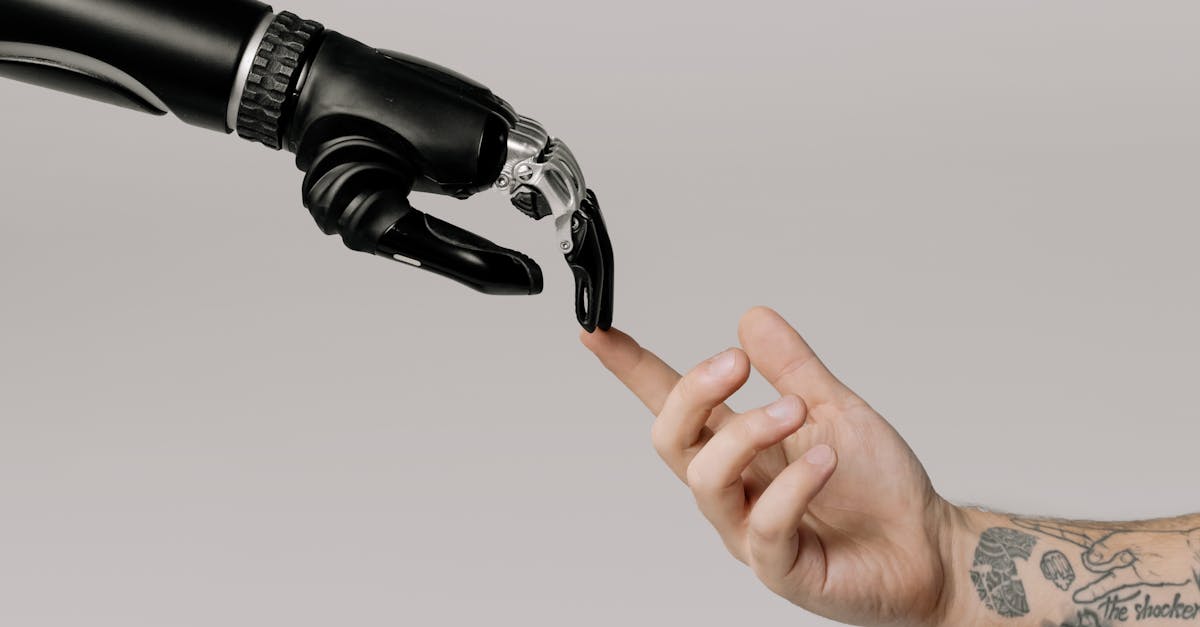
Life science CEOs rank Internet of Medical Things above AI as the primary growth driver.
The Internet of Medical Things (IoMT) has emerged as the top growth driver among life science CEOs, surpassing artificial intelligence (AI) in strategic importance. This shift reflects the increasing reliance on interconnected medical devices and the vast potential they hold for transforming healthcare delivery.
IoMT's Growing Influence
IoMT encompasses a broad range of connected medical devices and applications that collect and transmit health data. This technology is revolutionizing patient care by enabling real-time monitoring and more personalized treatment plans. As healthcare systems globally strive for efficiency and improved patient outcomes, the demand for IoMT solutions is accelerating.
Industry leaders are recognizing the benefits of IoMT in enhancing operational efficiencies and reducing costs. Devices such as wearable health monitors, smart implants, and remote patient monitoring systems are increasingly integrated into healthcare infrastructures, providing continuous data streams that support proactive health management.
AI's Role Remains Significant
While AI has not lost its relevance, its position as the second-ranked growth driver indicates a nuanced shift in priorities. AI continues to support various aspects of life sciences, including drug discovery, diagnostic imaging, and personalized medicine. However, the immediate impact and scalability of IoMT solutions appear to have captured the attention of executives seeking more immediate returns on investment.
AI's capabilities in processing and analyzing large datasets remain invaluable, especially when combined with the data generated by IoMT devices. This synergy allows for more accurate predictions and insights, enhancing the overall value proposition of both technologies.
Future Outlook
The prioritization of IoMT over AI signals a strategic focus on technologies that directly influence patient care and operational management. As IoMT continues to evolve, its integration with AI is expected to further enhance its capabilities, offering even greater potential for innovation in healthcare.
Life science companies are poised to invest heavily in IoMT infrastructure, aiming to harness its full potential. The ongoing development of secure, interoperable, and scalable IoMT solutions will be critical in overcoming current challenges and maximizing benefits.
As the healthcare landscape shifts towards more connected and data-driven approaches, the role of IoMT as a primary growth driver is likely to strengthen, paving the way for a new era of medical technology advancements.