
Integrative Healthcare: Transforming India's Medical Landscape
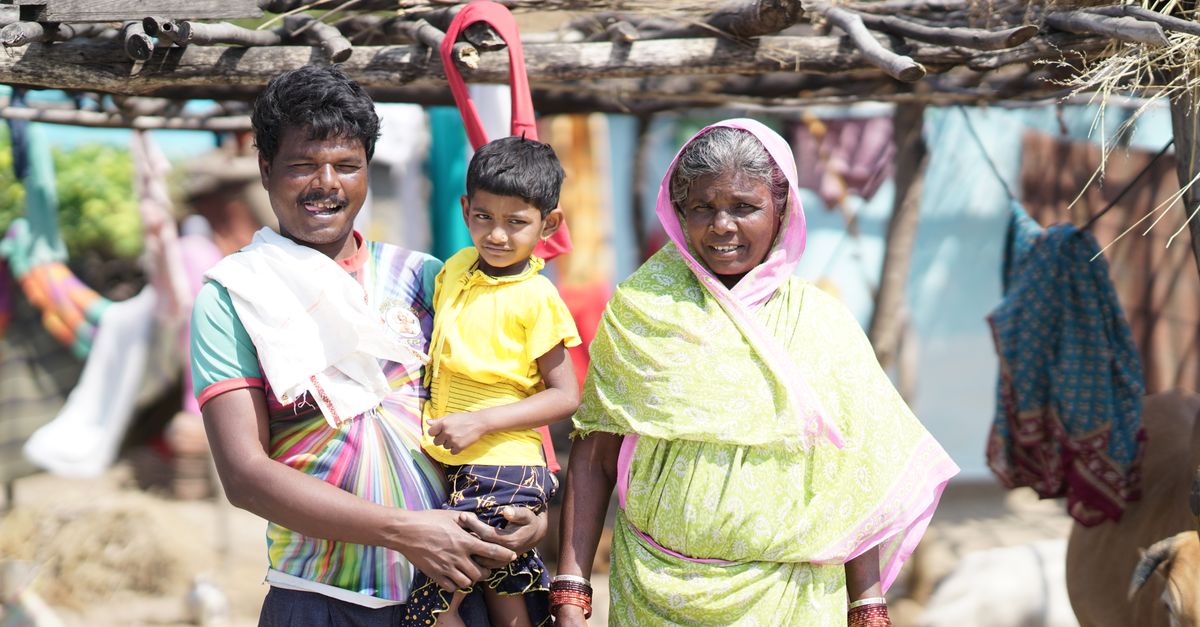
Integrative healthcare in India is blending traditional and modern practices, reshaping patient care and medical education.
In India, where Ayurveda, yoga, and other traditional practices have coexisted with modern medicine for centuries, integrative healthcare is not just a trend—it's a cultural evolution. This approach, which combines conventional Western medical practices with alternative therapies, is gaining traction as patients seek holistic solutions for their health concerns.
Blending Traditional and Modern Practices
The Indian healthcare ecosystem is uniquely positioned to embrace integrative medicine. With a rich heritage of alternative therapies like Ayurveda, homeopathy, and naturopathy, India provides fertile ground for blending these with allopathic treatments. The aim is to offer comprehensive care that addresses the physical, mental, and spiritual needs of patients.
Institutions like the All India Institute of Medical Sciences (AIIMS) and Banaras Hindu University (BHU) have been pivotal in this integration. They have established departments dedicated to research and education in integrative medicine, promoting a balanced approach to patient care.
Patient-Centric Care: A Growing Demand
Patients in India are increasingly leaning towards integrative healthcare due to its personalized approach. Unlike conventional medicine, which often focuses on treating symptoms, integrative medicine aims to identify and address the root causes of illness. This holistic approach has shown promise in managing chronic conditions such as diabetes, hypertension, and depression.
For instance, a study conducted by the Ministry of AYUSH in collaboration with the World Health Organization (WHO) demonstrated that integrating yoga and Ayurveda with conventional diabetes management led to better glycemic control and reduced medication dependency for patients.
The Role of Government and Policy
The Indian government has recognized the potential of integrative healthcare and has been actively promoting it through policy initiatives. The Ministry of AYUSH, established in 2014, is dedicated to developing education and research in indigenous systems of medicine. This ministry has been instrumental in setting up integrative healthcare centers across the country, fostering collaborations between traditional and modern practitioners.
Additionally, the National Health Policy 2017 includes provisions to integrate AYUSH services into the public health system, ensuring that these therapies are accessible to a broader population. This policy is a significant step towards making integrative healthcare a mainstream practice in India.
Challenges and Criticisms
Despite its growing popularity, integrative healthcare in India faces several challenges. One of the primary concerns is the regulation and standardization of alternative therapies. Unlike allopathic medicine, which follows stringent protocols, many alternative practices lack standardized treatment guidelines, leading to variability in patient outcomes.
Moreover, there is a need for more rigorous scientific validation of these therapies. Critics argue that without evidence-based research, the efficacy of many alternative treatments remains questionable. To address this, the government and academic institutions are investing in clinical trials and studies to build a robust evidence base for integrative practices.
Looking Ahead: Education and Awareness
For integrative healthcare to truly transform India's medical landscape, education and awareness are crucial. Medical schools are beginning to incorporate integrative medicine into their curricula, training future doctors in both conventional and alternative therapies. This educational shift is essential to prepare healthcare professionals who can deliver holistic and effective patient care.
The success of integrative healthcare in India will depend on continued collaboration between practitioners, policymakers, and patients. As these diverse medical traditions continue to merge, India is poised to set an example for the global healthcare community. "Integrative healthcare is not just about blending systems," says Dr. Rajesh Kotecha, Secretary of the Ministry of AYUSH, "it's about creating a new paradigm of care that respects the wisdom of the past while embracing the innovations of the future."