
Inside the Modern Operating Room: Technology Transforming Surgery
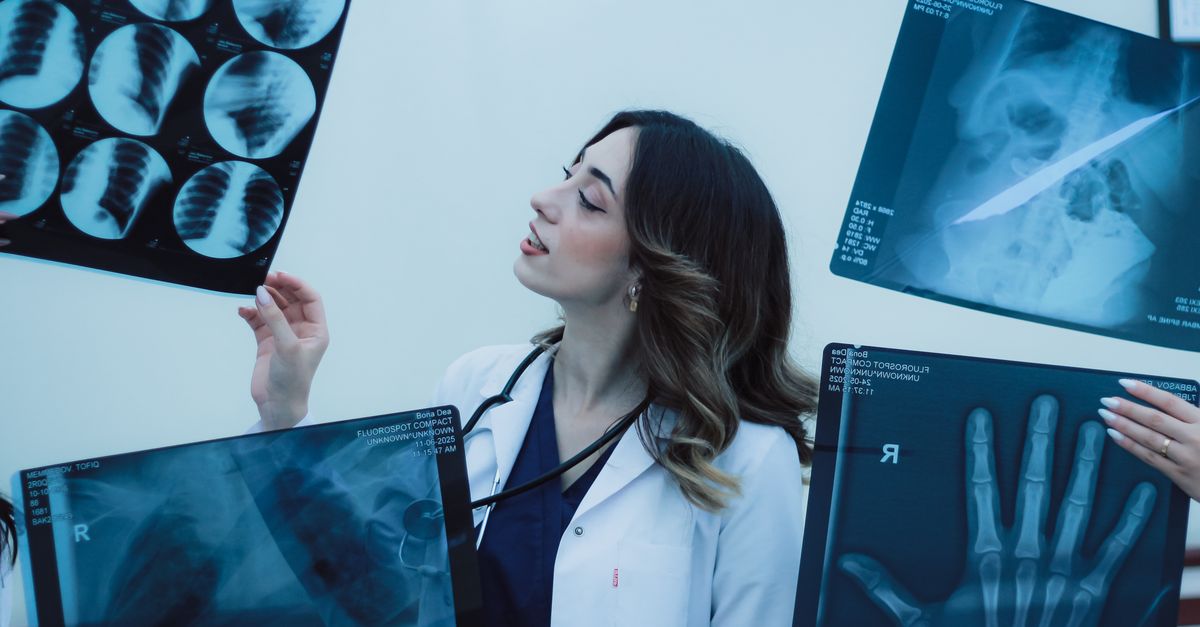
Explore how cutting-edge technology is revolutionizing modern operating rooms, enhancing surgical precision, and improving patient outcomes.
The evolution of operating rooms over the past few decades has been nothing short of revolutionary. Today, modern operating rooms are equipped with advanced technologies that not only enhance surgical precision but also improve patient outcomes. This transformation is largely due to the integration of sophisticated machines and digital tools that have redefined what is possible in surgery.
Robots Revolutionizing Surgery
One of the most significant technological advancements in the operating room is the introduction of robotic systems. Surgical robots, such as the da Vinci Surgical System, have become increasingly common in hospitals worldwide. These robots allow surgeons to perform minimally invasive procedures with greater precision and control. By using robotic arms controlled by a surgeon at a console, operations that once required large incisions can now be completed with just a few small cuts. This reduces recovery time, minimizes scarring, and decreases the risk of infection.
Robotic surgery is particularly beneficial in complex procedures such as prostatectomies, heart valve repairs, and bariatric surgeries. The enhanced dexterity and 3D visualization provided by these systems allow for movements that would be impossible with the human hand alone. As technology advances, we can expect robotic systems to become even more integral to surgical procedures, potentially leading to fully automated surgeries in the future.
Imaging Technologies Enhancing Precision
Imaging technology has also seen remarkable advancements, contributing significantly to the precision of surgical procedures. Traditional X-rays and CT scans have been supplemented by high-resolution MRI and PET scans, providing detailed images of the body's internal structures. Intraoperative imaging, which allows surgeons to obtain real-time images during a procedure, has further enhanced surgical accuracy.
For instance, intraoperative MRI is used in brain surgeries to ensure that tumors are completely removed while preserving surrounding healthy tissue. Similarly, intraoperative CT scans are utilized in spinal surgeries to verify the placement of implants. These technologies not only improve surgical outcomes but also reduce the likelihood of repeat surgeries.
Augmented Reality in Surgery
Augmented reality (AR) is making its way into operating rooms, providing surgeons with enhanced visualizations of the surgical site. AR overlays digital information onto the real world, which can be particularly useful in complex surgeries where a clear view of underlying structures is crucial.
With AR glasses or headsets, surgeons can view 3D models of a patient's anatomy superimposed onto their body. This technology aids in planning the surgical approach and navigating through difficult areas. Moreover, AR can be used for educational purposes, offering medical students and trainees a chance to experience surgeries in a virtual environment before stepping into the operating room.
Artificial Intelligence and Data Analytics
Artificial intelligence (AI) and data analytics are transforming the way surgeries are planned and executed. AI algorithms can analyze vast amounts of data to assist in pre-operative planning, identifying potential complications, and predicting patient outcomes. Machine learning models are being developed to help surgeons make informed decisions based on historical data and real-time information.
For example, AI is used in predictive analytics to forecast patient recovery times and personalize post-operative care plans. Furthermore, AI-powered tools are being developed to provide real-time feedback during surgeries, such as identifying critical anatomical structures or suggesting optimal surgical paths.
The Future of Operating Rooms
As technology continues to advance, the operating rooms of the future will likely be even more sophisticated. The integration of 5G technology will enable faster data transfer and more reliable connectivity, facilitating remote surgeries and telemedicine. Additionally, the continued development of AI and machine learning will bring about further innovations in surgical techniques and patient care.
In conclusion, the modern operating room is a testament to the power of technological innovation in healthcare. From robotic systems to augmented reality, these advancements are not only transforming the way surgeries are performed but also improving patient safety and outcomes. As we look to the future, it is clear that technology will continue to play a crucial role in shaping the landscape of surgical care.