
Innovative Transistor Design Enhances Wearable E-Skin Precision
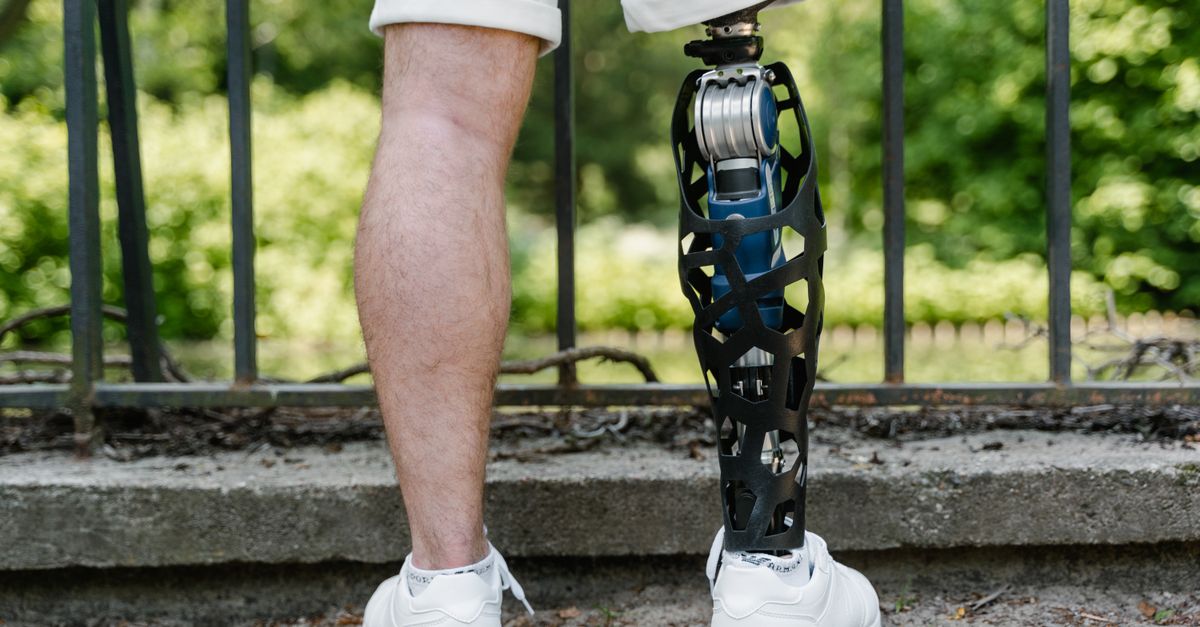
Researchers unveil a new transistor design that boosts the accuracy of wearable electronic skin, promising advancements in health monitoring technologies.
Scientists have developed a groundbreaking transistor design that significantly enhances the precision of wearable electronic skin, a technology poised to revolutionize health monitoring. This advancement could lead to more accurate data collection for various applications, including medical diagnostics and human-machine interfaces.
Breakthrough in Transistor Technology
The new design involves a novel approach that improves the sensitivity and accuracy of the sensors embedded within electronic skin. Researchers focused on optimizing the electrical properties of transistors, which are crucial components in the function of these wearable devices. By refining the transistor's structure, the team achieved a higher level of precision in detecting subtle physiological changes.
This improved sensitivity is essential for applications that require real-time monitoring of vital signs, such as heart rate and temperature. The enhanced accuracy can lead to earlier detection of health issues, potentially improving patient outcomes.
Implications for Healthcare and Beyond
The implications of this technology extend beyond healthcare. Wearable electronic skin can be used in various fields, including sports, robotics, and virtual reality. In sports, athletes can benefit from precise monitoring of their physical condition, enabling tailored training programs. In robotics, electronic skin can enhance the interaction between humans and machines, making robots more responsive to human touch.
Moreover, the integration of this advanced electronic skin into virtual reality systems could provide users with a more immersive experience, as the technology can mimic the sensation of touch, adding a new dimension to virtual environments.
Future Prospects and Challenges
While the new transistor design marks a significant step forward, challenges remain in the widespread adoption of wearable electronic skin. Researchers must address issues related to durability, cost, and power consumption to make the technology viable for everyday use. Efforts are underway to develop materials that are both flexible and resilient, ensuring the devices can withstand the rigors of daily wear.
The successful commercialization of this technology could transform not only healthcare but also numerous other industries. As research continues, the potential applications of electronic skin are vast, promising a future where wearable technology seamlessly integrates into daily life.