
Innovative Systems Biology Tackles Neonatal Sepsis Challenges
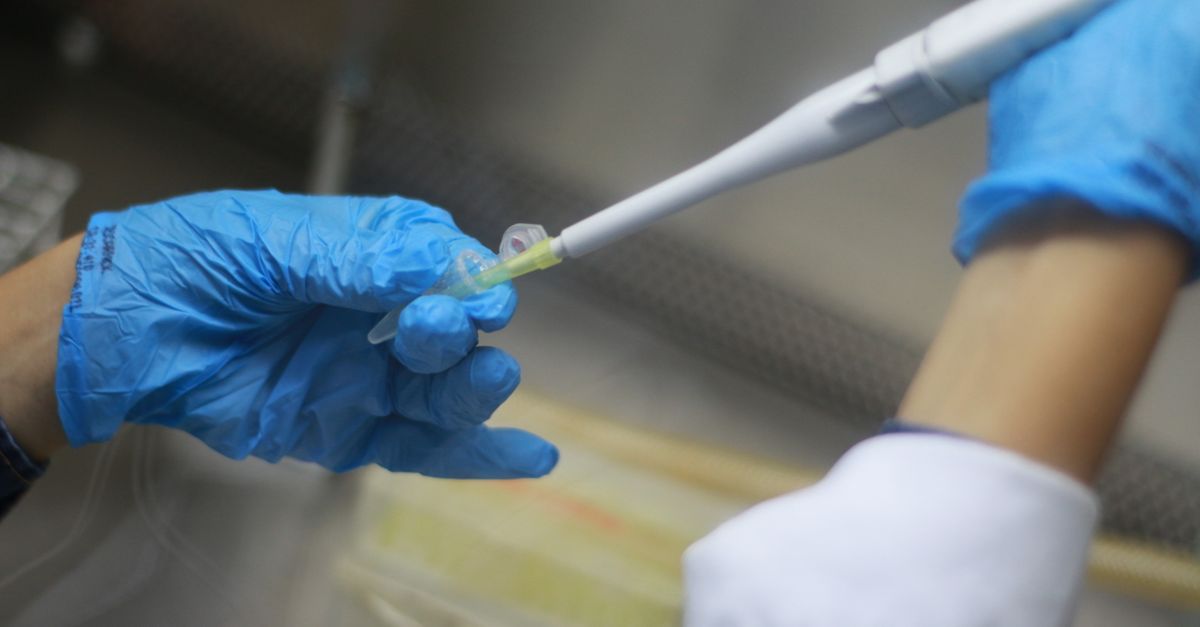
Systems biology is advancing neonatal sepsis research, offering new diagnostic and therapeutic avenues.
Neonatal sepsis remains a significant challenge in pediatric healthcare, with high mortality rates and complex treatment requirements. Recent advancements in systems biology provide promising avenues for improving diagnostics and therapeutics in this critical area.
Understanding Neonatal Sepsis Through Systems Biology
Systems biology offers a holistic approach to understanding the intricate biological processes involved in neonatal sepsis. By integrating data from genomics, proteomics, and metabolomics, researchers aim to unravel the complex interactions within a newborn's immune system. This comprehensive view helps in identifying biomarkers and potential therapeutic targets.
Neonatal sepsis is notoriously difficult to diagnose due to its non-specific symptoms and rapid progression. Traditional diagnostic methods often fall short, leading to delays in treatment. Systems biology could revolutionize this process by providing more accurate and faster diagnostic tools, potentially reducing the time to intervention and improving outcomes.
Advancements in Precision Diagnostics
Precision diagnostics, driven by systems biology, are set to transform how neonatal sepsis is detected. By leveraging large datasets and advanced computational models, researchers can pinpoint specific biomarkers associated with sepsis. This targeted approach not only enhances diagnostic accuracy but also reduces the risk of unnecessary antibiotic use, which is critical in managing antibiotic resistance.
For instance, recent studies have identified novel genetic markers that could indicate a predisposition to sepsis in neonates. These findings pave the way for early screening and personalized treatment plans, tailored to the individual needs of each newborn.
Potential Therapeutic Developments
Beyond diagnostics, systems biology is also influencing the development of new treatments for neonatal sepsis. By understanding the pathways and mechanisms involved in the body's response to infection, researchers can identify new drug targets. This approach has already led to the exploration of innovative therapies that could modulate the immune response more effectively.
Moreover, systems biology facilitates the repurposing of existing drugs for sepsis treatment. By analyzing how these drugs interact with specific biological pathways, scientists can discover new applications, potentially speeding up the availability of effective treatments.
The integration of systems biology into neonatal sepsis research holds the promise of not only saving lives but also improving the quality of life for survivors. As research progresses, the hope is that these advancements will lead to a reduction in the global burden of neonatal sepsis.
While challenges remain, particularly in the translation of research findings into clinical practice, the potential benefits are significant. Continued investment in systems biology research and collaboration across disciplines will be essential to fully realize these opportunities.