
Innovative Strategies Boosting Patient Safety in US Hospitals
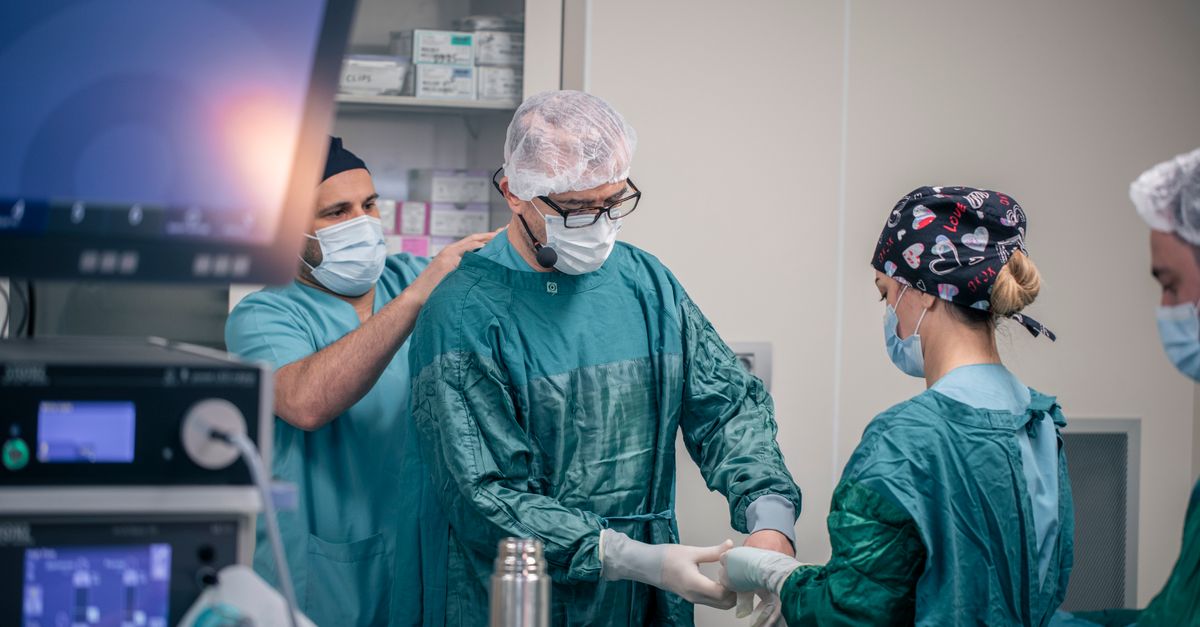
US hospitals are leveraging technology and policy changes to significantly enhance patient safety measures.
The landscape of patient safety in American hospitals is undergoing a transformative shift, driven by a combination of technological advancements and strategic policy implementations. As healthcare providers strive to reduce errors and improve outcomes, hospitals across the United States are adopting a suite of innovative approaches designed to safeguard patients more effectively.
Adopting Technologies for Error Prevention
One of the most significant trends reshaping patient safety is the adoption of advanced technologies. Electronic Health Records (EHRs) have become ubiquitous across hospitals, facilitating better coordination and reducing the likelihood of errors stemming from miscommunication. By 2023, over 96% of hospitals have implemented EHR systems, according to the Office of the National Coordinator for Health Information Technology.
Additionally, the integration of Artificial Intelligence (AI) in healthcare settings is proving invaluable. AI algorithms assist in predicting adverse events, such as sepsis or heart failure, enabling clinicians to intervene earlier. A study published in the Journal of the American Medical Association demonstrated that AI can predict severe complications with an accuracy rate exceeding 85%, underscoring its potential in enhancing patient outcomes.
Strengthening Policies and Standards
On the regulatory front, the Centers for Medicare & Medicaid Services (CMS) have been pivotal in setting benchmarks for patient safety. The introduction of the Hospital-Acquired Condition (HAC) Reduction Program incentivizes hospitals to decrease rates of infection and surgical complications. Hospitals that fall short face reduced Medicare reimbursements, which has spurred efforts to adhere to best practices.
Moreover, the Joint Commission, an independent, non-profit organization, continues to refine its accreditation standards, emphasizing the importance of error reporting and root cause analysis. This has led to a culture shift within hospitals, where transparency and continuous improvement are prioritized.
Engaging Patients as Safety Partners
Patient engagement is another critical component of the safety paradigm. Hospitals are increasingly encouraging patients to participate actively in their care, recognizing that informed patients are essential to preventing errors. Initiatives such as the Agency for Healthcare Research and Quality’s (AHRQ) “Questions Are the Answer” campaign empower patients to ask questions and understand their treatments better.
Patient portals have also become a standard feature, allowing individuals to access their medical records, appointment schedules, and test results. As of 2023, over 60% of patients report using online portals, fostering a more informed and involved patient population.
Training and Development Initiatives
Continuous education and training for healthcare professionals remain crucial in maintaining high safety standards. Simulation-based training is gaining traction, providing clinicians with the opportunity to practice and refine their skills in a controlled environment. These simulations help reduce human errors in high-stakes scenarios, such as emergency surgeries or critical care interventions.
Furthermore, interdisciplinary team training programs are being expanded. By fostering teamwork and communication among diverse healthcare providers, hospitals aim to create a more cohesive care environment, which is less prone to errors.
Looking Ahead: A Safer Healthcare Environment
The commitment to patient safety in US hospitals is evident in the array of strategies being employed. As technology continues to evolve and policies are fine-tuned, the potential for reducing medical errors and enhancing patient outcomes grows. Hospitals are not only focusing on corrective measures but are also proactively anticipating potential risks.
Dr. Jane Smith, a leading expert in healthcare safety, remarked, “The future of patient safety lies in leveraging technology, empowering patients, and fostering a culture of transparency and learning.” Her words encapsulate the forward momentum driving the ongoing improvements in patient safety across American hospitals.