
Innovative CT Scanning of a 400-Pound Crocodile Revealed
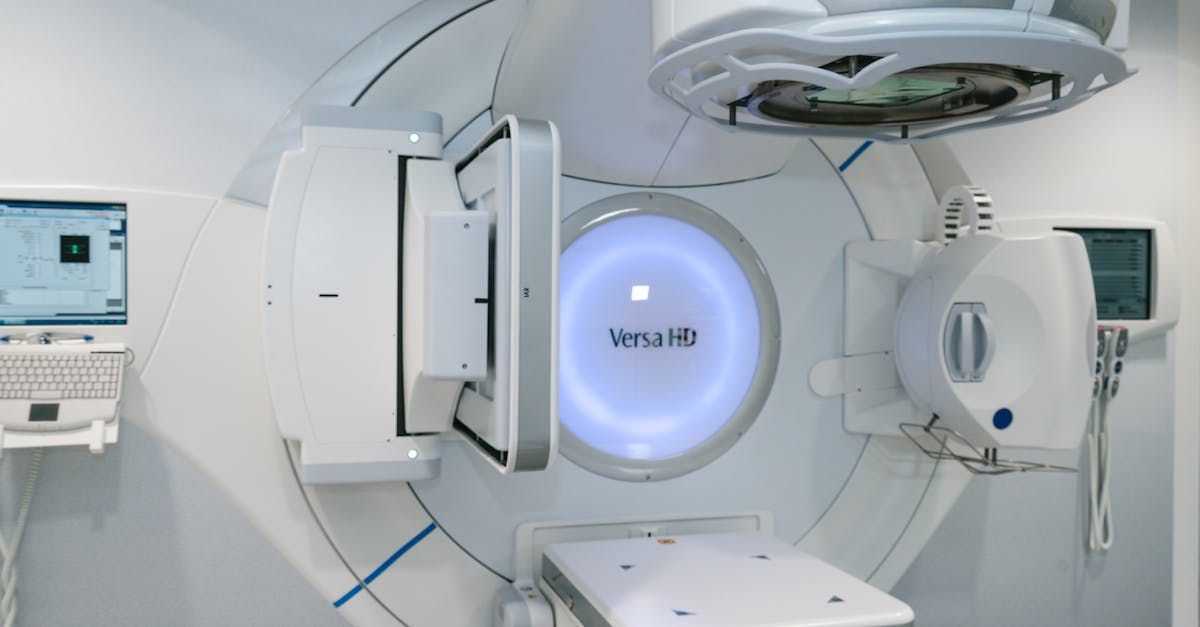
A 400-pound crocodile undergoes a CT scan, showcasing unique veterinary challenges and solutions.
In an extraordinary veterinary procedure, a 400-pound crocodile was successfully CT scanned, offering a rare glimpse into the complexities of imaging such large reptiles. This endeavor was undertaken at the University of Florida College of Veterinary Medicine, where a team of experts worked meticulously to ensure the safety and comfort of both the animal and the staff involved.
Preparing for the Unusual Procedure
Scanning a creature of this size and nature posed unique challenges. The first hurdle was safely sedating the crocodile to minimize stress and movement during the scan. Veterinary anesthesiologist Dr. Julie Levy explained the intricacies involved, noting that the dosage and type of anesthesia must be carefully calculated to avoid complications.
Once sedated, the crocodile was carefully transported to the CT scanner. This required specialized equipment and a coordinated team effort to prevent any injury to the animal or the handlers. The CT scanner, typically used for smaller animals, had to be adjusted to accommodate the crocodile's size and weight. The team worked diligently to ensure the scanner's settings were optimized for capturing detailed images of the reptile's internal structure.
Insights Gained from the CT Scan
The procedure provided valuable insights into the crocodile's health, revealing details that could not be observed through traditional examination methods. CT scans allow veterinarians to view cross-sectional images of the animal's body, helping diagnose potential issues such as skeletal abnormalities, internal injuries, or diseases.
Dr. Levy emphasized the importance of such technology in advancing veterinary care for exotic animals. She noted that access to detailed imaging can significantly enhance the ability to treat and manage health conditions that might otherwise go undetected.
Implications for Veterinary Medicine
This groundbreaking procedure highlights the growing intersection of advanced technology and veterinary medicine. As imaging techniques continue to evolve, they offer new opportunities for diagnosing and treating a wide array of species, from domestic pets to exotic wildlife.
Veterinary professionals are increasingly turning to such technologies to improve outcomes and expand the scope of care they can provide. This case serves as a testament to the potential of CT scanning and similar tools in enhancing our understanding of animal health and welfare.
As the field continues to innovate, the successful scanning of a 400-pound crocodile stands as a milestone, paving the way for future advancements in veterinary imaging and treatment.