
Innovative Biosensor Transforms Molecular Signals into Visual Data
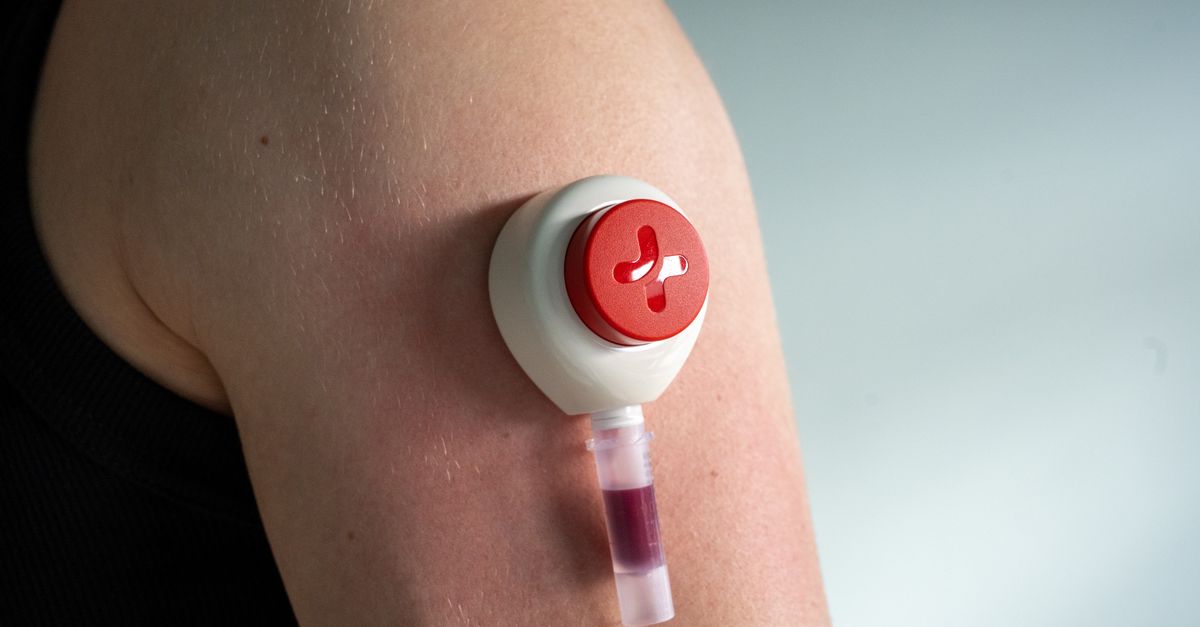
A new biosensor converts molecular signals into images, eliminating the need for traditional spectrometers.
In a breakthrough for diagnostic technology, researchers have developed a portable metasurface biosensor capable of converting molecular signals directly into images. This innovation could significantly streamline the process of molecular analysis by removing the need for conventional spectrometers, which are typically bulky and costly.
A Leap in Diagnostic Technology
The new biosensor utilizes a specially designed metasurface, a type of engineered surface with unique optical properties, to capture and transform molecular signals into visual data. This process allows for a more straightforward interpretation of results, potentially accelerating the speed of diagnostics in clinical settings.
Traditional spectrometry involves analyzing light spectra to identify molecular compositions, which can be complex and time-consuming. By bypassing this step, the metasurface biosensor offers a more direct and efficient method of analysis.
Potential Applications and Impact
This technology could have wide-reaching applications in various fields, including medical diagnostics, environmental monitoring, and biosecurity. The ease of use and portability of the device may enable on-site testing in remote or resource-limited areas, providing faster access to crucial diagnostic information.
Furthermore, the ability to visualize molecular interactions in real-time could enhance the accuracy and reliability of diagnostic tests, leading to better patient outcomes. Researchers are optimistic that this innovation will inspire further advancements in biosensor technology.
Future Prospects for Biosensor Technology
While still in the early stages of development, the potential for this biosensor to revolutionize molecular diagnostics is significant. Ongoing research aims to refine the technology, improving its sensitivity and expanding its range of detectable molecules.
The introduction of such advanced diagnostic tools underscores the importance of continued investment in biosensor research and development. As the technology matures, it is anticipated to become an integral part of modern diagnostic practices, offering a faster, more accessible alternative to traditional methods.