
Innovative Bioresorbable Implants Use Nanoscale Iridophosphors
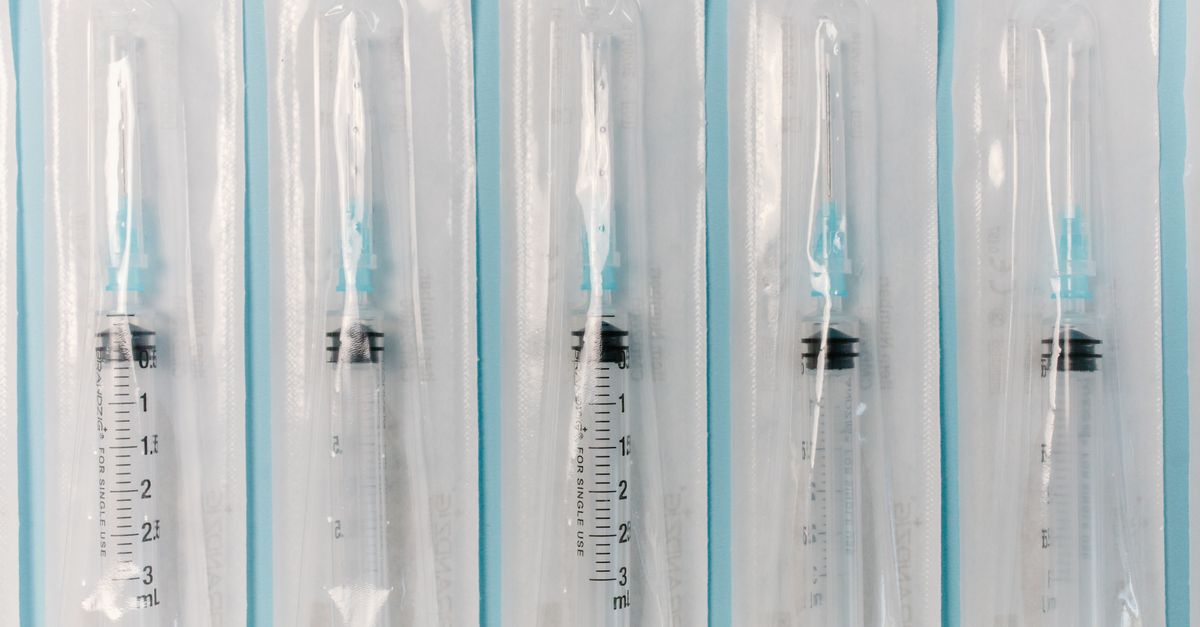
Researchers develop bioresorbable implants with nanoscale iridophosphors, enhancing medical monitoring.
In a groundbreaking development, scientists have created bioresorbable implants using nanoscale iridophosphors, offering a new frontier in medical monitoring technology. The study, published in Nature, reveals how these implants combine triboelectric nanogenerators with optical readability, presenting a unique method for tracking health metrics in a minimally invasive manner.
Revolutionizing Medical Implants
The new implants are designed to dissolve in the body after use, eliminating the need for surgical removal and reducing the risk of complications. The key innovation lies in the incorporation of nanoscale iridophosphors, which enable the implants to be optically readable. This feature allows for real-time monitoring of physiological parameters, such as pressure and motion, through external devices.
Triboelectric nanogenerators (TENGs) are central to this technology. They generate electricity through the simple act of motion, such as the body's natural movements, and can power the implant's sensing capabilities. The integration of TENGs with iridophosphors not only supports self-sustaining operation but also enhances the sensitivity and specificity of the data collected.
Potential Applications and Benefits
These bioresorbable implants hold significant potential for various medical applications, including postoperative monitoring, chronic disease management, and personalized medicine. By providing continuous data without the need for invasive procedures, they can significantly improve patient comfort and outcomes.
Moreover, the implants' ability to dissolve safely within the body addresses a major concern with traditional implants, which often require additional surgeries for removal. This feature not only improves patient safety but also reduces healthcare costs associated with implant removal and related complications.
Future Research Directions
While the initial results are promising, further research is necessary to optimize the performance and expand the applications of these implants. Researchers are exploring ways to enhance the durability and functionality of the iridophosphors, as well as investigating potential uses in varied medical contexts.
As the field of bioresorbable technology continues to evolve, innovations like this could redefine how medical professionals monitor and treat patients, paving the way for more efficient and patient-friendly healthcare solutions.