
How Innovations Are Transforming Intensive Care Units
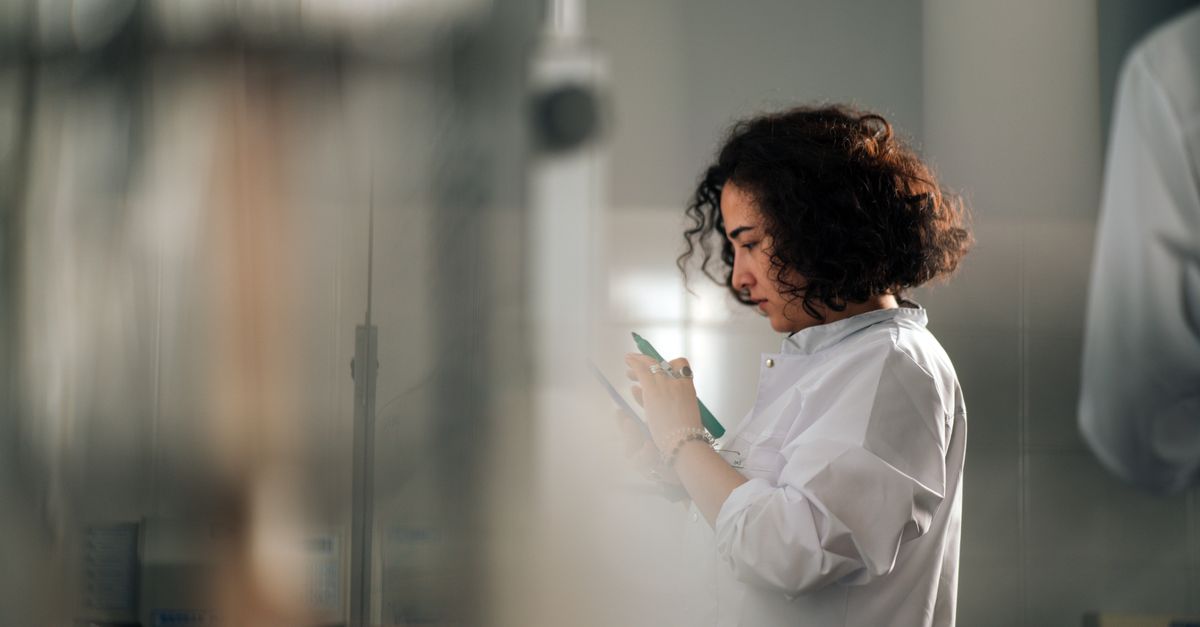
From AI monitoring to telemedicine, ICU innovations are reshaping patient care and outcomes.
In the high-stakes environment of Intensive Care Units (ICUs), technological advancements are redefining how critical care is delivered. With the integration of artificial intelligence, telemedicine, and robotic assistance, ICUs are not only enhancing patient outcomes but also optimizing the workflow for healthcare professionals.
Artificial Intelligence: The New Eye in ICUs
AI technology is emerging as a crucial tool in ICUs, providing real-time monitoring and predictive analytics. Institutions like the Mayo Clinic have pioneered AI systems that can predict patient deterioration even before symptoms become apparent. These systems analyze vast amounts of data from monitors, electronic health records, and even wearable devices to alert medical staff of potential issues, allowing for preemptive interventions.
For instance, the University of California, San Francisco (UCSF) has implemented an AI-driven platform that continuously analyzes patient data to detect early signs of sepsis. This not only improves survival rates but also significantly reduces the duration of ICU stays.
Telemedicine: Breaking Down Barriers
Telemedicine is rapidly gaining traction in ICUs, offering a solution to the shortage of intensivists and specialized personnel. Remote ICU monitoring programs, or tele-ICUs, connect local hospitals with critical care specialists from larger medical centers. This model is particularly beneficial in rural and underserved areas, ensuring that even patients in remote locations have access to expert care.
A successful example of tele-ICU implementation can be seen in the Cleveland Clinic's eHospital, which provides round-the-clock monitoring by critical care specialists for multiple hospitals across several states. This network has been credited with reducing mortality rates and improving patient outcomes by enabling immediate consultations and interventions.
Robotic Assistance: Enhancing Human Efforts
Robotic technology is not just a futuristic concept but a practical tool currently aiding ICUs. Robots are being used to perform routine tasks, such as cleaning and delivering supplies, thus reducing the risk of infection and freeing up healthcare workers to focus on more complex patient care.
More advanced applications include robotic surgery aids that assist surgeons with precision tasks. These robotic systems offer a level of steadiness and accuracy that human hands might struggle to achieve, thereby improving surgical outcomes and reducing recovery times.
Wearable Technology: Continuous Patient Monitoring
Wearable devices are another area of innovation in ICUs, providing continuous monitoring of vital signs without the need for cumbersome equipment. Devices like smartwatches and biosensors collect data such as heart rate, oxygen levels, and movement, which are then transmitted to central monitoring systems.
These wearables have proven particularly useful in tracking patient progress in real-time, allowing for immediate adjustments in care. This innovation not only enhances patient comfort but also empowers medical teams with invaluable insights into patient health dynamics.
The Road Ahead: Challenges and Opportunities
Despite these advancements, integrating new technologies into ICUs comes with challenges. The high cost of implementation, data privacy concerns, and the need for specialized training can hinder widespread adoption. However, the potential benefits—such as enhanced patient care, reduced healthcare costs, and improved efficiency—offer compelling incentives for overcoming these hurdles.
As healthcare systems worldwide continue to grapple with the demands of critical care, the innovations in ICUs present a promising path forward. By leveraging advanced technologies, ICUs can transform into more efficient, responsive, and patient-centered environments.
“The future of ICUs lies in the seamless integration of technology and human expertise,” says Dr. Emily Tran, a critical care specialist at Johns Hopkins Hospital. “With ongoing innovations, we are not just treating patients; we are reimagining the possibilities of healthcare itself.”