
Innovations in Medical Science: Paving the Path for Healthy Aging
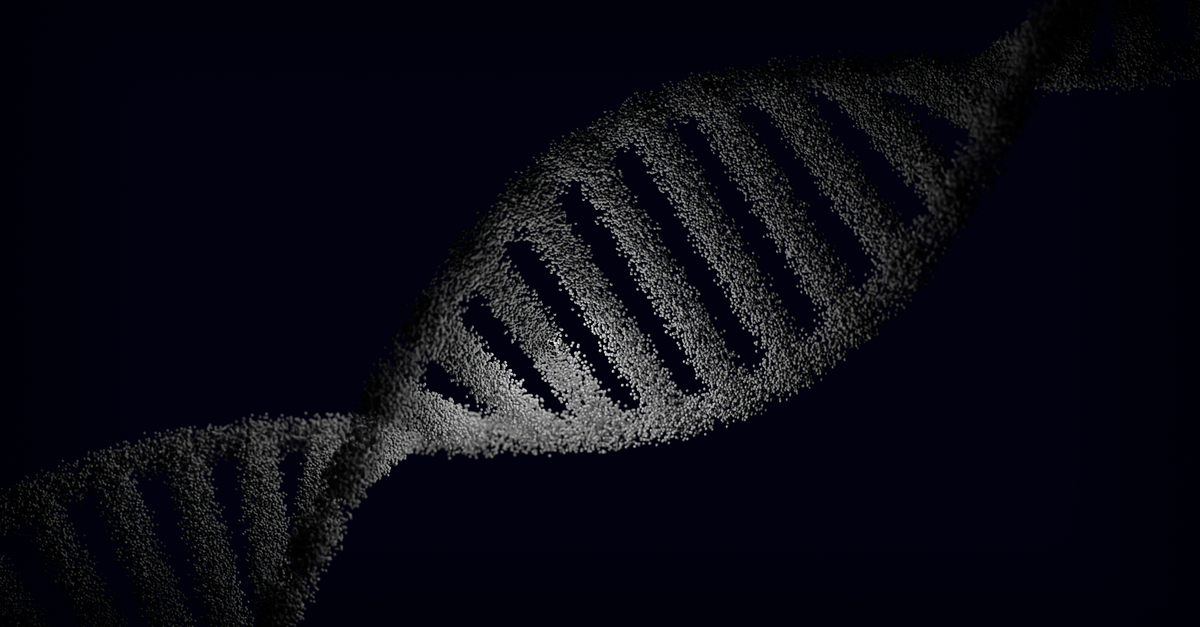
Advancements in medical technology are reshaping the possibilities of aging, offering new hope for longevity and quality of life.
In recent years, medical innovations have defied traditional expectations of aging, transforming it into a period of life marked not by decline, but by continued vitality and involvement. As the global population steadily ages, the healthcare industry is responding with groundbreaking approaches that promise not only to extend lifespan but to enhance the quality of those extra years.
Technological Breakthroughs in Gerontology
Gerontology, the study of aging and the problems associated with it, has seen remarkable advancements thanks to technology. One of the key areas of focus is the development of pharmaceuticals that target the biological processes of aging. Drugs such as Metformin, originally used for diabetes management, are being investigated for their potential to mimic calorie restriction, a known factor in extending lifespan.
Moreover, the emergence of senolytics—compounds that selectively clear senescent cells—offers another promising avenue. Senescent cells are known to contribute to aging and age-related diseases. By effectively removing these cells, senolytics have the potential to improve healthspan, the period during which an individual remains healthy and free from serious disease.
Wearable Tech: Monitoring Health in Real Time
Wearable technology has become a cornerstone of personalized health management for the elderly. Devices such as smartwatches and fitness trackers provide real-time monitoring of vital signs like heart rate, oxygen levels, and sleep patterns. This continuous data collection allows for proactive health management, enabling early detection of potential health issues before they evolve into critical conditions.
The incorporation of artificial intelligence in these devices enhances their capability by analyzing patterns and predicting potential health risks. For example, AI algorithms can alert users to irregular heart rhythms that could indicate atrial fibrillation, a condition that increases the risk of stroke.
Gene Editing: A New Frontier
In the realm of genetic research, CRISPR-Cas9 technology holds revolutionary potential for aging. By allowing precise edits to the genome, scientists are exploring ways to correct genetic mutations that cause age-related diseases. Although still in its infancy, this technology promises to tackle conditions such as Alzheimer's disease and certain genetic forms of cardiovascular disease.
The ethical considerations surrounding gene editing, however, are significant. While the possibility of eradicating genetic diseases is tempting, it raises questions about genetic modifications and the implications for future generations. These discussions are crucial as the technology progresses.
The Role of Diet and Lifestyle
While technological advancements are pivotal, the interplay of diet and lifestyle remains a fundamental aspect of healthy aging. Research continues to highlight the importance of a balanced diet rich in antioxidants, fibers, and healthy fats. The Mediterranean diet, in particular, is associated with reduced risks of chronic diseases and improved cognitive function in older adults.
Exercise, too, is a critical factor. Studies indicate that regular physical activity can reduce the risk of dementia by up to 30%. Programs tailored to the elderly, such as yoga and tai chi, offer benefits in balance, flexibility, and mental well-being, contributing to a comprehensive approach to aging healthily.
A Future of Possibilities
The horizon of medical innovations offers a promising future for aging populations. As these technologies continue to evolve, they present an opportunity to redefine what it means to age. According to Dr. Jane Smith, a leading gerontologist, "The future of aging is one where we not only add years to life but life to years." This vision of aging is not only about longevity but about enriching the human experience in the later years.
As the world grapples with the challenges and opportunities of an aging population, the role of medical innovation becomes ever more critical. With ongoing research and development, the potential to transform aging into a dynamic and fulfilling stage of life is more real than ever.