
Innovations in Cell Line Development Transform Biologics
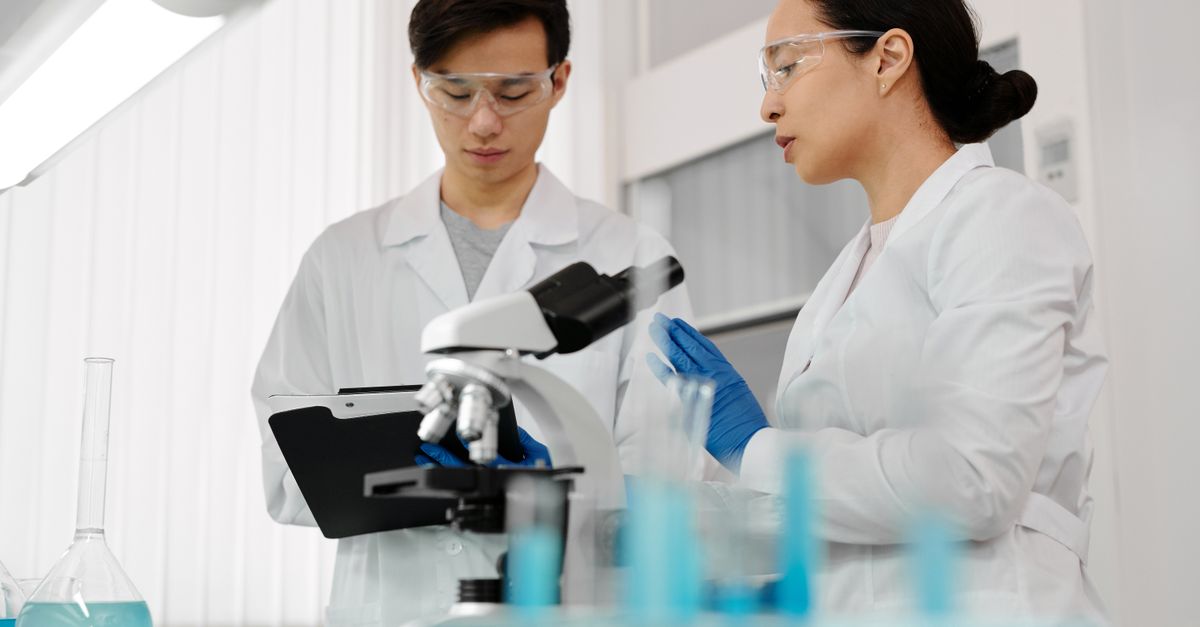
Advancements in cell line development are revolutionizing biologics and cell-based therapies, enhancing drug discovery and personalized medicine.
Advancements in cell line development are reshaping the landscape of biologics and cell-based therapies, offering new avenues for drug discovery and personalized medicine. As the demand for biologics increases, the need for reliable and efficient cell lines becomes ever more critical, driving innovation within the field.
Revolutionizing Biologics Production
Biologics, which include a wide range of products such as vaccines, blood components, and gene therapies, depend heavily on the development of robust cell lines. These cell lines act as factories for producing the complex molecules required in these therapies. Recent innovations have focused on increasing the efficiency and yield of these cell lines, reducing production costs and time.
One significant advancement is the use of CRISPR-Cas9 technology. This gene-editing tool has allowed researchers to make precise modifications to cell lines, optimizing them for specific production needs. By enhancing the stability and productivity of these cells, the industry is better equipped to meet the growing demand for biologics.
Cell-Based Therapies: A New Frontier
Cell-based therapies, which utilize living cells to treat or cure diseases, are another area experiencing rapid growth. The development of specialized cell lines is crucial for these therapies, as they must be tailored to address specific medical conditions. Innovations in this area are focused on improving the safety and efficacy of cell-based treatments.
Researchers are exploring the potential of induced pluripotent stem cells (iPSCs), which can be generated directly from adult cells. iPSCs offer the promise of creating patient-specific cell lines, paving the way for personalized therapies that reduce the risk of immune rejection. Additionally, automated systems for cell line development are being introduced to streamline the process and ensure consistency across batches.
Challenges and Future Directions
Despite the progress, challenges remain in the field of cell line development. Ensuring genetic stability and avoiding contamination are ongoing concerns that require constant vigilance. Regulatory hurdles also pose challenges, as the safety and efficacy of new cell lines must be thoroughly validated.
Looking ahead, the integration of artificial intelligence and machine learning in cell line development holds promise. These technologies can analyze vast datasets to predict the best conditions for cell line production, potentially accelerating the development process. As these tools become more sophisticated, they could further transform the landscape of biologics and cell-based therapies.
The continuous innovation in cell line development underscores its critical role in the advancement of modern medicine. By improving the efficiency and specificity of these lines, researchers are opening new possibilities for treating a wide array of diseases, ultimately enhancing patient outcomes.