
Industry Pushback: Medical Devices Misclassified in Draft Bill
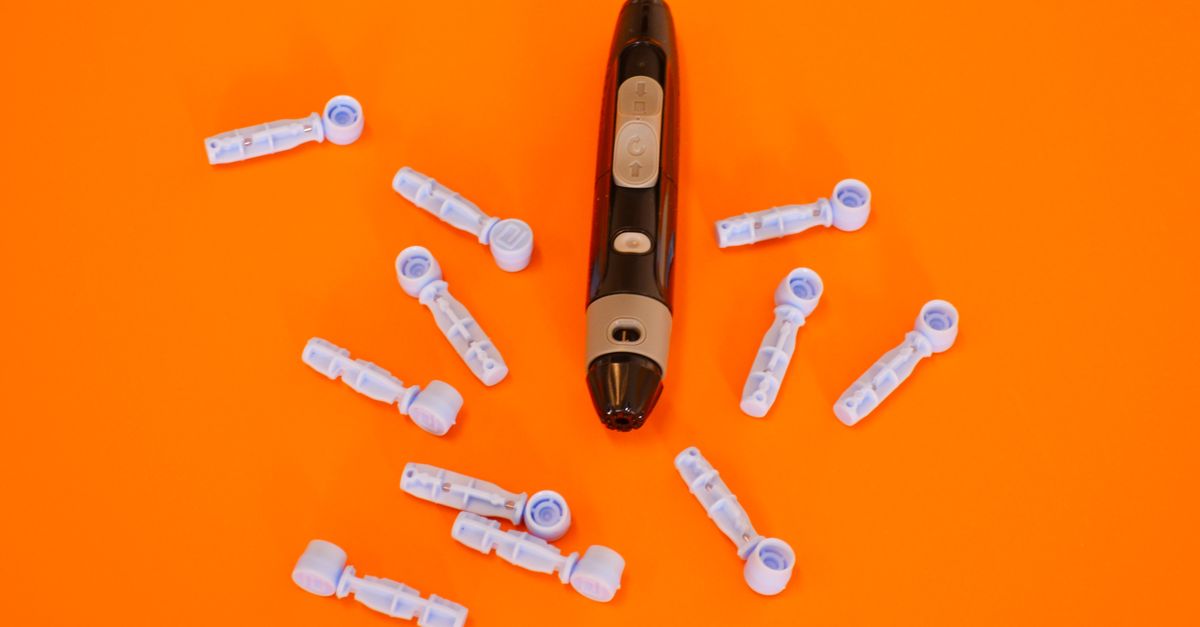
India's medical device sector opposes the 2026 draft bill, arguing it wrongly classifies devices as pharmaceuticals.
India's medical device industry is voicing strong opposition to the draft Drugs, Medical Devices and Cosmetics Bill, 2026, arguing that it misclassifies medical devices as pharmaceutical products. The sector, alongside healthcare providers and patient safety groups, fears that this classification could stifle innovation and investment in the industry.
Concerns Over Regulatory Approach
Industry representatives argue that the draft bill's approach, which includes imposing criminal penalties for regulatory violations, is more suited to pharmaceuticals than to medical devices. They caution that such measures could deter manufacturing and innovation, hindering India's ambitions to become a global leader in medical devices. The draft proposes penalties ranging from one to seven years of imprisonment for various regulatory infractions, including labelling errors and documentation lapses.
Engineering Products, Not Pharmaceuticals
The medical device sector maintains that these products are engineering solutions, distinct from pharmaceuticals, and should not be regulated under the same framework. The associations have highlighted that globally, medical devices are subject to risk-based assessments and quality management systems, rather than criminal penalties. This regulatory approach is consistent with practices in the EU, US, Japan, UK, and Australia.
Calls for Reconsideration
In a letter dated August 8, industry associations urged the Union Health Minister to reconsider the draft bill. They argue that the current language of the bill, which uses terms like "adulterated" and "spurious," is inappropriate for engineering products. The letter warns that maintaining a drug-centric regulatory framework could jeopardize India's medical devices sector's growth and its ability to compete on a global scale.
The draft bill is presently undergoing inter-ministerial consultations, and stakeholders hope their concerns will lead to a revised approach that acknowledges the unique nature of medical devices.