
Industry Challenges Draft Bill Treating Medical Devices as Pharmaceuticals
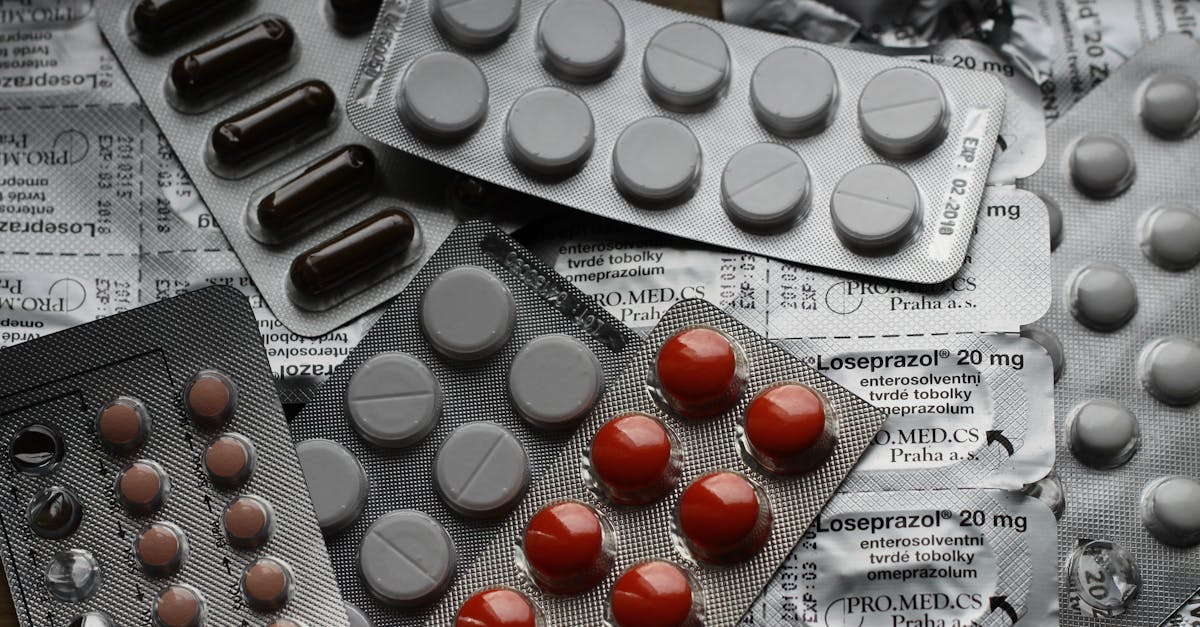
Medical device firms oppose a draft bill equating devices with drugs, citing risks to innovation.
India’s medical device industry is raising alarms over the proposed Drugs, Medical Devices and Cosmetics Bill, 2026, which seeks to regulate medical devices under the same framework as pharmaceuticals. Industry leaders and healthcare groups argue that this approach could stifle innovation and deter investment in the sector.
Concerns Over Regulatory Approach
The draft bill has sparked controversy by proposing criminal penalties for regulatory non-compliance, similar to those imposed on pharmaceutical companies. The medical device sector contends that such measures, including potential imprisonment for labeling errors and documentation lapses, do not align with the global regulatory standards seen in regions such as the EU, US, Japan, UK, and Australia. In these regions, administrative enforcement and risk-based assessments are the norm.
In a letter dated August 8, associations representing manufacturers and healthcare providers appealed to the Union health minister to reconsider the draft bill. They argue that it lacks the regulatory framework necessary for the medical devices sector to thrive and compete on a global scale. The letter highlights the fundamental differences between medical devices and pharmaceuticals, emphasizing that devices are engineering products that require distinct regulatory oversight.
Impact on Innovation and Investment
Industry stakeholders warn that the draft bill's approach could have far-reaching consequences for India's ambitions to become a global hub for medical devices. The imposition of pharma-style criminalization on engineering deviations could discourage both domestic and foreign investment, hindering the sector's growth and innovation potential.
The industry's concerns are compounded by the draft's use of drug-centric terminology, such as "adulterated," "spurious," and "misbranded," which they say is inappropriate for medical devices. Such language, coupled with the threat of severe penalties, could create a challenging environment for manufacturers.
Call for Risk-Based Regulation
The medical device industry advocates for a regulatory approach that aligns with international practices, emphasizing risk-based conformity assessments and quality management systems. These frameworks focus on ensuring device safety and efficacy without resorting to criminal penalties for administrative errors.
The draft bill is currently under review in inter-ministerial consultations, and the industry hopes for amendments that recognize the unique nature of medical devices. As the debate continues, stakeholders remain focused on ensuring that the regulatory environment supports, rather than hinders, the sector's growth and innovation.