
India's Public Health: Challenges and Opportunities in 2023
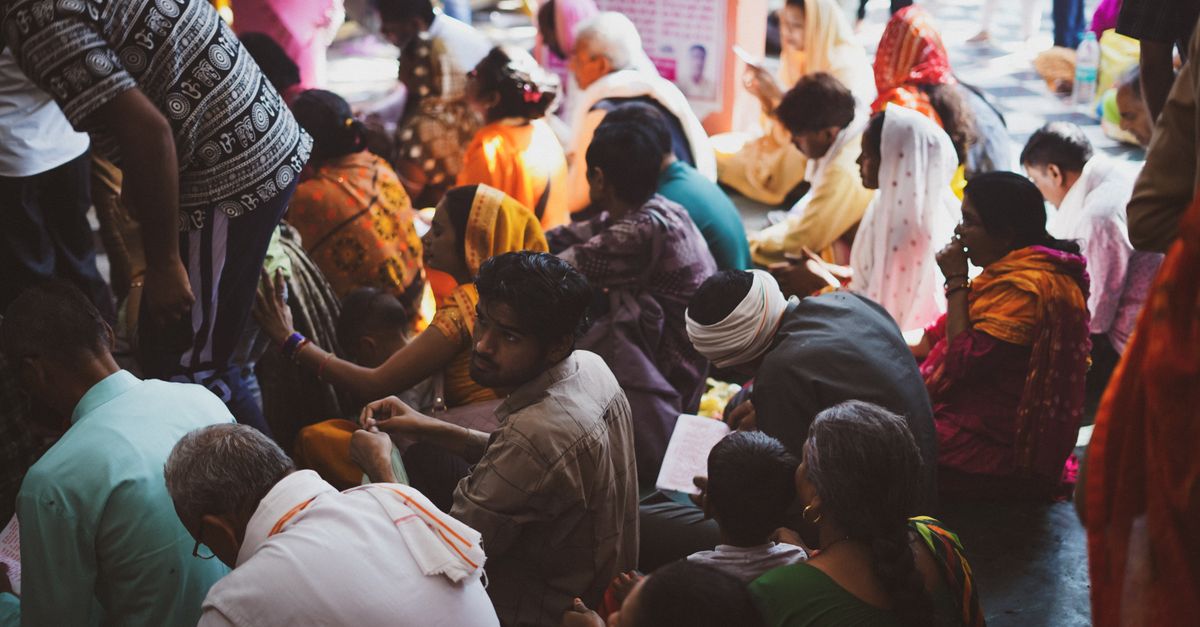
India's public health system grapples with infrastructure gaps and policy reforms amid rising challenges.
India, with its vast and diverse population, presents a complex landscape for public health. As of 2023, the country faces significant challenges in its healthcare infrastructure, policy implementation, and disease management. Despite commendable strides in certain areas, critical gaps remain that demand urgent attention.
Persistent Infrastructure Challenges
One of the most pressing issues in India’s public health system is the inadequacy of infrastructure. Rural areas, which house nearly 65% of the population, often lack basic healthcare facilities. According to recent government reports, there is a shortfall of over 80% in the required number of community health centers across these regions.
This scarcity is compounded by the uneven distribution of healthcare professionals. Urban centers attract more doctors and specialists, leaving rural areas with only 20% of the nation's healthcare workforce. This imbalance creates a cycle of inadequate care and rising morbidity in less accessible areas.
Policy Reforms and Implementation
India's government has rolled out ambitious health initiatives, including the Ayushman Bharat scheme, which aims to provide financial protection to over 500 million people. However, implementation hurdles and bureaucratic inefficiencies often dilute the impact of such policies. For example, funding allocations frequently fall short, and the integration of these schemes with existing state health policies remains inconsistent.
The National Health Policy of 2017 set a target to increase public health spending to 2.5% of GDP by 2025. Yet, as of 2023, spending hovers around 1.5%, reflecting a need for more robust financial commitment and prioritization of healthcare in national budgets.
The Dual Burden of Disease
India continues to grapple with a dual burden of communicable and non-communicable diseases. Infectious diseases like tuberculosis and malaria persist, with tuberculosis alone accounting for over 400,000 deaths annually. Concurrently, lifestyle diseases such as diabetes and hypertension are on the rise, driven by urbanization and changing dietary patterns.
The Indian healthcare system struggles to balance these competing priorities, often leading to resource allocation conflicts. The COVID-19 pandemic further exposed these vulnerabilities, straining an already overstretched system and highlighting the need for comprehensive pandemic preparedness strategies.
The Role of Technology in Healthcare
Technology is increasingly seen as a potential game-changer for India’s public health challenges. The rise of telemedicine and digital health platforms offers a way to bridge the urban-rural divide. Initiatives like the National Digital Health Mission aim to create a unified digital health infrastructure, improving access to healthcare records and services.
However, the digital divide remains a significant barrier. While urban areas benefit from high internet penetration, rural regions lag behind, necessitating efforts to enhance digital literacy and infrastructure to ensure equitable access to technology-driven healthcare solutions.
Looking Ahead: Opportunities for Improvement
Despite the hurdles, there are opportunities for progress. Leveraging public-private partnerships can enhance infrastructure development and service delivery. Additionally, fostering community-based healthcare models can empower local populations and provide culturally sensitive care solutions.
As India continues to evolve, the integration of advanced technologies, robust policy frameworks, and equitable resource distribution will be key to transforming its public health landscape. The coming years will require collaborative efforts across all sectors to ensure that healthcare in India becomes more inclusive and resilient.