
India's Overlooked Musculoskeletal Disorders: A Growing Concern
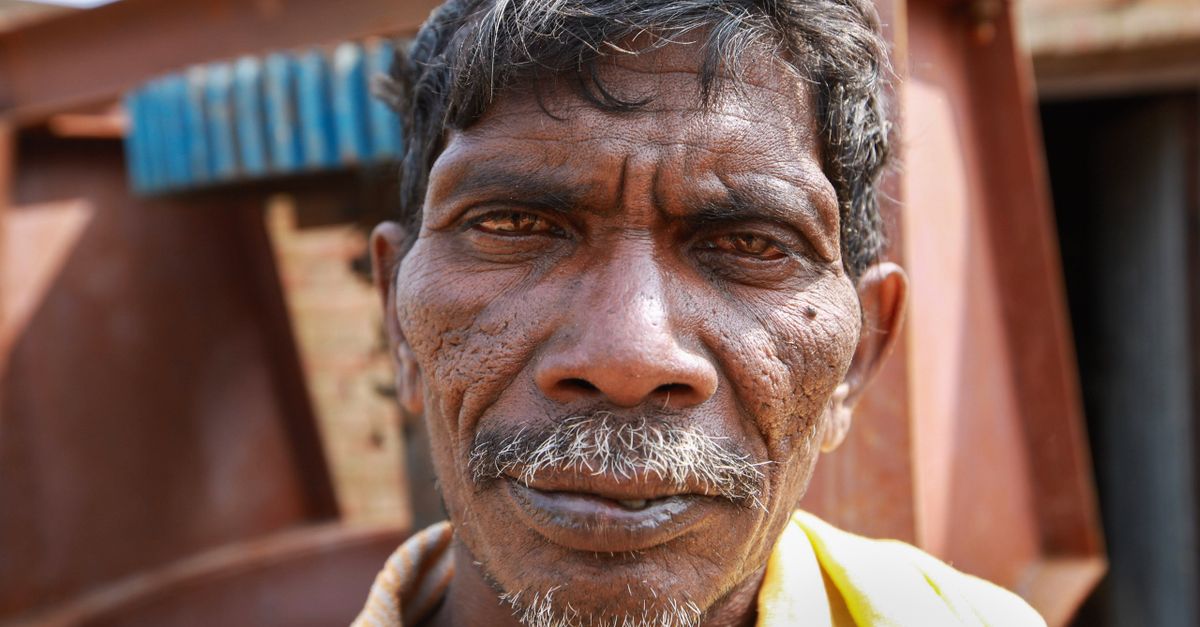
Musculoskeletal disorders are increasingly affecting India's population, yet remain under-recognized in public health discussions.
India is grappling with a hidden health crisis as musculoskeletal disorders (MSDs) silently afflict millions, yet receive minimal attention in the public health sphere. Dr. Harish Grover, an expert in the field, underscores the pressing need to prioritize these conditions, which are increasingly becoming a significant burden on the nation's healthcare system.
Rising Prevalence of Musculoskeletal Disorders
MSDs encompass a range of conditions affecting muscles, bones, and joints. These include arthritis, back pain, and repetitive strain injuries, which are becoming alarmingly common in India. Factors such as aging, sedentary lifestyles, and poor ergonomic practices contribute to the rise in these disorders. According to recent studies, a significant portion of the Indian workforce experiences some form of musculoskeletal pain, impacting productivity and quality of life.
Lack of Awareness and Diagnosis
Despite their prevalence, MSDs often go undiagnosed or are improperly treated, primarily due to a lack of awareness among both the public and healthcare providers. Many individuals dismiss early symptoms as minor aches, delaying medical intervention until the condition worsens. Dr. Grover emphasizes that early diagnosis and intervention are crucial to managing these disorders effectively.
Economic Impact and Healthcare Strain
The economic implications of MSDs are substantial. As these disorders lead to prolonged work absences and reduced productivity, they pose a significant challenge to India's economic growth. The healthcare system, already under pressure from other chronic diseases, struggles to accommodate the increasing demand for orthopedic and rehabilitation services.
Steps Towards Better Management
To address this silent epidemic, Dr. Grover advocates for enhanced public health strategies. These include increasing awareness campaigns, integrating ergonomic education in workplaces, and improving access to specialized care. Additionally, investing in research to understand the specific causes and effective treatments for MSDs in the Indian context could lead to better management and prevention strategies.
As India continues to develop, recognizing and addressing the burden of musculoskeletal disorders is essential. Proactive measures could alleviate the strain on individuals and the healthcare system, fostering a healthier, more productive population.