
India’s Obesity Epidemic: Beyond Mere Weight Concerns
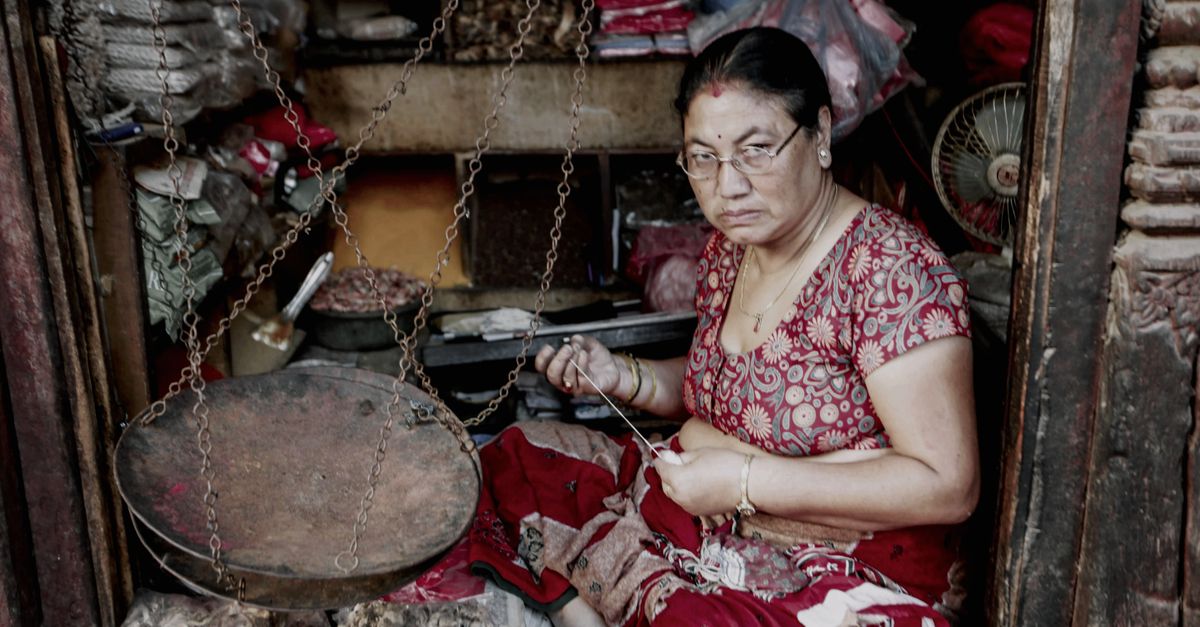
India's obesity crisis extends far beyond weight, influencing public health and economic productivity.
India's struggle with obesity has become a pressing public health issue, extending its impact beyond individual health to societal and economic dimensions. According to the National Family Health Survey (NFHS-5), the prevalence of obesity among adults in India has increased significantly, with rates doubling over the past decade. This surge in obesity is not merely a matter of weight; it intertwines with a complex web of lifestyle changes, urbanization, and socio-economic factors.
The Shift in Lifestyle and Diet
One of the primary drivers of rising obesity rates in India is the shift in lifestyle and dietary habits. Rapid urbanization has led to increased availability and consumption of high-calorie processed foods. Traditional diets, rich in grains, vegetables, and legumes, are gradually being replaced by fast foods and sugary beverages. This dietary transition, coupled with decreased physical activity due to sedentary jobs and urban living, contributes significantly to the obesity epidemic.
Economic Implications of Obesity
The economic consequences of obesity in India are profound. Health care costs associated with obesity-related diseases such as diabetes, cardiovascular diseases, and certain cancers are skyrocketing. A report by the World Obesity Federation estimates that obesity could cost India approximately $13 billion annually by 2025 in terms of healthcare expenditure and lost productivity. Moreover, the burden of obesity-related health issues disproportionately affects low-income families, exacerbating economic inequalities.
Public Health Challenges and Policy Responses
Addressing obesity requires a multifaceted approach, combining public health initiatives, policy measures, and community engagement. While the Indian government has launched initiatives like the 'Fit India Movement' to encourage physical activity, these efforts need to be more comprehensive and inclusive. Policies that promote healthier food options in schools, workplaces, and public spaces are crucial. Additionally, taxation on sugary drinks, similar to measures taken in Mexico and the UK, could be a viable strategy to curb consumption.
The Role of Education and Awareness
Education plays a critical role in tackling obesity. Public awareness campaigns that educate people about the benefits of a balanced diet and regular physical activity can drive behavioral changes. Schools can serve as a pivotal platform for instilling healthy habits in children, thus preventing the onset of obesity from an early age. Furthermore, empowering women with nutritional knowledge can have a ripple effect, benefiting entire families and communities.
Future Directions and Innovations
Innovative solutions are emerging to combat obesity in India. Technology-driven interventions, such as mobile health apps and wearable fitness devices, are gaining popularity. These tools can help individuals monitor their physical activity and dietary intake, providing personalized feedback and motivation. However, the challenge remains to make these technologies accessible and affordable for all socioeconomic groups.
Ultimately, India's battle with obesity is a complex issue that requires coordinated efforts from individuals, communities, and policymakers. As the nation continues to modernize, it must find a balance between embracing change and preserving traditional, healthier lifestyles. The future of India's public health depends on addressing obesity not just as a weight issue, but as a comprehensive health crisis.