
India's Medical Tourism: A Booming Industry with Global Appeal
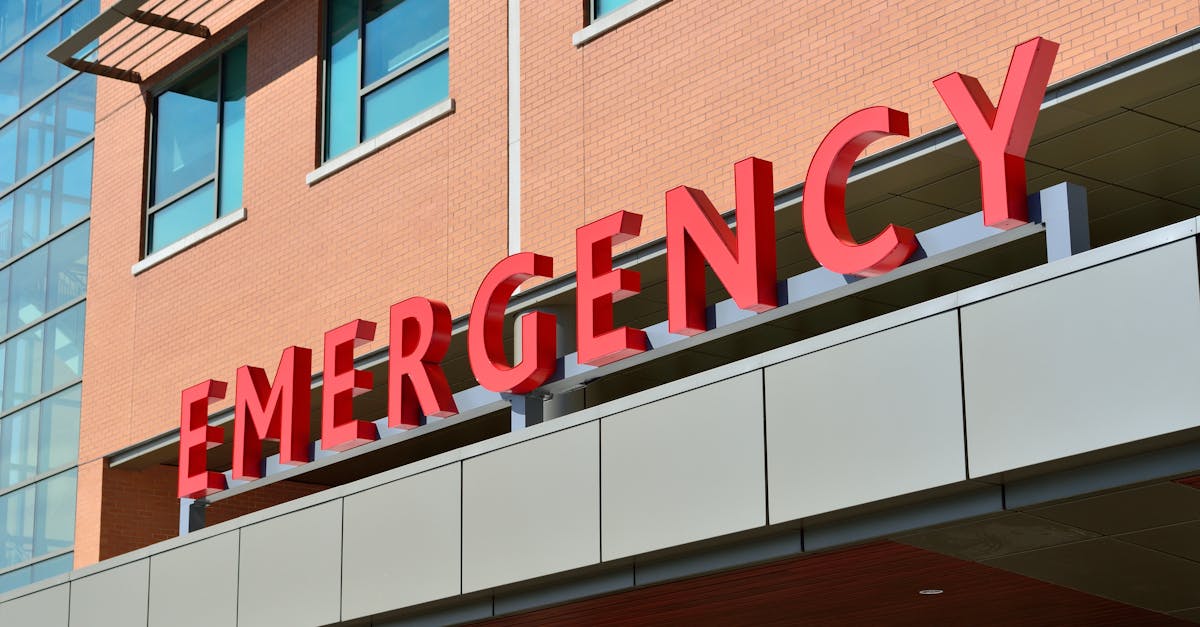
India's medical tourism industry attracts thousands seeking affordable, high-quality healthcare.
India has emerged as a global hub for medical tourism, drawing thousands from across the world who seek affordable yet high-quality healthcare services. The industry, valued at around $9 billion in 2020, is expected to continue its upward trajectory. Factors such as cost-effective treatment, a wide range of medical services, and skilled healthcare professionals contribute to this growth.
Why Patients Choose India
Patients from countries with prohibitively expensive healthcare systems find India an attractive destination. The cost of medical treatment in India can be as much as 50 to 80 percent lower than in the United States or Europe. For instance, a heart bypass surgery that costs over $100,000 in the U.S. can be performed for about $10,000 in India. Additionally, India offers a range of procedures from cardiac surgery and organ transplants to cosmetic procedures and fertility treatments.
Language is another factor that makes India appealing to international patients. With English widely spoken among medical professionals, the communication barrier is significantly reduced, allowing for smoother interactions and better patient care.
Quality of Care and Accreditation
India's healthcare facilities are equipped with state-of-the-art technology, and many hospitals are accredited by international organizations such as the Joint Commission International (JCI). This accreditation ensures that hospitals meet global standards for patient care and safety. The presence of internationally trained doctors further enhances the reputation of Indian medical services.
Moreover, India's emphasis on medical research and development has led to advancements in various fields, including oncology, cardiology, and orthopedics. These advancements contribute to the high standard of care patients receive, making India a trustworthy option for complex medical procedures.
The Role of Infrastructure and Hospitality
The infrastructure supporting medical tourism in India is well-developed, with major cities like Delhi, Mumbai, Bangalore, and Chennai serving as key medical hubs. These cities are not only home to some of the best hospitals in the country but are also well-connected by international flights, making travel convenient for patients.
India's rich cultural heritage and hospitality further enhance the experience for medical tourists. Many hospitals offer comprehensive packages that include medical treatment along with accommodation, meals, and local transportation, ensuring a comfortable stay for patients and their families.
Challenges and Future Prospects
Despite its growth, the medical tourism industry in India faces challenges. Concerns about hygiene, pollution, and variations in the quality of care can deter potential patients. Additionally, the lack of a centralized regulatory body for medical tourism can result in inconsistencies in service delivery.
However, the Indian government is actively working to address these issues. Initiatives such as the e-Medical Visa and the establishment of dedicated medical tourism boards aim to streamline processes and improve the overall experience for international patients.
As global demand for affordable healthcare continues to rise, India's medical tourism sector is poised for further expansion. By maintaining high standards of care and addressing existing challenges, India can solidify its position as a leader in the global medical tourism industry.
With strong government support and an ongoing commitment to quality, the future of medical tourism in India looks promising, offering hope to millions seeking healthcare solutions worldwide.