
India's Medical Device Sector Challenges Draft Bill Over Pharma-Like Regulations
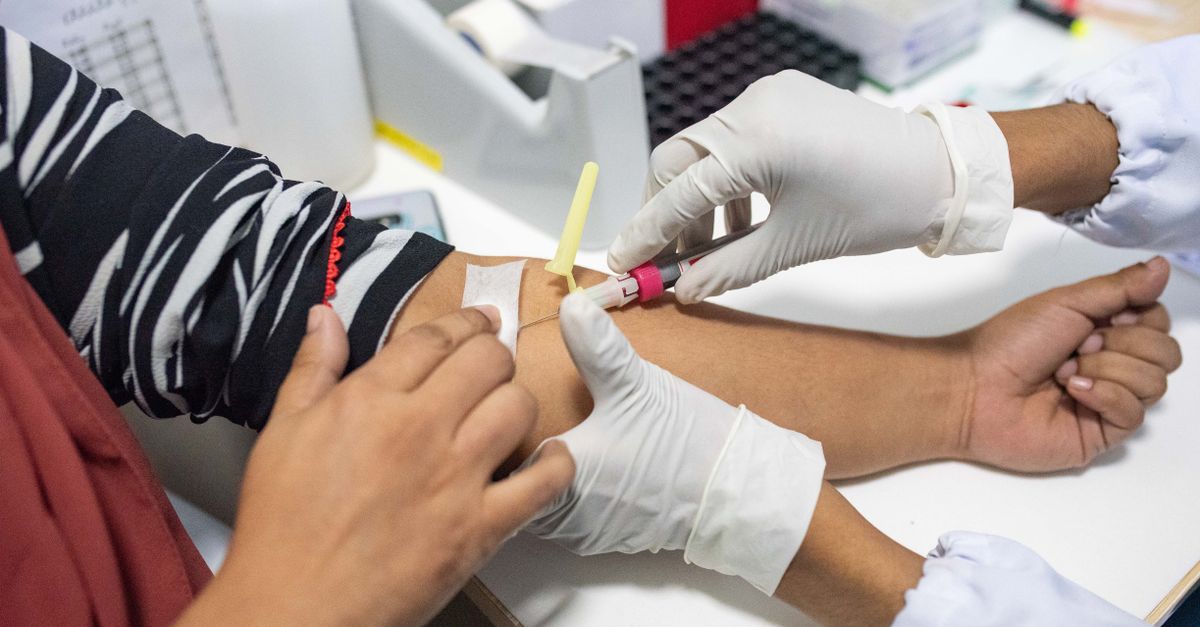
India's medical device industry argues against a draft bill treating devices like drugs, citing potential harm to innovation and investment.
India's medical device industry, alongside healthcare and patient safety groups, has voiced strong opposition to the draft Drugs, Medical Devices and Cosmetics Bill, 2026. The bill, they argue, inappropriately classifies medical devices under the same regulatory framework as pharmaceuticals, potentially stifling innovation and deterring investment.
Industry Pushback on Regulatory Approach
Several associations representing manufacturers, healthcare providers, and patient groups have collectively expressed their concerns to the Union Health Minister. They argue that the current draft does not provide a conducive regulatory environment for the medical devices sector to thrive and compete on a global scale. The associations insist that the bill's approach fails to recognize the fundamental differences between medical devices and pharmaceuticals, which are engineering products rather than chemical compounds.
The draft bill proposes stringent penalties, including imprisonment for regulatory infractions such as labelling errors and documentation lapses, which industry representatives say are inappropriate for the sector. They highlight that globally, medical devices are regulated through risk-based assessments and quality management systems, rather than criminal penalties.
Concerns Over Innovation and Investment
The industry fears that the draft bill's pharmaceutical-centric language and approach could hinder India's potential to become a global hub for medical devices. By imposing criminal penalties for engineering deviations and documentation errors, the bill could discourage both domestic manufacturing and foreign investment.
In their letter dated August 8, the associations emphasized that terms like "adulterated" and "misbranded" are more applicable to drug regulations and not suitable for medical devices. They argue that the bill should instead focus on administrative enforcement and post-market surveillance, similar to practices followed by regulatory bodies such as the EU MDR, US FDA, and others.
Call for a Distinct Regulatory Framework
The pushback against the draft legislation comes as India seeks to overhaul its 86-year-old pharmaceutical regulations. While the draft is still under inter-ministerial consultation, industry stakeholders are urging a reconsideration, advocating for a regulatory framework that acknowledges the distinct nature of medical devices.
Industry leaders believe that treating medical devices as an adjunct to pharmaceuticals undermines the sector's growth potential. They call for a regulatory environment that supports innovation and global competitiveness, without the threat of disproportionate penalties.
The draft bill's implications are significant, as they could impact the trajectory of India's medical device industry. As discussions continue, stakeholders hope for adjustments that will foster a more supportive ecosystem for the sector.