
India's Hospital Infrastructure: Challenges and Innovations
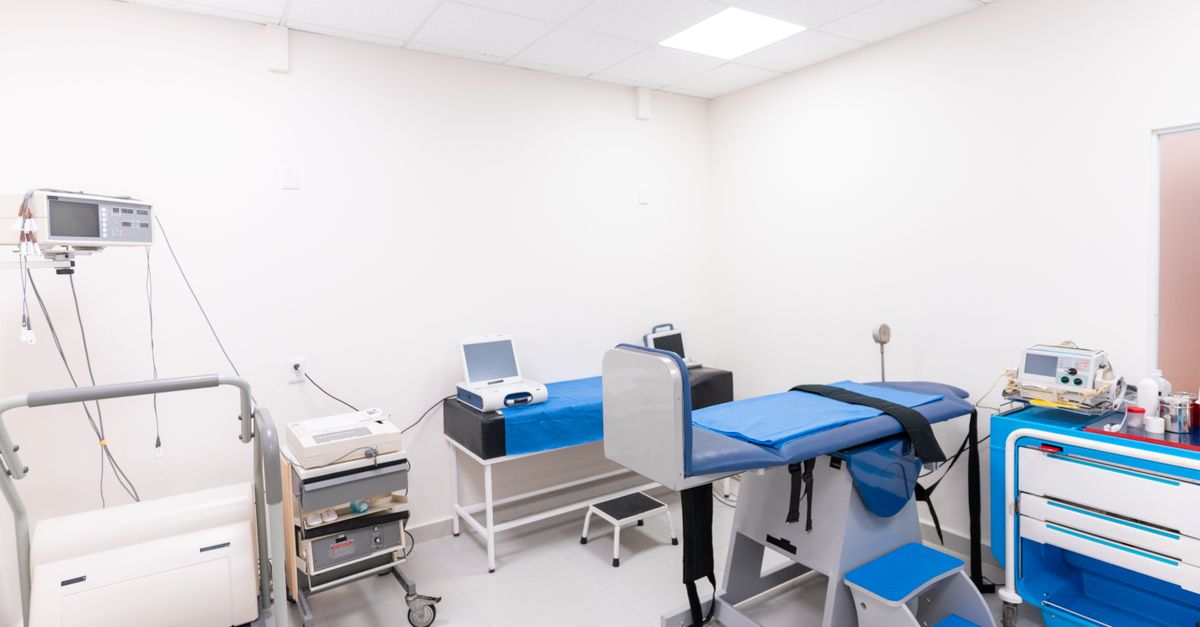
India's hospital infrastructure faces both challenges and opportunities as it navigates resource constraints and technological advancements.
India's healthcare system is a complex tapestry woven with both remarkable successes and daunting challenges. At the center of this narrative lies the country's hospital infrastructure, which serves as the backbone of public health delivery. As India aspires to provide comprehensive healthcare to its vast population, the state of its hospital infrastructure remains a critical focus.
The Current State of Hospital Infrastructure
Across the subcontinent, hospital infrastructure varies significantly, with urban centers typically boasting better facilities compared to rural areas. According to the National Health Profile 2022, India has approximately 1.6 million hospital beds, translating to about 1.3 beds per 1,000 people, far below the World Health Organization's recommendation of 5 beds per 1,000 people. This shortfall is more pronounced in rural regions, where access to healthcare facilities is limited.
Public hospitals, which cater to the majority of the population, often struggle with overcrowding and inadequate resources. Despite efforts to improve conditions, many of these institutions face shortages of essential equipment and trained personnel. The disparities between public and private healthcare facilities further exacerbate the issue, with private hospitals generally providing superior services but remaining inaccessible to economically disadvantaged groups.
Government Initiatives and Investments
Recognizing the pressing need to bolster hospital infrastructure, the Indian government has launched several initiatives aimed at addressing these gaps. The Ayushman Bharat scheme, introduced in 2018, is a flagship program designed to provide health insurance to over 100 million families. It also seeks to upgrade existing hospital infrastructure and establish new facilities in underserved areas.
Additionally, the National Health Mission (NHM) continues to play a pivotal role in strengthening healthcare delivery. The NHM has facilitated the construction and renovation of numerous health centers, particularly in rural regions. In the Union Budget 2023, the government allocated ₹89,155 crore to healthcare, marking a significant increase compared to previous years.
Private Sector's Role and Innovations
The private sector has become an indispensable ally in enhancing India's hospital infrastructure. Corporate hospitals, such as Apollo Hospitals and Fortis Healthcare, have introduced state-of-the-art facilities and technologies, setting new benchmarks for patient care. These institutions often drive innovation, adopting advanced medical technologies like telemedicine and robotic surgery.
Moreover, partnerships between the public and private sectors have emerged as an effective strategy to address infrastructure challenges. For instance, public-private partnerships (PPPs) have facilitated the establishment of new hospitals and improved the management of existing facilities. Such collaborations have the potential to reduce the burden on public hospitals and expand access to quality healthcare.
Technological Advancements and Digital Health
Technology has become a game-changer in transforming hospital infrastructure in India. The adoption of electronic health records (EHRs) and hospital management systems has streamlined operations and improved patient care. Telemedicine platforms have gained traction, especially during the COVID-19 pandemic, enabling remote consultations and reducing the pressure on physical hospital infrastructure.
The government's push for digital health through initiatives like the National Digital Health Mission (NDHM) aims to create an integrated healthcare ecosystem. By leveraging technology, the NDHM seeks to ensure that healthcare services are more efficient, accessible, and affordable for all citizens.
Looking Ahead: A Balanced Approach
As India continues to grapple with the dual challenges of expanding hospital infrastructure and ensuring equitable access, a balanced approach is essential. Investments in both public and private sectors must prioritize underserved areas while embracing technological advancements that can bridge existing gaps. The road ahead requires not just financial investment but also a collaborative effort between government, private players, and civil society.
The future of India's hospital infrastructure holds promise, contingent on sustained commitment and innovation. As one healthcare expert aptly puts it, "Building a resilient healthcare system is not just about adding more beds but ensuring those beds serve every corner of the country."