
India's Hidden Health Crisis: Rare Diseases Demand Attention
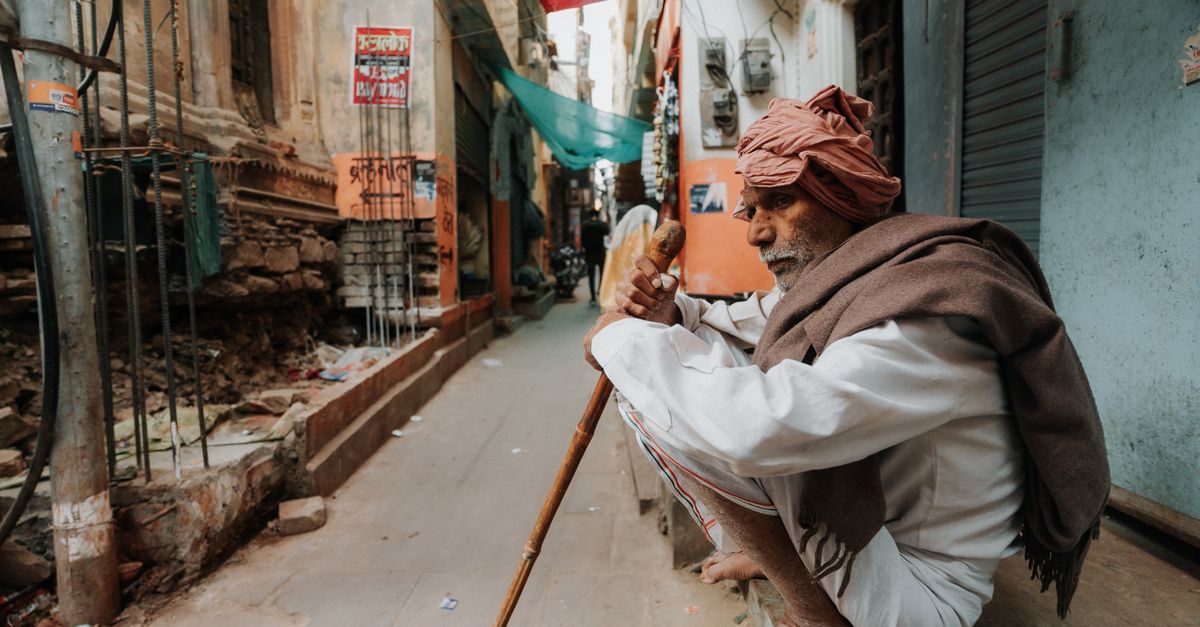
Over 70 million Indians suffer from rare diseases, facing challenges in diagnosis and treatment. Urgent systemic changes are needed to address this crisis.
India finds itself at the crossroads of a silent yet significant health crisis—rare diseases. Affecting over 70 million people, these conditions pose unique challenges due to their low prevalence and the complexity involved in their diagnosis and treatment. With limited resources and awareness, the country struggles to provide adequate care for those afflicted.
Why Rare Diseases Are Often Overlooked
The term 'rare' in the context of diseases might suggest limited impact, but in India, the numbers tell a different story. A rare disease, by definition, affects fewer than one in 2,500 individuals. However, with a population exceeding 1.3 billion, even these low-prevalence conditions impact millions. The lack of awareness and understanding among healthcare professionals often leads to misdiagnosis or delayed diagnosis, exacerbating patient suffering.
Compounding the issue is the scant data available on these diseases. Most of the research and medical literature is concentrated in Western countries, leaving Indian healthcare providers without local context or case studies to draw upon. This knowledge gap makes it challenging to develop effective treatment protocols or policies tailored to the Indian demographic.
Challenges in Diagnosis and Treatment
For patients with rare diseases, the journey to a correct diagnosis is often long and arduous. On average, it takes five to seven years for a rare disease to be accurately diagnosed in India. During this period, patients may undergo numerous tests, consultations, and incorrect treatments, adding to their physical and emotional burden.
The situation is worsened by the lack of specialized medical professionals who are trained to recognize and treat these conditions. Most medical curricula in India do not include comprehensive education on rare diseases, leaving doctors ill-prepared to identify them. This gap in training results in a reliance on foreign expertise, which is not always accessible or applicable.
In terms of treatment, the scenario is equally grim. The high cost of medication, often imported, places an enormous financial strain on families. Many of these drugs are not covered by insurance policies, making them inaccessible to a large portion of the affected population. Moreover, the absence of local production facilities for orphan drugs—those developed specifically for rare diseases—compounds the problem.
Policy Measures and Advocacy Efforts
Recognizing the need for intervention, the Indian government has taken some steps toward addressing the rare disease crisis. The National Policy for Rare Diseases was introduced in 2021, aiming to create a comprehensive framework for prevention, treatment, and research. However, critics argue that the policy does not go far enough in providing immediate relief to patients.
Advocacy groups have been instrumental in bringing attention to the plight of those with rare diseases. Organizations such as the Organization for Rare Diseases India (ORDI) work tirelessly to promote awareness and lobby for better healthcare policies. Their efforts have led to increased public awareness and some policy shifts, but significant challenges remain.
The Role of Technology and Innovation
Technology holds promise in transforming the landscape of rare disease management in India. Advances in genomics and big data analytics offer new avenues for early diagnosis and personalized treatment plans. By leveraging these technologies, healthcare providers can identify rare conditions more swiftly and accurately.
Furthermore, telemedicine platforms are making specialized care accessible to patients in remote areas. These platforms connect patients with international experts, providing them with insights and recommendations that may not be available locally. While these technological solutions are promising, they require substantial investment and infrastructure development to be effective on a national scale.
The future of managing rare diseases in India hinges on a multi-pronged approach involving education, policy reform, and technological innovation. As awareness grows, so too does the hope for a healthcare system that can offer timely and effective solutions to those who need it most.