
India's Healthcare Revolution: Rural Areas Lead the Charge
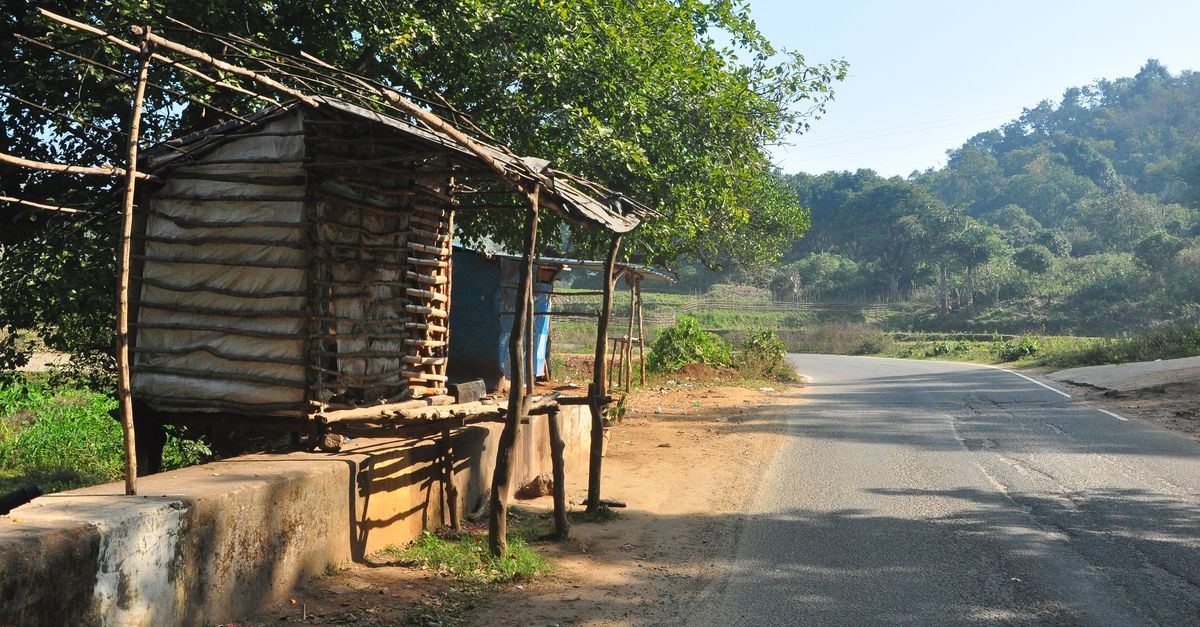
While urban centers often dominate headlines, India's healthcare progress is taking root in its rural heartlands, thanks to technology and innovative models.
When one thinks of healthcare advancements in India, the bustling metropolitan cities like Mumbai, Delhi, and Bangalore typically come to mind. Yet, a quieter revolution is underway in the country's rural heartlands, where technology and innovative healthcare models are transforming patient care. This shift is not only addressing the disparities between urban and rural healthcare but is also setting a new precedent for how emerging markets can tackle similar challenges.
The Rise of Telemedicine in Rural India
One of the most significant developments in India's rural healthcare landscape is the adoption of telemedicine. In areas where healthcare facilities are sparse and specialists are rare, telemedicine offers a lifeline. Organizations like Practo and Portea are making healthcare accessible to villagers who previously had to travel long distances for a consultation. These platforms have leveraged the widespread mobile phone penetration in rural India to connect patients with doctors hundreds of miles away.
The impact is tangible. According to a report by the Internet and Mobile Association of India (IAMAI), rural internet users are expected to reach 304 million by 2025, creating a vast potential market for telehealth services. This growth is not just about numbers; it's about bringing healthcare to people who have long been on the periphery of the nation's healthcare priorities.
Innovative Healthcare Delivery Models
Beyond telemedicine, innovative healthcare delivery models are gaining traction. Take, for instance, the concept of mobile health clinics. These clinics, often equipped with basic diagnostic tools and staffed by trained professionals, travel to remote villages, providing essential healthcare services. Narayana Health and Apollo Hospitals have pioneered such initiatives, offering not just treatment but also health education and preventive care.
Furthermore, grassroots organizations like SEWA (Self Employed Women's Association) are training local women to become health workers, known as 'barefoot doctors'. These women serve as the first point of contact for healthcare in their communities, offering basic medical advice, maternal care, and even managing minor ailments. By integrating local resources and knowledge, these models are effectively bridging the gap between modern healthcare and traditional practices.
Government Initiatives and Policy Support
The Indian government, recognizing the critical need to uplift rural healthcare, has launched several initiatives. The Ayushman Bharat scheme, touted as the world's largest government-funded healthcare program, aims to provide free health coverage to over 500 million people, predominantly in rural areas. This program not only seeks to mitigate financial barriers to healthcare but also encourages the establishment of more healthcare facilities in underserved regions.
Additionally, the government is investing in digital health infrastructure, including the National Digital Health Mission (NDHM), which aims to create an integrated digital health ecosystem. This initiative is expected to enhance data-driven decision-making in healthcare policy and delivery, particularly benefiting rural populations where data collection has traditionally been challenging.
Challenges and the Path Forward
Despite these advances, challenges remain. Infrastructure in rural India still lags behind urban centers, with issues like inconsistent electricity supply and poor internet connectivity hindering the full potential of digital health solutions. Moreover, cultural barriers and a lack of trust in modern medicine can slow adoption rates.
However, the path forward is promising. By continuing to invest in infrastructure and education, and by fostering public-private partnerships, India can overcome these hurdles. As Dr. Devi Shetty, a renowned cardiac surgeon and the founder of Narayana Health, aptly puts it, "The future of healthcare in India lies in the villages." His words reflect a growing consensus that sustainable healthcare solutions must be inclusive and holistic, addressing both medical and socio-economic determinants of health.
In conclusion, India's healthcare revolution in rural areas is not just a local success story; it is a blueprint for other nations grappling with similar issues. As technology and innovation continue to permeate the rural healthcare landscape, the potential for positive change is immense, setting the stage for a healthier, more equitable future.