
India's Health Predicament: Navigating Major Challenges
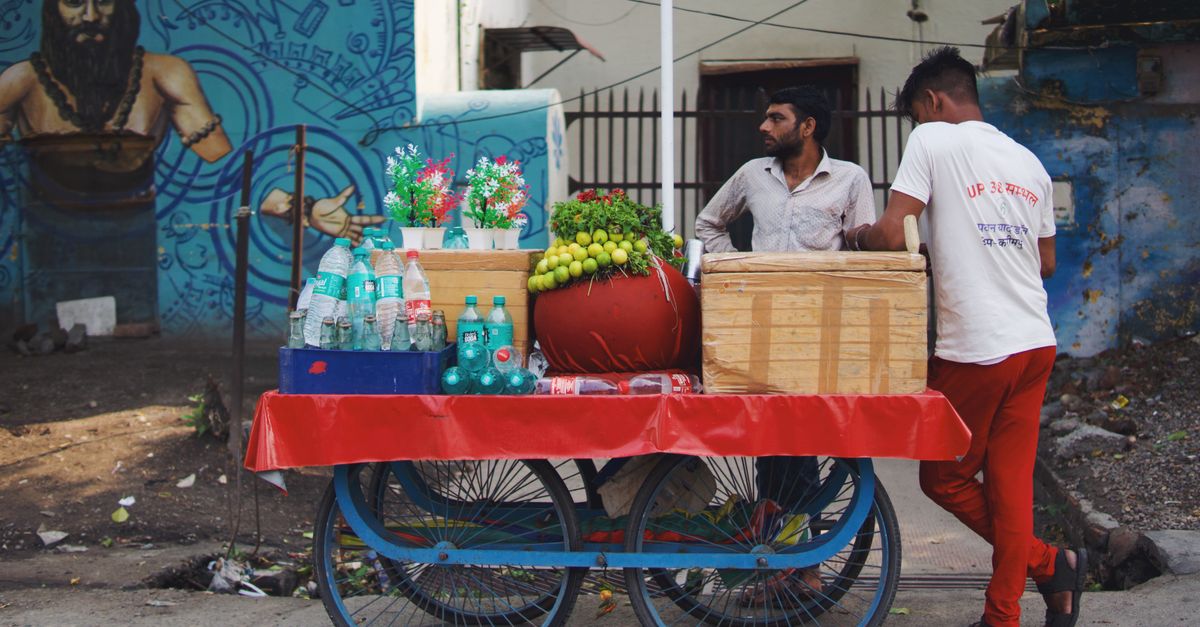
India faces pressing health challenges, including infectious diseases, non-communicable diseases, and healthcare access disparities.
India, home to over 1.4 billion people, faces a myriad of health challenges that threaten the wellbeing of its citizens and strain its healthcare system. From the persistence of infectious diseases to the rise of non-communicable diseases and issues in healthcare access, the country's health landscape is complex and multifaceted.
Infectious Diseases: An Ongoing Battle
Despite significant progress in reducing the prevalence of infectious diseases, India continues to grapple with them. Tuberculosis (TB), for instance, remains a major public health issue. According to the World Health Organization, India accounted for 26% of the global TB incidence in 2021. Efforts to combat TB are complicated by the emergence of multi-drug resistant strains, which require more intensive and prolonged treatment.
Similarly, the country faces challenges with vector-borne diseases such as malaria and dengue. In 2022, India reported over 100,000 cases of dengue, highlighting the need for improved vector control and public health strategies. The COVID-19 pandemic further underscored the vulnerabilities in India's healthcare infrastructure, bringing to light the urgent need for strengthening epidemic preparedness and response mechanisms.
Rising Tide of Non-Communicable Diseases
Alongside infectious diseases, non-communicable diseases (NCDs) like diabetes, heart disease, and cancer are on the rise, driven by urbanization, lifestyle changes, and an aging population. The Indian Council of Medical Research notes that NCDs account for nearly 61% of deaths in the country. This shift presents a dual burden as the healthcare system continues to combat infectious diseases while also addressing the growing prevalence of NCDs.
Diabetes, in particular, poses a significant challenge. India is home to over 77 million diabetics, making it the second-largest population of diabetics worldwide. The disease's prevalence highlights the need for better public health policies focusing on prevention, early diagnosis, and management.
Healthcare Access: Bridging the Gap
Disparities in healthcare access remain one of India's most pressing challenges. While urban areas often have better access to healthcare facilities, rural regions frequently suffer from a lack of resources, infrastructure, and trained healthcare professionals. According to a 2022 report by the Ministry of Health and Family Welfare, rural India, which houses over 65% of the population, has only about 25% of the country's healthcare infrastructure.
This gap in access leads to delayed treatment, worsening health outcomes, and increased mortality rates. Efforts to address these disparities include initiatives like the Ayushman Bharat scheme, which aims to provide health coverage to over 500 million low-income individuals. However, the execution of such programs is often hampered by bureaucratic hurdles and a lack of adequate funding.
Environmental and Lifestyle Factors
Environmental issues, notably air pollution, also pose a significant health threat. According to the World Air Quality Report, 21 of the world's 30 most polluted cities are in India, contributing to respiratory illnesses and cardiovascular diseases. The Lancet reports that air pollution was responsible for an estimated 1.67 million deaths in India in 2019, underscoring the need for stringent environmental regulations and policies.
Lifestyle factors such as poor diet, sedentary behavior, and smoking further exacerbate health challenges. The modern Indian diet, increasingly high in processed foods and sugars, has led to a surge in obesity and related health problems. Public health campaigns promoting healthier lifestyle choices are vital to curbing this trend.
Looking Ahead: A Path to Improvement
India's health challenges are vast and varied, requiring a multifaceted approach involving policy reforms, increased funding, and public health initiatives. Strengthening the healthcare infrastructure, particularly in rural areas, and investing in preventive care are critical steps. As India navigates these challenges, the focus must remain on creating sustainable, equitable health solutions that can adapt to the country's diverse needs. The road ahead is challenging, but with concerted efforts, progress is within reach.