
India's Health-Conscious Shift: Redefining Consumer Behavior
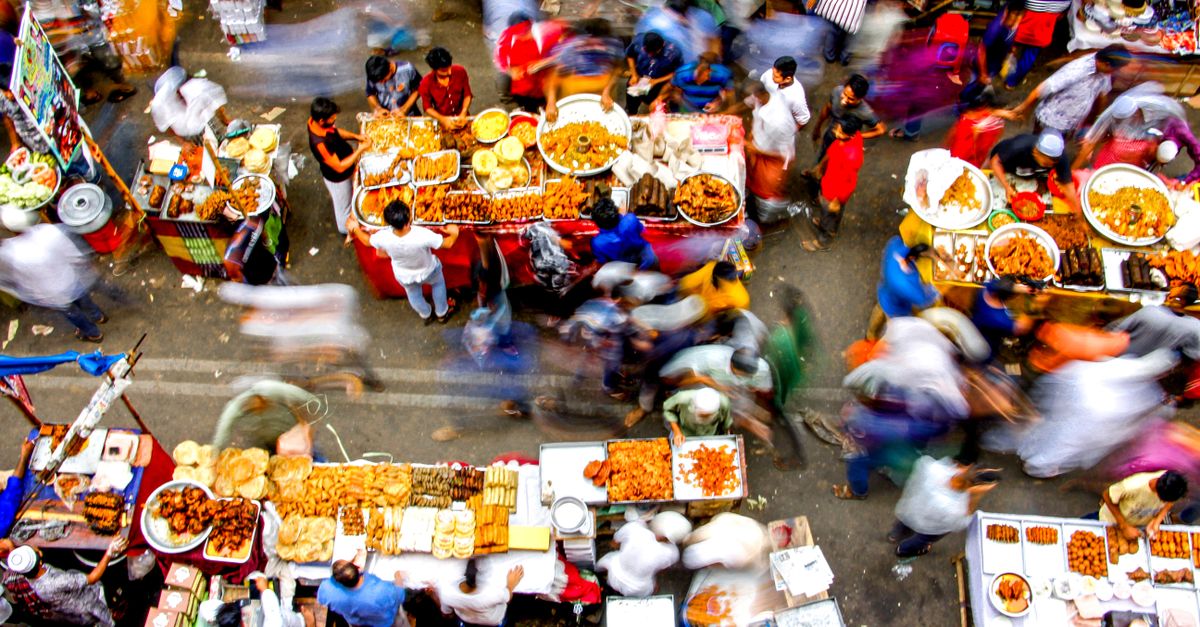
India sees a surge in health-conscious consumers, reshaping markets and lifestyles with a focus on wellness and nutrition.
In recent years, India has witnessed a remarkable transformation in consumer behavior as health-consciousness emerges as a dominant trend. This shift is not just a passing fad but a fundamental change in mindset across demographics. From urban metros to smaller towns, the Indian consumer is increasingly prioritizing health and wellness, reshaping industries and influencing new market trends.
The Driving Forces Behind the Shift
Several factors contribute to the rise of health-conscious consumers in India. Increasing awareness about lifestyle diseases such as diabetes and hypertension has prompted many to reconsider their dietary and fitness habits. According to the World Health Organization, non-communicable diseases account for nearly 60% of deaths in India, highlighting the urgent need for lifestyle changes.
Moreover, the COVID-19 pandemic acted as a catalyst, amplifying the focus on health. With a heightened emphasis on immunity and well-being, consumers have become more vigilant about their health choices. The pandemic period saw a surge in demand for health supplements, organic foods, and fitness equipment, reflecting a broader commitment to personal health.
How Brands Are Responding
Brands across sectors are swiftly adapting to cater to the health-conscious demographic. The food and beverage industry, for instance, has seen a proliferation of products labeled as organic, low-fat, gluten-free, and sugar-free. Companies like ITC and Tata Consumer Products have launched health-focused product lines, capitalizing on this growing demand.
Fitness apps and wearable technologies have also gained traction. Platforms like Cure.fit and HealthifyMe are expanding their offerings to include personalized health plans, while sales of fitness trackers from brands such as Fitbit and Xiaomi are on the rise. This trend underscores a tech-savvy approach to health management, providing consumers with the tools to monitor and enhance their well-being.
The Role of E-commerce in Health Consumerism
E-commerce platforms have played a crucial role in the health-conscious movement, offering accessibility and convenience. Online marketplaces such as Amazon and Flipkart have seen a significant increase in the sale of health-related products. Specialty platforms like BigBasket and 1mg are also thriving, providing consumers with a diverse range of health products and services at their fingertips.
Furthermore, the digital landscape has enabled consumers to educate themselves about health and wellness. Social media influencers and digital health campaigns are spreading awareness and inspiring healthier lifestyle choices. This digital shift not only empowers consumers but also pressures brands to maintain transparency and authenticity in their offerings.
Challenges and Opportunities Ahead
While the rise of health-conscious consumers presents numerous opportunities, it also poses challenges. The need for regulatory oversight is paramount as the market becomes flooded with health-oriented products. Ensuring product authenticity and safety is critical to maintaining consumer trust.
Additionally, addressing the affordability and accessibility of health products remains a challenge. While urban consumers are leading this trend, expanding access to rural areas could unlock significant market potential. Initiatives to provide affordable health options could drive the next wave of growth in the sector.
Looking ahead, the trend of health-conscious consumption in India is poised to continue its upward trajectory. As consumers increasingly prioritize health, companies that innovate and adapt to these demands are likely to thrive. This shift offers an opportunity to redefine how health and wellness are perceived and pursued across the nation.