
India's Health Burden Shift: From Tuberculosis to Diabetes
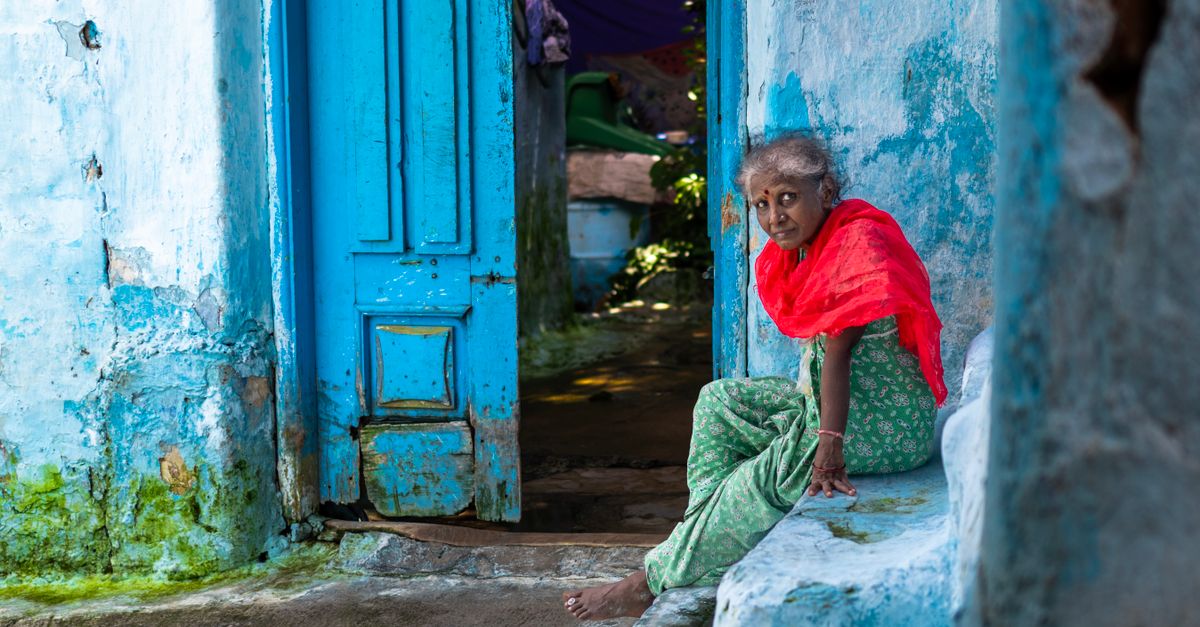
India's health landscape has shifted from infectious diseases to chronic conditions like diabetes.
India's health burden has undergone a dramatic shift over the decades, transitioning from infectious diseases like tuberculosis to chronic conditions such as diabetes. This change reflects broader global trends in health but is also influenced by unique factors within the country.
Rise of Non-Communicable Diseases
Historically, India's health challenges were dominated by infectious diseases, with tuberculosis being a major concern. However, recent decades have seen a marked increase in non-communicable diseases (NCDs), which now account for a significant portion of the country's health issues.
According to the World Health Organization, NCDs are responsible for around 60% of deaths in India. Among these, diabetes has become particularly prevalent, affecting millions of people across the nation. This rise is attributed to various factors, including lifestyle changes, urbanization, and dietary habits.
Factors Driving the Shift
Urbanization has played a crucial role in reshaping India's health profile. As more people move to cities, lifestyle changes such as reduced physical activity and increased consumption of processed foods have contributed to the rise in diabetes and other NCDs.
Moreover, increased life expectancy has led to a higher prevalence of age-related diseases. The healthcare system, traditionally focused on infectious diseases, is now being challenged to address these new concerns effectively.
Government and Healthcare Response
The Indian government has recognized the growing burden of NCDs and has initiated various programs to address them. Efforts include awareness campaigns, screening programs, and the promotion of healthier lifestyles.
Despite these initiatives, challenges remain. Access to healthcare services, particularly in rural areas, is limited, and there is a need for more comprehensive strategies to manage and prevent NCDs. Collaborations between public and private sectors are being explored to enhance healthcare delivery and reach.
Future Outlook
As India continues to navigate this shift in health burden, the focus on prevention and management of NCDs will be crucial. Public health policies must adapt to prioritize these conditions, integrating them into the broader healthcare framework.
Ultimately, addressing the dual challenge of infectious diseases and NCDs will require a multifaceted approach, combining policy changes, healthcare infrastructure improvements, and community engagement. As India moves forward, the lessons learned from this transition could offer valuable insights for other countries facing similar shifts in health dynamics.