
India's Growing Challenge: Tackling Non-Communicable Diseases
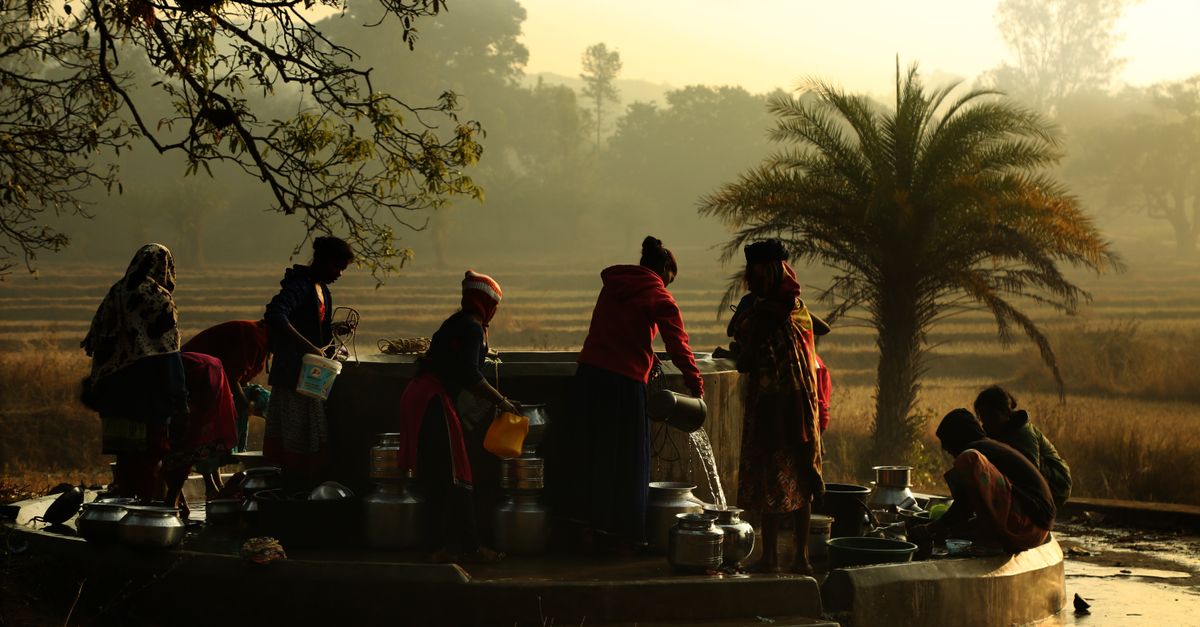
India faces a rising tide of non-communicable diseases, posing a threat to its healthcare system and economy.
India is witnessing an alarming rise in non-communicable diseases (NCDs), a trend that threatens to overwhelm its healthcare infrastructure and stymie economic growth. As the nation continues to urbanize and industrialize, the prevalence of conditions such as diabetes, cardiovascular diseases, and cancer has surged, creating a public health crisis that demands urgent attention.
Why Non-Communicable Diseases Are Escalating
The increase in NCDs in India can be attributed to a range of factors, primarily lifestyle changes. Rapid urbanization has brought about shifts in dietary habits, reduced physical activity, and increased stress levels. Moreover, the proliferation of tobacco and alcohol consumption has exacerbated the situation. According to the World Health Organization, NCDs account for 63% of all deaths in India, with cardiovascular diseases leading the charge at 27%.
These lifestyle changes are not limited to urban areas; rural communities are also experiencing a rise in NCDs as they adopt more sedentary lifestyles and unhealthy diets. The Indian Council of Medical Research highlights that the prevalence of diabetes in rural areas has nearly doubled in the past two decades.
The Economic Impact of NCDs
The economic burden of NCDs is staggering. The World Economic Forum estimates that NCDs could cost the Indian economy approximately $4.58 trillion by 2030. This financial strain is felt both at the macroeconomic level and in individual households, where the cost of managing long-term illnesses can push families into poverty.
The healthcare system, already stretched thin, faces additional pressure as it struggles to provide adequate care for the growing number of patients with chronic conditions. Hospitals and clinics are often ill-equipped to deal with the complex, ongoing treatment that NCDs require, leading to inadequate patient outcomes and increased mortality rates.
Government Initiatives and Gaps
Recognizing the threat posed by NCDs, the Indian government has launched several initiatives aimed at prevention and management. The National Programme for Prevention and Control of Cancer, Diabetes, Cardiovascular Diseases and Stroke (NPCDCS) aims to reduce the prevalence of these diseases through awareness campaigns, early diagnosis, and regular screening programs.
However, these efforts face significant challenges. There is a shortage of healthcare professionals trained to manage NCDs, and public health infrastructure remains underfunded. Furthermore, there is a need for a more integrated approach that includes not only healthcare providers but also education, urban planning, and community engagement to address the root causes of lifestyle-related diseases.
The Role of Technology and Innovation
Technology offers a beacon of hope in the fight against NCDs. Telemedicine and mobile health platforms are becoming increasingly popular, especially in rural areas where access to healthcare facilities is limited. These technologies provide patients with the means to monitor their health and receive guidance from healthcare professionals remotely.
Additionally, data analytics and artificial intelligence are being leveraged to predict disease patterns and personalize treatment plans. These innovations could significantly enhance the ability of healthcare providers to manage NCDs more effectively and efficiently.
A Call to Action
Addressing the burden of non-communicable diseases in India requires a concerted effort from all sectors of society. It is crucial for the government, private sector, and non-profit organizations to collaborate in creating a holistic strategy that prioritizes prevention, early detection, and effective management of NCDs.
As India stands at the crossroads of health and economic development, the choices made today will define the nation's future health landscape. As Dr. Randeep Guleria, former director of AIIMS, aptly put it, "Investing in health is not just a moral imperative, but a strategic choice for sustainable development."