
India's Elderly Population to Double by 2050: Challenges for Care Systems
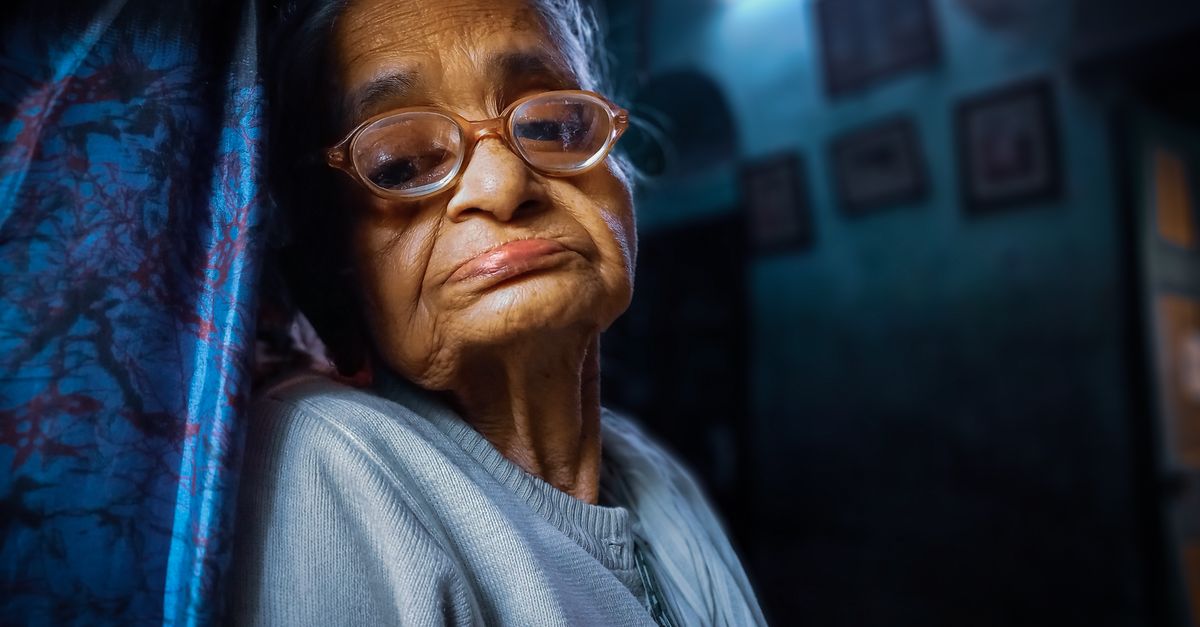
India's elderly population is projected to double by 2050, raising concerns about the nation's ability to provide adequate care.
India is on the brink of a demographic shift, with its elderly population expected to double by 2050. This surge raises pressing questions about the country's readiness to support an aging population. As of now, India faces significant challenges in its healthcare infrastructure and social support systems for the elderly.
Demographic Changes and Their Implications
The current elderly population in India stands at approximately 138 million, and projections suggest this number will reach nearly 300 million by 2050. This demographic change is attributed to increased life expectancy and declining birth rates. With these shifts, the demand for healthcare services, assisted living facilities, and geriatric care is expected to rise dramatically.
The growing elderly population will also have economic implications, as a larger segment of the population will depend on pensions and social security systems. The burden on these systems could strain public finances unless proactive measures are taken.
Current State of Elder Care in India
India's existing elder care infrastructure is inadequate to meet the needs of its aging population. There are limited geriatric care facilities, and many elderly individuals lack access to affordable healthcare. Moreover, the country faces a shortage of trained healthcare professionals specializing in geriatric care.
Family structures, traditionally the backbone of elder support in India, are also changing. Urbanization and migration have led to nuclear families, reducing the capacity for home-based elder care. This shift necessitates the development of formal care systems to fill the gap left by traditional family support.
Government Initiatives and Future Prospects
The Indian government has introduced several policies aimed at supporting the elderly, such as the National Policy for Older Persons and the Maintenance and Welfare of Parents and Senior Citizens Act. These initiatives focus on providing financial security, healthcare, and legal protection for the elderly. However, implementation remains a challenge, and many policies have yet to achieve their intended impact.
To address these challenges, experts suggest increasing investment in healthcare infrastructure, training healthcare workers in geriatric care, and developing innovative care models like telemedicine and community-based services. Public-private partnerships could also play a crucial role in expanding elder care services.
The future of elder care in India will depend on the country's ability to adapt its healthcare and social support systems to meet the needs of its aging population. As the nation prepares for this demographic shift, comprehensive planning and robust policy implementation will be essential to ensure that the elderly receive the care and support they need.