
India's Elderly Need Specialist Geriatric Care, Not More Hospitals
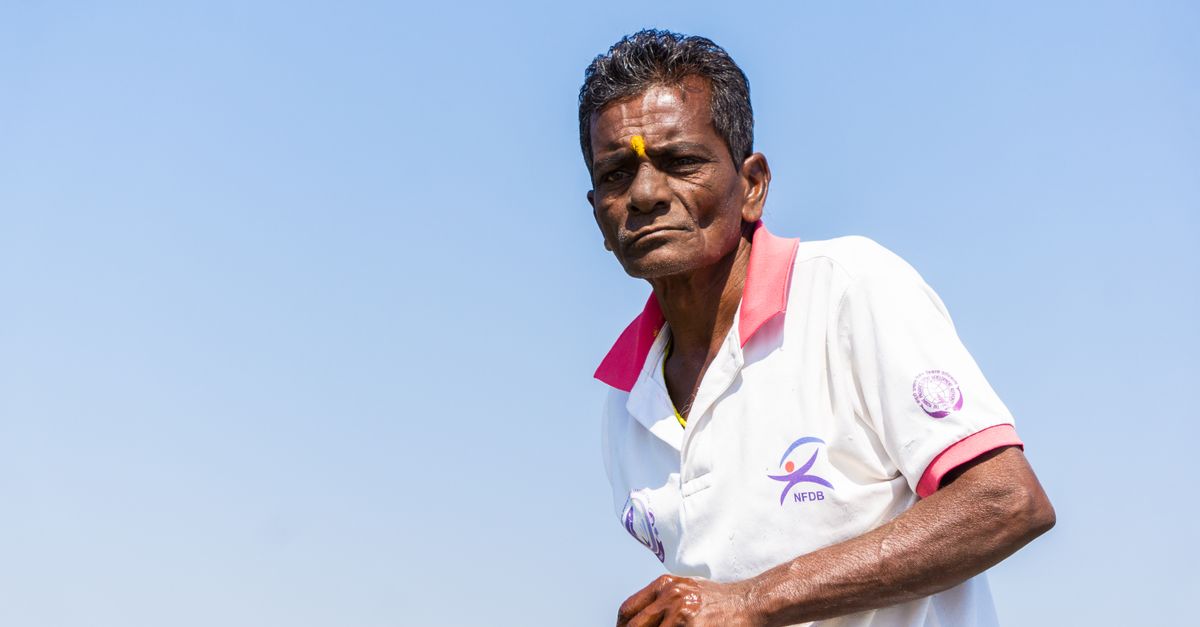
India's aging population requires specialist-led geriatric care rather than an increase in hospital numbers.
As India's population ages rapidly, the need for specialized geriatric care has become increasingly urgent. With over 138 million people aged 60 and above, the country faces a unique healthcare challenge that cannot be solved merely by building more hospitals.
The Rise of India's Aging Population
According to the United Nations, India's elderly population is expected to reach 319 million by 2050. This demographic shift underscores the necessity for healthcare systems to adapt, focusing on the specific needs of older adults. While hospitals play a crucial role in healthcare delivery, they cannot address the comprehensive needs of the elderly without specialized geriatric services.
The Importance of Specialist-Led Geriatric Care
Geriatric care specialists are trained to manage the complex health issues that often accompany aging, such as chronic diseases, mobility issues, and cognitive decline. These professionals provide tailored care plans that consider the unique physiological changes in older patients. Dr. Anjali Kumar, a geriatrician in New Delhi, emphasizes that, "Elderly patients require a different approach to treatment, focusing on quality of life and functional independence."
Challenges in Implementing Geriatric Care
Despite the clear need, India faces significant barriers to implementing widespread geriatric care. There is a shortage of trained geriatricians, with many medical professionals lacking the specialized knowledge to adequately care for older adults. Additionally, healthcare infrastructure in rural areas often lacks the resources to provide comprehensive geriatric services.
Financial constraints also pose a challenge. Many elderly individuals in India do not have health insurance, and out-of-pocket expenses can be prohibitive. This financial burden highlights the necessity for government intervention and policy reforms to make geriatric care more accessible.
Policy and Infrastructure Recommendations
Experts suggest several strategies to improve geriatric care in India. Increasing the number of geriatric specialists through targeted medical education programs is crucial. Additionally, integrating geriatric care into primary healthcare systems can ensure wider access. The government could play a pivotal role by providing incentives for medical professionals to specialize in geriatrics and by implementing policies that support elder care infrastructure.
Community-based programs and telemedicine are also promising avenues. These approaches can deliver care to rural and underserved populations, where traditional healthcare facilities may be lacking. By leveraging technology and community resources, India can provide more comprehensive care without the need for extensive hospital infrastructure.
In conclusion, while more hospitals can improve healthcare access, they are not a panacea for the aging population's needs. Specialized geriatric care, supported by policy reforms and innovative delivery models, is essential to ensure the well-being of India's elderly.