
India's Elderly Face Rising Challenges with Multiple Chronic Conditions
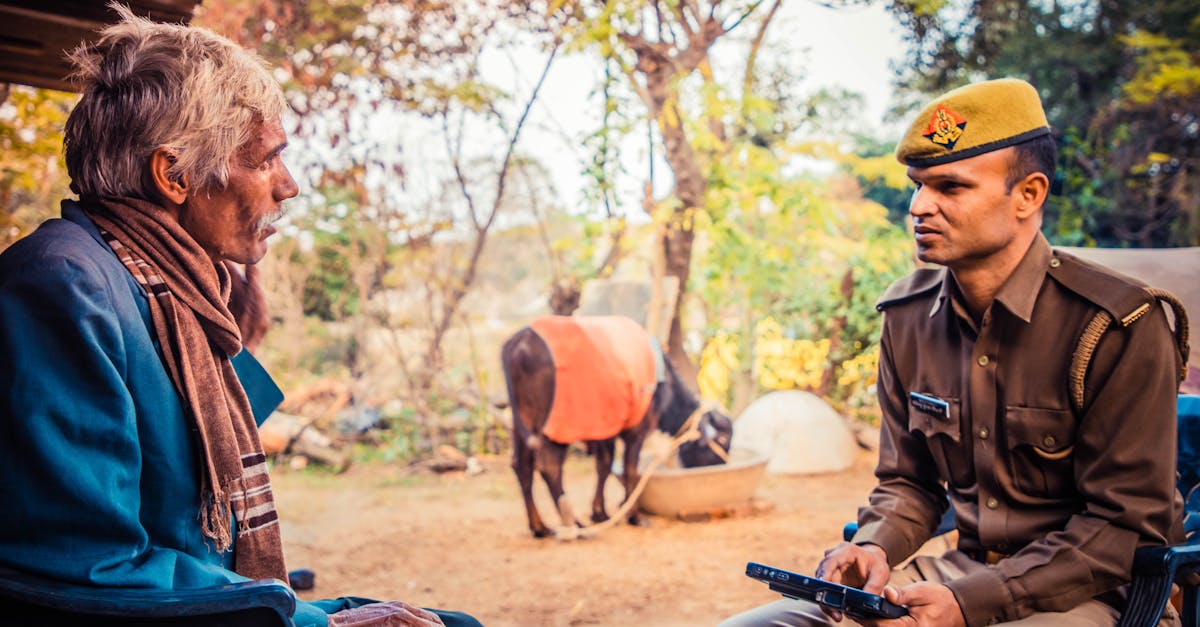
India's aging population is increasingly grappling with multiple chronic conditions, straining healthcare resources and family support systems.
As India’s population ages, a growing number of elderly individuals are contending with multiple chronic conditions (MCCs), presenting significant challenges for healthcare systems and families alike. The prevalence of MCCs among the elderly highlights the urgent need for comprehensive health strategies and better resource allocation to manage this demographic shift effectively.
The Growing Prevalence of MCCs
Recent studies indicate that more than half of India’s elderly population suffers from at least two chronic conditions, such as diabetes, hypertension, and arthritis. According to the Longitudinal Aging Study in India (LASI), nearly 75 million people over the age of 60 are affected, with many experiencing three or more chronic illnesses. This trend is not only a testament to improved life expectancy but also a reflection of changing lifestyles and increased urbanization.
Experts suggest that the rise in MCCs is partly due to lifestyle factors including sedentary behavior, poor diet, and increased stress levels. Urbanization has also brought about changes in traditional family structures, reducing the support systems that once played a crucial role in elder care.
Healthcare System Under Pressure
The surge in MCCs among the elderly is straining India’s healthcare infrastructure, which is already grappling with limited resources and uneven access across urban and rural areas. Public health facilities are often ill-equipped to handle the complex needs of patients with multiple conditions, leading to fragmented care and increased burden on families.
Furthermore, the high out-of-pocket expenditure for healthcare services exacerbates the financial strain on families, often pushing them into poverty. The government’s Ayushman Bharat scheme aims to provide healthcare coverage for the underprivileged, yet its reach and effectiveness remain limited, particularly for chronic disease management.
Impact on Families and Caregivers
The impact of MCCs extends beyond the individuals affected, placing a significant emotional and financial burden on families and caregivers. With traditional joint family systems declining, many elderly individuals find themselves relying on hired caregivers or institutional care, which can be both costly and emotionally taxing.
Moreover, caregivers often face burnout due to the demands of managing multiple health conditions, underscoring the need for better support systems and respite care options. Community-based programs and support groups could play a pivotal role in alleviating the pressures on families while ensuring that elderly individuals receive consistent and compassionate care.
Policy and Innovation: Pathways to Improvement
Addressing the challenge of MCCs requires innovative policy approaches and collaboration between public and private sectors. Health policy experts advocate for integrating chronic disease management into primary healthcare, ensuring that elderly patients receive coordinated care tailored to their specific needs.
Telemedicine and digital health solutions are emerging as valuable tools in managing MCCs, offering remote monitoring and consultation services that can bridge the gap between healthcare providers and patients, particularly in rural areas. Additionally, enhanced training for healthcare professionals in geriatric care and chronic disease management is essential to improve care outcomes.
Dr. Anjali Gupta, a leading geriatrician, emphasizes, "We need to shift our focus towards preventive care and lifestyle interventions to curb the rise of chronic conditions among the elderly. By fostering a proactive healthcare culture, we can significantly reduce the burden on our healthcare system."
A Forward-Looking Approach
The rise of multiple chronic conditions among India’s elderly is a pressing issue that requires immediate attention and action. By adopting comprehensive healthcare strategies, fostering innovation, and enhancing support systems, India can better manage the health and well-being of its aging population. This approach will not only improve quality of life for the elderly but also ensure a sustainable healthcare system for future generations.