
India's Battle with Sanitation: Progress and Challenges
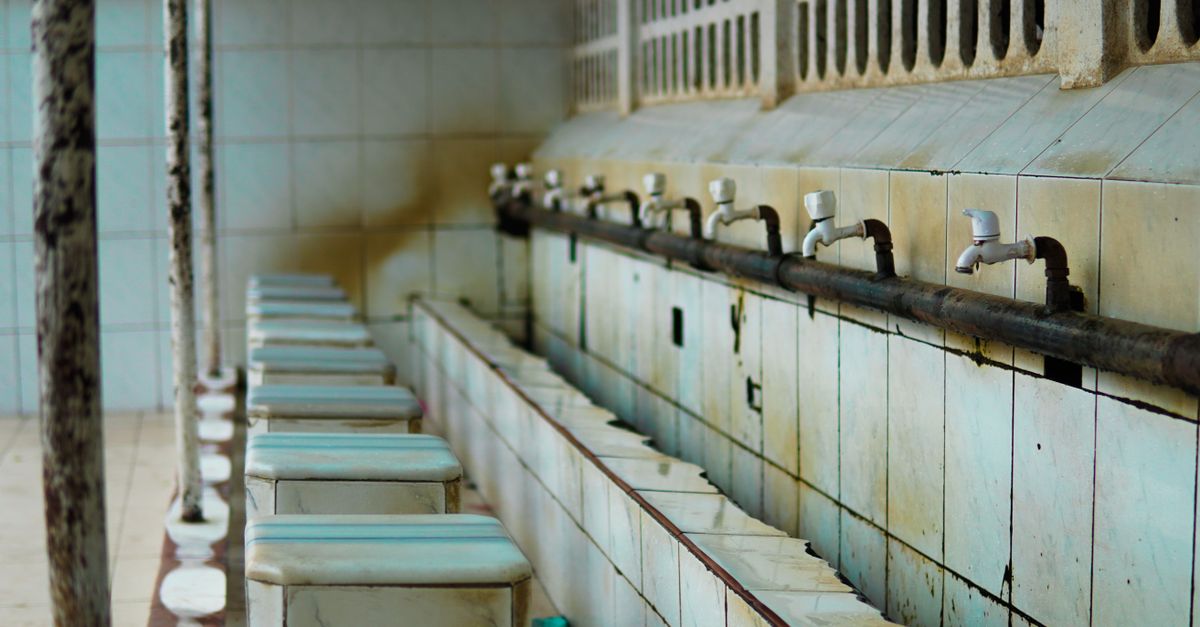
India's sanitation efforts have seen improvement, yet challenges remain. Examining the impact of government initiatives and cultural shifts on hygiene.
In 2014, India launched the ambitious Swachh Bharat Abhiyan (Clean India Mission), aiming to eliminate open defecation and improve public sanitation by 2019. While significant strides have been made, the journey towards comprehensive sanitation and hygiene remains fraught with challenges. As India tackles these issues, the interplay between government policy, infrastructure development, and cultural attitudes plays a crucial role in shaping outcomes.
The Swachh Bharat Revolution
The Swachh Bharat Abhiyan, initiated by Prime Minister Narendra Modi, marked a turning point in India’s sanitation narrative. The campaign sought to construct millions of toilets across urban and rural areas, with a focus on behavior change and public awareness. By 2019, reports indicated that the mission succeeded in making India open defecation free (ODF) in many regions, with over 100 million toilets built.
Despite these achievements, critics argue that declaring areas ODF does not account for the continued practice of open defecation due to non-functional toilets or socio-cultural habits. The true success of the initiative lies not only in infrastructure but also in changing long-standing behaviors and ensuring maintenance of these facilities.
Infrastructure vs. Behavior Change
Building toilets is just the beginning. Ensuring their use and maintenance requires a shift in community attitudes and an understanding of the health implications of poor sanitation. In many rural areas, traditional beliefs and a lack of understanding about hygiene contribute to resistance against using toilets. Educational programs aimed at changing these mindsets are essential, yet they often face hurdles in reaching the most remote and conservative communities.
Moreover, infrastructure maintenance is a significant concern. Many newly constructed toilets suffer from neglect, with issues such as lack of water supply, inadequate sewage systems, and poor waste management. Without addressing these problems, the initial investment in sanitation infrastructure may not yield sustainable long-term benefits.
Cultural and Economic Barriers
Sanitation in India is deeply intertwined with cultural norms and economic realities. In densely populated urban slums, space constraints and poverty make it challenging to build and maintain adequate sanitation facilities. Here, communal toilets often become overburdened, leading to unhygienic conditions that negate efforts to improve public health.
In rural regions, caste dynamics can also influence access to sanitation facilities. Lower-caste individuals often face discrimination that restricts their access to public or shared toilets, perpetuating cycles of poor hygiene. Tackling these deep-rooted social issues requires a multifaceted approach that combines policy intervention with grassroots community engagement.
Innovative Solutions on the Horizon
To overcome these challenges, India is turning to innovative solutions that combine technology and community involvement. Mobile technology is increasingly used to monitor sanitation program implementation and engage with local populations. Apps that track toilet usage and maintenance help authorities identify problematic areas and allocate resources effectively.
Additionally, community-led initiatives that empower local leaders to champion hygiene practices are proving successful. These programs encourage local ownership of sanitation projects, fostering a sense of responsibility and pride in maintaining clean environments.
The Road Ahead
India's quest for improved sanitation and hygiene is far from over. The government continues to push for greater investment in sanitation infrastructure while emphasizing the importance of education and cultural change. As India progresses, the lessons learned from its sanitation efforts could serve as a model for other nations grappling with similar challenges.
Ultimately, the success of India's sanitation mission will depend on its ability to balance infrastructure development with sustained behavior change and cultural adaptation. As the nation moves forward, the commitment to sanitation must remain steadfast to ensure a healthier future for all its citizens.