
India's AI Cancer Platform Highlighted in BRICS Health Journal
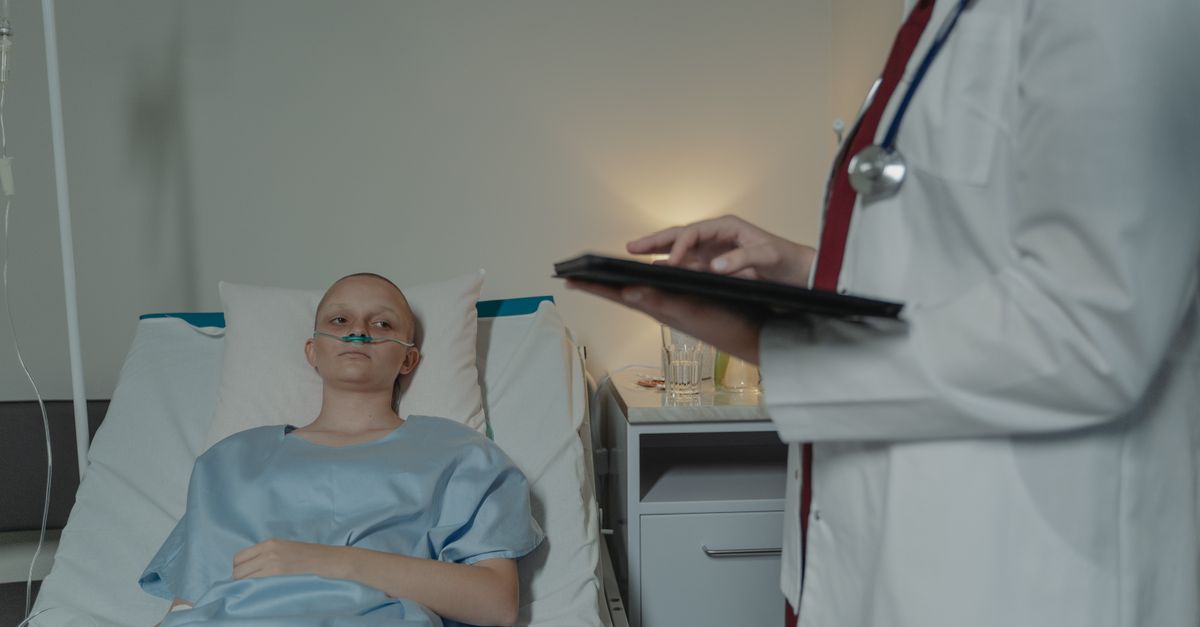
iOncology.ai, developed by AIIMS and C-DAC, gains attention at BRICS Summit for its potential in transforming cancer care.
The BRICS Health Journal has featured iOncology.ai, an Indian AI platform designed to enhance cancer care, in its latest issue unveiled during the BRICS Summit held from September 12-13. Developed collaboratively by the All India Institute of Medical Sciences (AIIMS), New Delhi, and the Centre for Development of Advanced Computing (C-DAC), Pune, with backing from the Ministry of Electronics and Information Technology, the platform aims to integrate clinical data to improve early detection and treatment of cancer.
Innovative Approach to Cancer Care
iOncology.ai is intended to streamline cancer-related clinical processes, including early detection, risk stratification, and treatment planning. The platform is currently undergoing pilot-stage clinical validation to assess its effectiveness in a clinical setting. Dr. Ashok Sharma, one of the lead researchers from AIIMS, emphasized the platform's potential to bridge cancer-care disparities in the Global South, leveraging BRICS collaboration to enhance cancer prevention and treatment through evidence-based solutions tailored for emerging economies.
Addressing Global Cancer Challenges
The review titled “Transforming cancer care in emerging economies: India’s AI innovation” highlights the critical role AI could play in strengthening cancer screening and diagnosis. According to the review, BRICS nations represent over 40% of the global population and face approximately 9 million new cancer cases annually, with significant disparities in access to care.
iOncology.ai is part of India's broader cancer-control and digital-health initiatives, which include population screening and the Ayushman Bharat Digital Mission. The platform currently utilizes curated datasets from Indian clinical, radiological, and histopathological sources, with plans to incorporate genetic data and integrate with electronic health-record systems.
Future Prospects and Challenges
Despite its promise, iOncology.ai has not yet been clinically validated, and its diagnostic accuracy and clinical utility require further research. The platform is currently in a research phase, with plans for prospective multicentre validation before it can be widely adopted in clinical settings.
Dr. Sharma highlighted the importance of developing interoperable solutions that empower clinicians and enable smarter cancer care, particularly in resource-limited settings. The initiative underscores India's commitment to advancing healthcare technology and addressing global health challenges through innovation.