
Indian Medical Device Industry Rejects Pharma-Like Regulation in Draft Bill
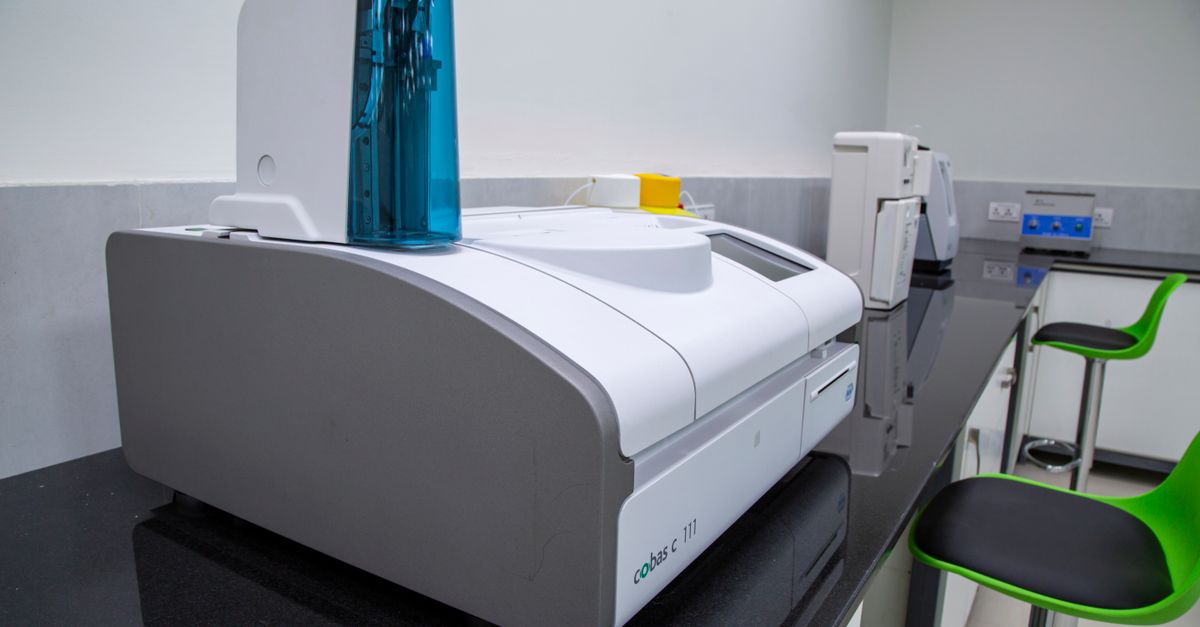
India's medical device sector opposes a draft bill treating devices as pharmaceuticals, citing risks to innovation and global competitiveness.
India's medical device industry is pushing back against a proposed legislative framework that would categorize medical devices similarly to pharmaceuticals. Industry groups argue that the draft Drugs, Medical Devices and Cosmetics Bill, 2026, could stifle innovation and investment, potentially hindering the country's ambition to become a global hub for medical device production.
Concerns Over Regulatory Approach
The draft bill, currently under inter-ministerial review, has drawn criticism from various stakeholders, including manufacturers, healthcare providers, and patient safety organizations. These groups have collectively appealed to the Union Health Minister, urging a reconsideration of the draft's provisions. They argue that the bill fails to account for the fundamental differences between medical devices and pharmaceuticals, both in terms of engineering and regulatory requirements.
In their letter dated August 8, industry representatives stressed that the bill's language and penalties are excessively influenced by pharmaceutical regulations. Terms like "adulterated," "spurious," and "misbranded" are commonly associated with drug regulations but are not appropriate for medical devices, which are typically governed by engineering standards and risk-based assessments.
Potential Impact on Innovation and Investment
Industry stakeholders warn that the draft bill's punitive measures, which include imprisonment for regulatory lapses such as labeling errors and documentation mistakes, could deter innovation and investment. "Globally, medical devices are regulated through risk-based conformity assessments, quality management systems, post-market surveillance, and recalls, not imprisonment," a representative stated, contrasting the draft bill's approach with international norms.
Currently, regions like the European Union, the United States, Japan, the United Kingdom, and Australia employ administrative enforcement rather than criminal penalties for regulatory non-compliance in the medical device sector. The industry fears that adopting a pharma-centric regulatory model could drive manufacturers to relocate their operations to more favorable markets.
Call for a Distinct Regulatory Framework
Experts and industry leaders emphasize the need for a regulatory framework that acknowledges the unique nature of medical devices. They argue that aligning regulations with international standards would not only boost domestic manufacturing but also enhance India's competitiveness in the global market.
The draft bill aims to replace the existing 86-year-old law governing pharmaceuticals in India. However, without distinct provisions for medical devices, stakeholders fear it could undermine recent efforts to promote the sector's growth. The industry's appeal to the government underscores a critical juncture in shaping policies that impact the future of healthcare innovation and manufacturing in India.