
Indian Medical Device Firms Oppose Draft Bill Over Pharma Parallels
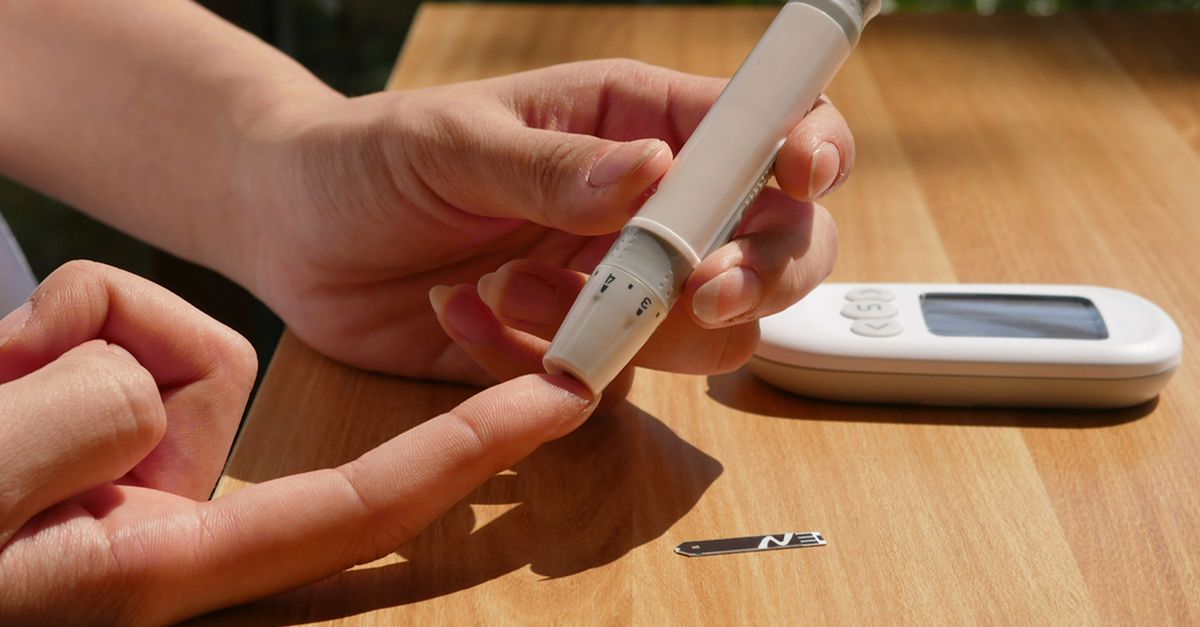
Indian medical device makers argue against a draft bill treating devices like drugs, citing risks to innovation and investment.
India's medical device industry, along with healthcare providers and patient safety groups, is voicing strong opposition to the proposed Drugs, Medical Devices and Cosmetics Bill, 2026. The draft legislation, which seeks to regulate medical devices similarly to pharmaceuticals, has sparked concern among stakeholders who fear it could stifle innovation, deter investment, and impede manufacturing growth.
Concerns Over Regulatory Approach
In a letter addressed to the Union health minister dated August 8, several associations representing manufacturers, traders, and healthcare providers have expressed their apprehension regarding the draft bill. They argue that the bill fails to establish an appropriate regulatory framework for the medical device sector, which is distinct from pharmaceuticals. These groups emphasize that medical devices are engineering products and should not be subjected to the same regulatory standards as drugs.
The draft bill's language, which includes terms such as "adulterated," "spurious," and "misbranded," mirrors pharmaceutical regulations and introduces criminal penalties for infractions. Industry representatives argue that these penalties, which include imprisonment for labeling errors, documentation lapses, and other administrative issues, are excessive and could deter investment and innovation. They point out that such punitive measures are not common in other regions like the EU, where administrative enforcement is more prevalent.
Push for a Distinct Regulatory Framework
The industry's letter highlights the need for a regulatory framework that acknowledges the scientific and engineering differences between medical devices and pharmaceuticals. Globally, medical devices are regulated through risk-based conformity assessments, quality management systems, post-market surveillance, and recall procedures rather than criminal penalties. The draft bill's approach, they argue, is inconsistent with practices in countries such as the United States, Japan, and Australia, where regulatory focus is on ensuring safety and efficacy through administrative means.
The proposed legislation seeks to replace the existing 86-year-old law governing pharmaceutical regulations in India. However, stakeholders fear that by not adequately differentiating between drugs and medical devices, the bill could undermine India's position as a potential global hub for medical device manufacturing and innovation. They urge the government to reconsider the draft's provisions to foster a conducive environment for growth and competitiveness in the medical devices sector.
Industry's Call for Dialogue
As the draft bill undergoes inter-ministerial consultation, industry leaders are calling for a dialogue with the government to address their concerns. They advocate for a balanced approach that ensures patient safety while also promoting innovation and investment in the medical devices sector. The outcome of these discussions could significantly impact the future trajectory of India's medical device industry, which is poised for substantial growth.