
Indian AI Platform for Cancer Care Gains Spotlight in BRICS Journal
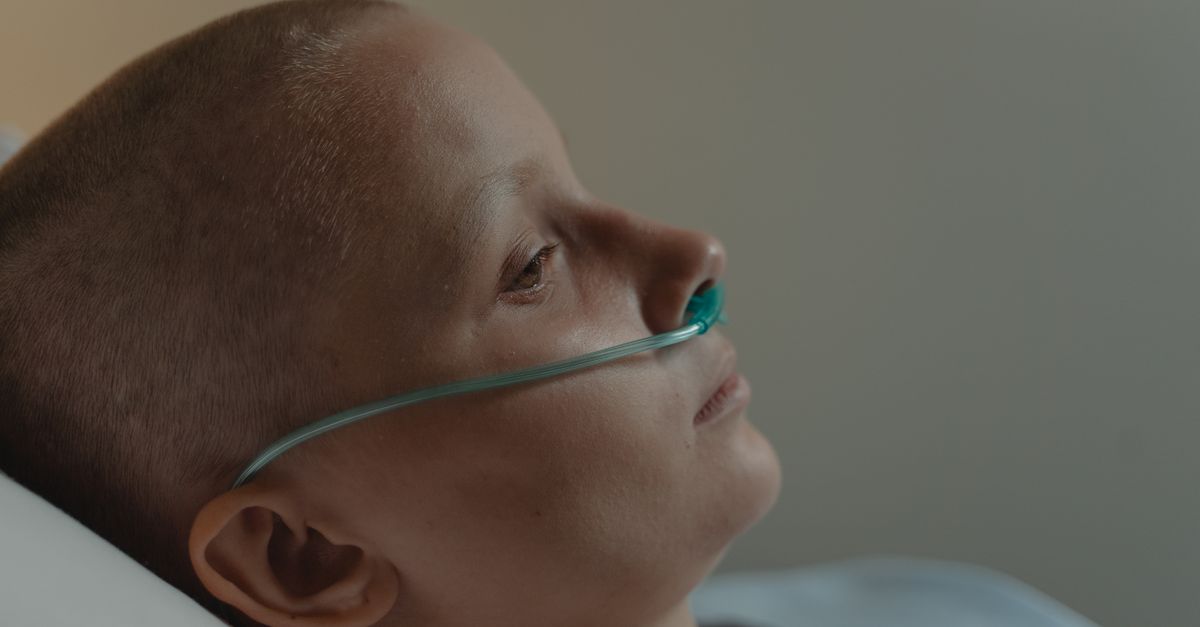
iOncology.ai, an AI platform from AIIMS and C-DAC, is featured in a BRICS journal for its potential to transform cancer care in emerging economies.
An Indian artificial intelligence platform, iOncology.ai, developed to enhance cancer care, has been featured in a special issue of the BRICS Health Journal. This recognition coincides with the BRICS Summit held on September 12-13, where the journal was officially presented.
Collaboration and Development
iOncology.ai is a joint effort by the All India Institute of Medical Sciences (AIIMS) in New Delhi and the Centre for Development of Advanced Computing (C-DAC) in Pune, supported by the Ministry of Electronics and Information Technology. The platform aims to integrate clinical data for improved cancer screening, early diagnosis, and treatment planning.
The review titled “Transforming cancer care in emerging economies: India’s AI innovation,” authored by Ashok Sharma and his team, highlights how AI can bolster cancer care accessibility and efficiency. The platform is currently in the pilot stage for clinical validation and implementation evaluation.
Addressing Global Health Disparities
Dr. Ashok Sharma emphasized the platform's potential to bridge cancer-care gaps in the Global South. “Through BRICS collaboration, our focus should be on strengthening cancer prevention, early diagnosis, treatment, and therapy through evidence-based, interoperable solutions tailored to the needs of emerging economies,” he stated. The goal is to provide equitable cancer care, especially in resource-limited settings.
BRICS nations, comprising over 40% of the world's population, face significant cancer-related challenges, with approximately 9 million new cases and 4.66 million deaths annually. The review underscores the disparities in cancer patterns and access to care across these countries.
Future Prospects and Current Limitations
The platform leverages curated Indian clinical, radiological, and histopathological datasets, with plans to include genetic data and integrate with electronic health-record systems. However, iOncology.ai is still in research mode and lacks peer-reviewed evidence for its diagnostic accuracy and clinical utility, necessitating further multicentre validation before widespread clinical application.