
India-US Pharmaceutical Trade: A Future of Innovation and Growth
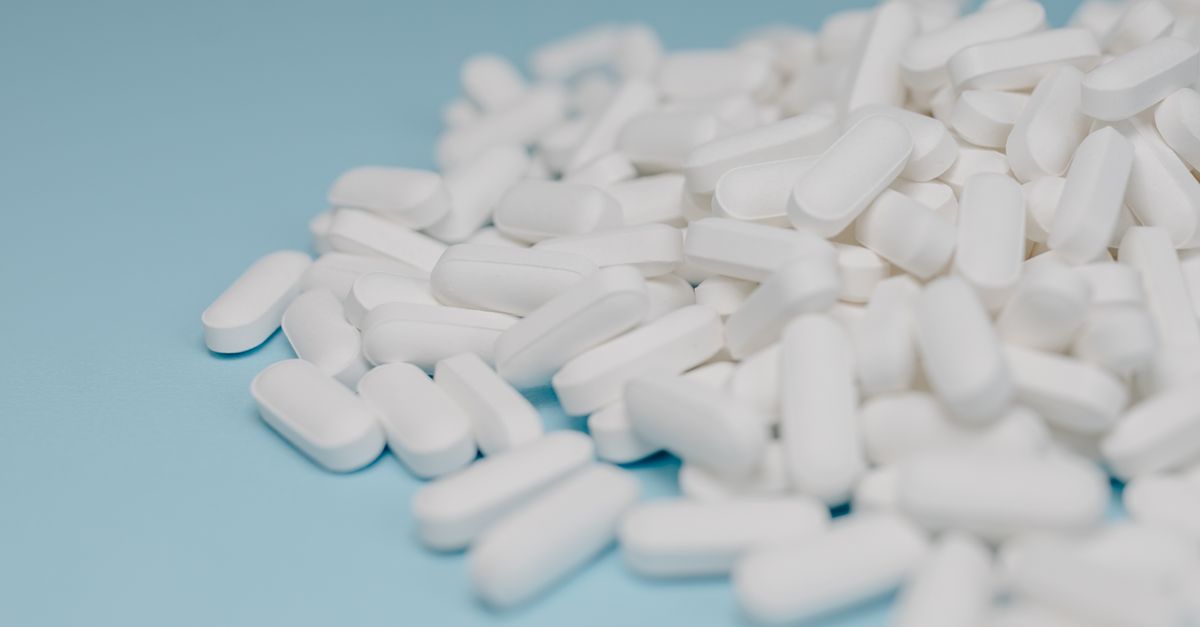
India and the US are poised to redefine pharmaceutical trade, emphasizing innovation and collaboration.
The India-US pharmaceutical relationship stands at a pivotal juncture, poised for transformation and growth. Both nations have been key players in the global pharmaceutical market, with India known for its generic drug production and the US for its innovative drug development. As the world grapples with increasing healthcare demands, the potential for deeper collaboration between these two powerhouses could lead to significant advancements in drug accessibility and innovation.
Why India Matters in the Global Pharmaceutical Arena
India, often dubbed the 'pharmacy of the world', holds a dominant position in the global pharmaceutical supply chain. According to the Indian Brand Equity Foundation, India is the largest provider of generic drugs globally, accounting for 20% of global exports in terms of volume. The country's pharmaceutical industry is valued at approximately $42 billion and is expected to grow to $65 billion by 2024. This robust growth is driven by India's cost-effective manufacturing capabilities and a skilled workforce.
Moreover, India's regulatory landscape is evolving, with the government implementing policies to bolster research and development. The introduction of initiatives like the Production Linked Incentive (PLI) scheme aims to enhance the domestic manufacturing infrastructure and reduce dependency on foreign imports, particularly from China.
US Interests and Opportunities in Indian Pharma
The United States, with its advanced research capabilities and substantial pharmaceutical market, stands to benefit significantly from a strengthened partnership with India. American pharmaceutical companies are increasingly investing in Indian ventures to tap into its vast market potential and cost efficiencies. In 2022, bilateral trade in pharmaceuticals between the two countries reached approximately $9 billion, highlighting the growing economic ties.
US-based companies are also exploring collaborative research opportunities with Indian firms, particularly in areas like biosimilars and novel drug delivery systems. These collaborations are not only economically beneficial but also strategically important as they allow access to a broader range of healthcare solutions and innovation pipelines.
Regulatory Harmonization: A Key to Success
One of the primary challenges in India-US pharmaceutical trade is regulatory harmonization. Differences in regulatory standards can create barriers to market entry and increase the time and cost of drug approval processes. However, both countries have shown a commitment to aligning their regulatory frameworks to facilitate smoother trade relations.
In recent years, the US Food and Drug Administration (FDA) and India's Central Drugs Standard Control Organization (CDSCO) have engaged in dialogue to streamline regulatory processes. The adoption of mutual recognition agreements and collaborative inspections could significantly reduce redundancies and accelerate the introduction of new therapies to the market.
Innovation and the Path Forward
Looking to the future, innovation will be at the heart of India-US pharmaceutical collaboration. The focus is increasingly shifting towards biopharmaceuticals, personalized medicine, and the use of artificial intelligence in drug discovery. Indian companies like Biocon and Dr. Reddy's Laboratories are already making strides in these areas, often in partnership with US firms.
The COVID-19 pandemic underscored the necessity for rapid and collaborative research efforts. Vaccines and therapeutics developed through India-US partnerships played a crucial role in the global response to the pandemic, setting a precedent for future collaboration on emerging health threats.
As both nations continue to navigate the complexities of pharmaceutical trade, the emphasis will likely be on fostering an ecosystem that supports innovation, reduces regulatory hurdles, and enhances patient access to affordable medicines. The potential for future growth and development is immense, promising a new era of pharmaceutical advances and global health improvements.