
India's Shift Toward Preventive Screenings: A Necessary Transformation
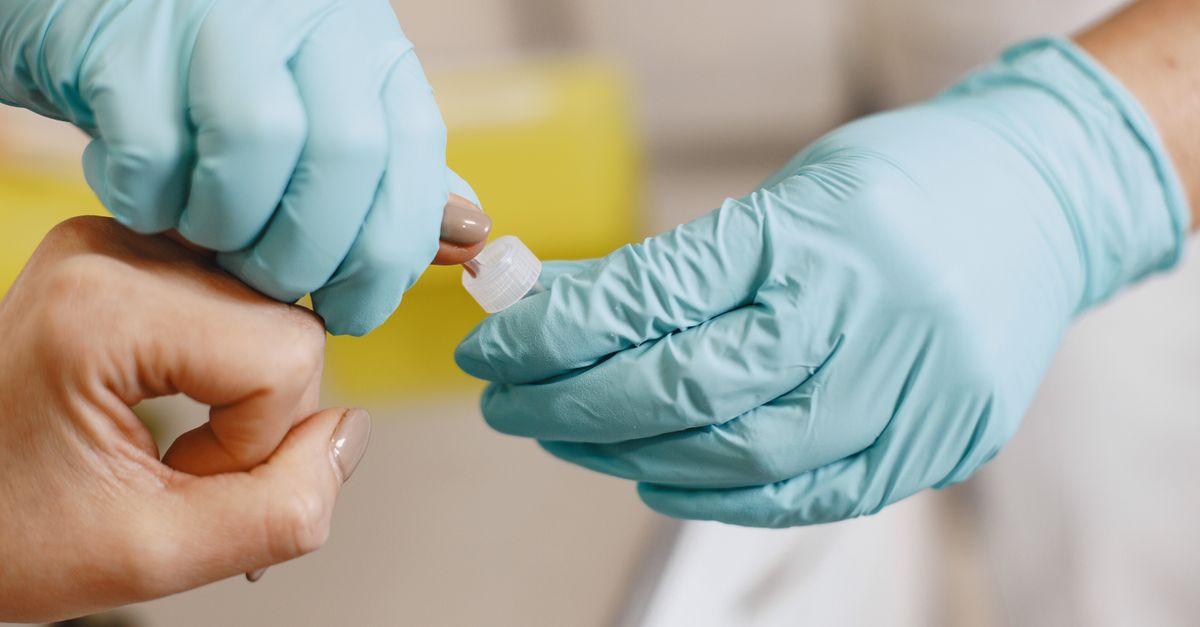
Preventive screenings in India are gaining traction, addressing early detection and reducing disease burden.
In the rapidly evolving healthcare landscape of India, preventive screenings are emerging as a cornerstone of public health strategy. With a burgeoning population exceeding 1.4 billion, the country faces unique challenges in managing healthcare resources effectively. As lifestyle diseases rise and healthcare costs soar, the emphasis on early detection through preventive screenings has never been more critical.
Why Early Detection Matters More Than Ever
Traditionally, healthcare in India has leaned heavily towards curative care, with resources primarily allocated to treating existing illnesses. However, this reactive approach is increasingly unsustainable. Non-communicable diseases (NCDs) such as diabetes, hypertension, and cancer account for more than 60% of total deaths in India, according to the World Health Organization. Early detection of these conditions through regular screenings can significantly reduce mortality rates and healthcare costs.
For instance, breast cancer screenings using mammography can lead to a 20% reduction in mortality by catching the disease in its nascent stages. Similarly, regular blood pressure and glucose level checks can preempt the severe complications of hypertension and diabetes. The importance of these screenings is underscored by the fact that many NCDs remain asymptomatic until they reach an advanced stage, making early detection a game-changer.
Government Initiatives and Policy Shifts
The Indian government has recognized the need to pivot towards preventive care. Programs like the National Programme for Prevention and Control of Cancer, Diabetes, Cardiovascular Diseases and Stroke (NPCDCS) aim to integrate NCD screenings into the primary healthcare system. These initiatives focus on community-based screenings, allowing for early intervention and management of diseases before they become life-threatening.
Moreover, the Ayushman Bharat scheme, launched in 2018, includes health and wellness centers that provide free screenings and early treatment for common ailments. This policy shift is crucial in reaching underserved populations who may not have access to regular healthcare services. By investing in preventive measures, the government aims to alleviate the financial burden of treatment on both individuals and the healthcare system at large.
Private Sector's Role in Expanding Access
While government initiatives lay the foundation, the private sector plays a significant role in expanding access to preventive screenings. Hospitals and diagnostic centers are increasingly offering packages that bundle multiple screenings, making them more affordable and accessible. Companies like Apollo Hospitals and Fortis Healthcare have introduced wellness packages that encourage routine check-ups as a part of a healthy lifestyle.
Furthermore, digital health startups are leveraging technology to widen the reach of preventive care. Platforms like Practo and 1mg offer home-based testing services, allowing individuals to get screened without visiting a healthcare facility. These innovations are crucial in a country where geographic and economic barriers often hinder access to healthcare.
Challenges and the Road Ahead
Despite the evident benefits, several challenges impede the widespread adoption of preventive screenings in India. Awareness and education remain significant hurdles, as many individuals are unaware of the importance of regular check-ups. Cultural attitudes towards healthcare, where people often seek medical help only when symptomatic, also need to be addressed.
Moreover, logistical issues like the shortage of trained healthcare professionals and inadequate infrastructure in rural areas pose significant obstacles. To overcome these, India needs a multi-faceted approach that includes community education campaigns, improved healthcare delivery models, and strategic partnerships between public and private sectors.
As India continues to grapple with its healthcare challenges, the shift towards preventive screenings represents a necessary and transformative change. By investing in early detection, the nation not only reduces the burden on its healthcare system but also enhances the quality of life for its citizens. As Dr. Devi Shetty, a renowned cardiac surgeon, aptly puts it, "Prevention is better than cure. It's time we make it the mantra of our healthcare system."