
India’s Maternal Healthcare: Bridging Quality Over Access
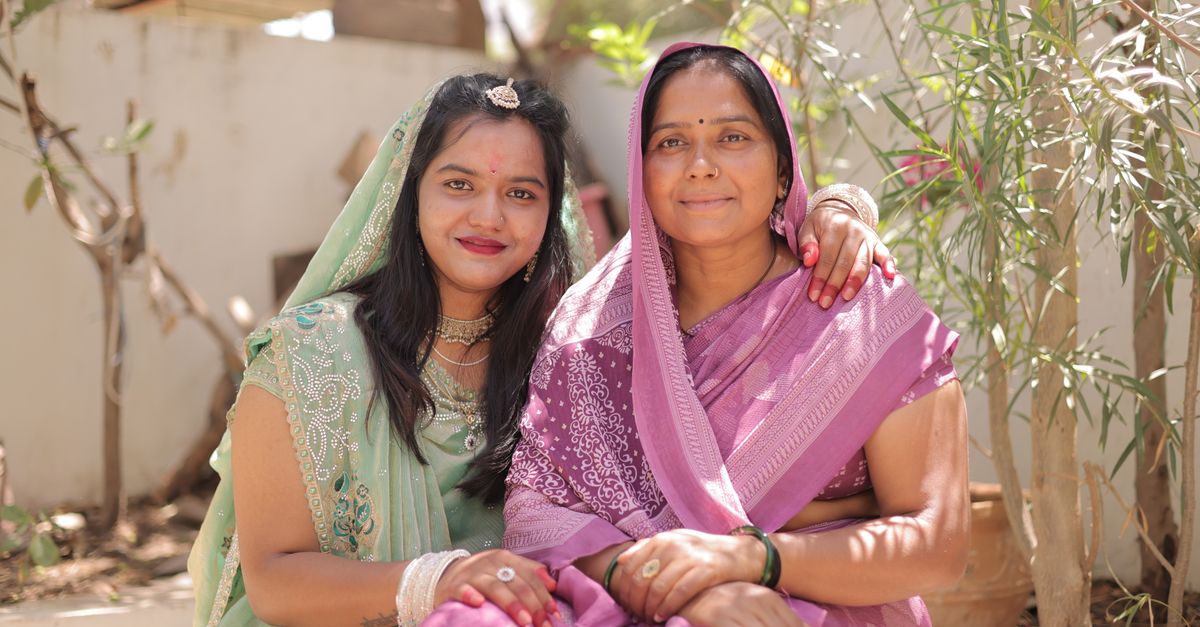
India faces a maternal health crisis not just due to access issues, but due to the pressing need for better care quality.
India, a nation marked by its rapid economic growth and technological advancements, is still grappling with a persistent maternal healthcare crisis. While significant strides have been made in improving access to healthcare facilities, the quality of care remains a glaring deficiency that threatens maternal and infant health. This issue goes beyond mere availability of services and delves into the heart of service delivery: competence, empathy, and infrastructure.
Why Access Alone Isn’t Enough
In recent years, India has made commendable efforts to enhance healthcare access through initiatives like the Janani Suraksha Yojana, which incentivizes institutional deliveries. The number of women who deliver in healthcare facilities has increased significantly. However, the quality of care in these facilities often remains subpar. According to a 2020 report by the World Health Organization, many of these facilities lack basic amenities and trained personnel, reducing the potential impact of increased access.
The Quality Deficit in Indian Healthcare
A 2021 study published in The Lancet highlighted that while over 80% of Indian women now give birth in institutions, the country still records one of the highest maternal mortality rates globally. This paradox can be attributed largely to poor quality of care. Inadequate training of healthcare providers, shortage of essential medical supplies, and lack of emergency obstetric services contribute significantly to preventable maternal deaths.
Furthermore, the disparities in healthcare quality are stark between urban and rural areas. Urban centers are more likely to have better-equipped hospitals and more specialized staff, whereas rural areas often rely on primary health centers that are ill-prepared to handle complications, which are critical in maternal healthcare.
The Role of Skilled Personnel
Central to improving healthcare quality is the availability of skilled healthcare providers. However, India faces a shortage of qualified obstetricians and gynecologists, particularly in rural regions. The physician-to-patient ratio in many rural areas is alarmingly low, leading to overworked staff who may not be able to provide adequate care. This shortage exacerbates the risk of complications during delivery and postpartum periods.
Training programs need to focus not only on increasing the number of healthcare professionals but also on enhancing their skills and competencies. Continuous professional development and upskilling initiatives are crucial to ensure that healthcare providers can deliver high-quality care consistently.
Infrastructure and Equipment Challenges
Another major barrier to quality maternal healthcare is the lack of adequate infrastructure and medical equipment. Many facilities, particularly in rural areas, struggle with outdated equipment and insufficient medical supplies. This affects their ability to provide comprehensive care, including essential emergency interventions. The government's investment in healthcare infrastructure needs to be more strategic, ensuring that resources are allocated where they are most needed.
A Path Forward: Policy and Innovation
Addressing the quality gap in maternal healthcare requires a multi-faceted approach. Policymakers must prioritize healthcare quality alongside access, ensuring that facilities are not only available but also equipped to provide excellent care. Strengthening health systems through better funding, improved infrastructure, and robust training programs is essential. Additionally, leveraging technology can play a transformative role. Telemedicine, mobile health solutions, and AI-driven diagnostics offer promising avenues to bridge the quality gap, especially in remote areas.
Ultimately, the goal should be to create a healthcare environment where every woman receives compassionate, competent care regardless of her geographical location. As Dr. Soumya Swaminathan, Chief Scientist at WHO, noted, "Improving maternal health is not just about access; it's about dignity, respect, and quality care that every woman deserves."