
India's Healthcare Struggle with Multiple Chronic Diseases
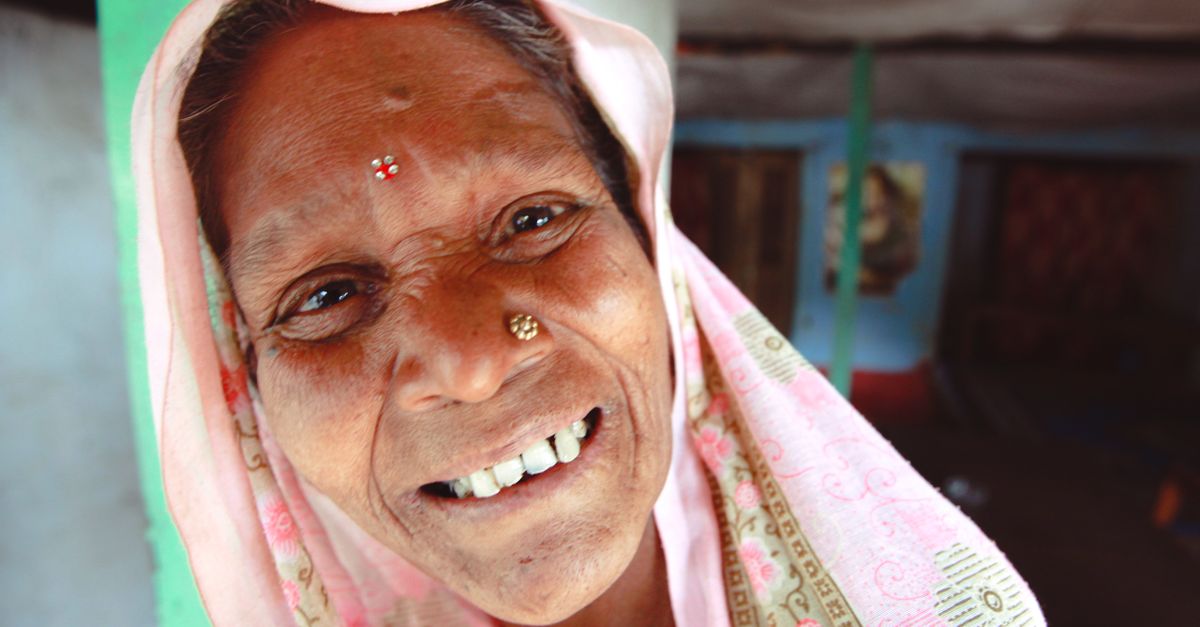
India faces a rising challenge in managing patients with multiple chronic diseases, requiring urgent systemic and policy interventions.
As India strides towards becoming a global powerhouse, its healthcare system grapples with a daunting challenge: managing the growing number of patients with multiple chronic diseases. With over 20% of the adult population suffering from at least two chronic conditions, according to the Indian Council of Medical Research (ICMR), the strain on healthcare infrastructure is palpable.
The Growing Burden of Chronic Conditions
The landscape of chronic diseases in India has shifted dramatically over the past few decades. Once dominated by infectious diseases, the country now faces a dual burden that includes a rising prevalence of conditions such as diabetes, hypertension, and cardiovascular diseases. These ailments are not just prevalent; they often coexist, complicating treatment protocols. A report by the Public Health Foundation of India highlights that over 60 million Indians are living with diabetes, with many also battling hypertension and other related disorders.
Systemic Challenges in Healthcare Delivery
India’s healthcare system, characterized by a mix of public and private entities, is ill-equipped to efficiently manage patients with multiple chronic conditions. Public hospitals, often overcrowded and underfunded, struggle to provide comprehensive care. Meanwhile, private healthcare is frequently inaccessible to the lower-income population due to high costs. As a result, patients frequently resort to self-medication or disengage from the healthcare system entirely, leading to poor health outcomes.
The shortage of healthcare professionals further exacerbates the issue. The World Health Organization (WHO) recommends a doctor-to-patient ratio of 1:1000, yet India lags with approximately 1:1450. This disparity highlights the pressing need for a more robust health workforce to cater to chronic disease management.
Innovative Solutions and Policy Interventions
To address these challenges, India must explore innovative solutions and policy reforms. Telemedicine, which gained traction during the COVID-19 pandemic, presents a viable option for managing chronic diseases, especially in rural areas where access to specialists is limited. Initiatives such as the National Digital Health Mission aim to streamline health data management, enabling more personalized and efficient patient care.
Moreover, health insurance reforms are crucial. Currently, less than 20% of the population is covered under any form of health insurance, limiting access to necessary treatments for chronic diseases. Expanding insurance coverage to include chronic disease management would alleviate some financial burdens and promote better health outcomes.
The Role of Education and Awareness
Public health education plays a critical role in managing chronic diseases. Increased awareness about lifestyle modifications —diet, exercise, and regular health check-ups— can prevent the onset of some chronic conditions and help manage others. The government, alongside non-governmental organizations, must invest in community-based programs that educate the public about chronic disease prevention and management.
Furthermore, integrating chronic disease management into the primary healthcare system can ensure early detection and treatment. Programs focusing on regular screenings and monitoring can help manage diseases before they progress to more severe stages.
A Forward-Looking Approach
India stands at a crossroads in its healthcare journey. By adopting a multifaceted approach that includes policy reforms, innovative healthcare delivery models, and robust public health education, the country can address the burgeoning challenge of managing multiple chronic diseases. As Health Minister Mansukh Mandaviya stated, "The future of India’s health lies in our ability to adapt and innovate. We must prioritize chronic disease management to ensure a healthier nation."