
Can India Emerge as a Front-runner in Global Biologics Production?
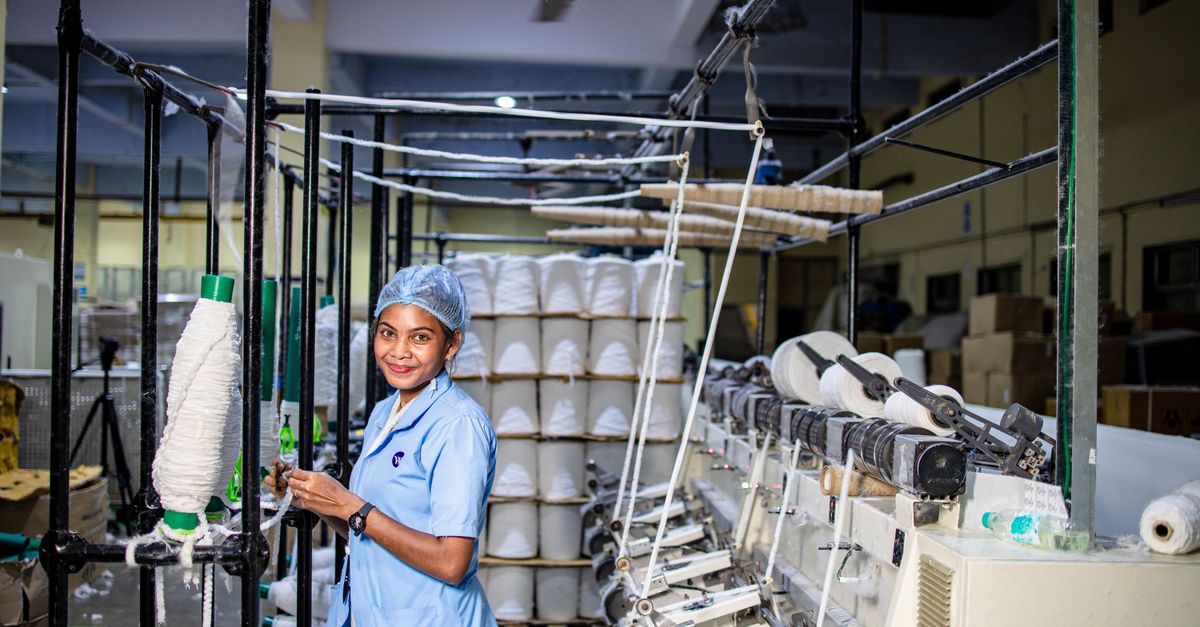
India is poised to challenge industry giants with its burgeoning biologics sector, driven by innovation and strategic investments.
In the race to dominate the biologics market, India is positioning itself not just as a participant but as a potential leader. With a strategic blend of government support, technological advancements, and robust pharmaceutical infrastructure, India is striving to capture a significant share of the global biologics industry, currently valued at over $250 billion.
The State of Biologics in India Today
Biologics, complex drugs derived from living cells, offer targeted treatments for various conditions, including cancer and autoimmune diseases. As of 2023, India hosts over 20 biologic manufacturing facilities approved by international regulatory bodies such as the US FDA and the European Medicines Agency. These facilities underpin India's rapidly growing capacity in producing biosimilars—generic versions of biologics.
Indian companies like Biocon and Dr. Reddy's Laboratories have taken significant strides by launching biosimilars in regulated markets. Biocon, for instance, has successfully marketed biosimilar versions of insulin and monoclonal antibodies, garnering substantial attention and market share globally.
Government Initiatives Fueling Growth
The Indian government has been proactive in nurturing the biologics sector. Initiatives like the 'Make in India' campaign and the Biotechnology Industry Research Assistance Council (BIRAC) are pivotal in providing financial assistance and fostering innovation. Additionally, the government has relaxed Foreign Direct Investment (FDI) norms, encouraging international collaboration and investment in the biologics space.
In 2022, the Indian government announced a $250 million fund dedicated to biotechnology, with a significant portion earmarked for biologics and biosimilars. Such initiatives aim to strengthen India's manufacturing capabilities and align them with global standards.
Challenges on the Path to Leadership
Despite these advancements, India faces several hurdles in becoming a global leader in biologics. Intellectual property rights, stringent regulatory requirements, and high R&D costs are key challenges. The complexity of biologics mandates rigorous and costly clinical trials, a barrier for many Indian companies primarily accustomed to the generic drugs market.
Moreover, the need for skilled talent and advanced technology in biomanufacturing remains acute. While India has a large pool of scientific talent, specialized training in biologics production is limited. Addressing these gaps is crucial for India to compete with established biologics powerhouses like the United States and Europe.
Future Prospects and Strategic Roadmap
To cement its place as a leader in the biologics sector, India must adopt a multi-faceted approach. Increasing investment in R&D, cultivating a skilled workforce, and enhancing regulatory frameworks are essential steps. Public-private partnerships can play a crucial role in bridging the gap between academia and industry, fostering innovation and research.
Furthermore, focusing on niche markets such as rare diseases, where biologics can offer unique solutions, might provide Indian companies an edge. Collaboration with global biotech firms for technological exchange and skill development could also accelerate India's growth trajectory in this sector.
As India continues to bolster its biologics capabilities, the global market is watching closely. With strategic investments and policy support, India could well transform from a biosimilars hub to a biologics leader, offering affordable and innovative healthcare solutions worldwide.