
India's Path to Resilience: Strengthening Disaster Preparedness in Health
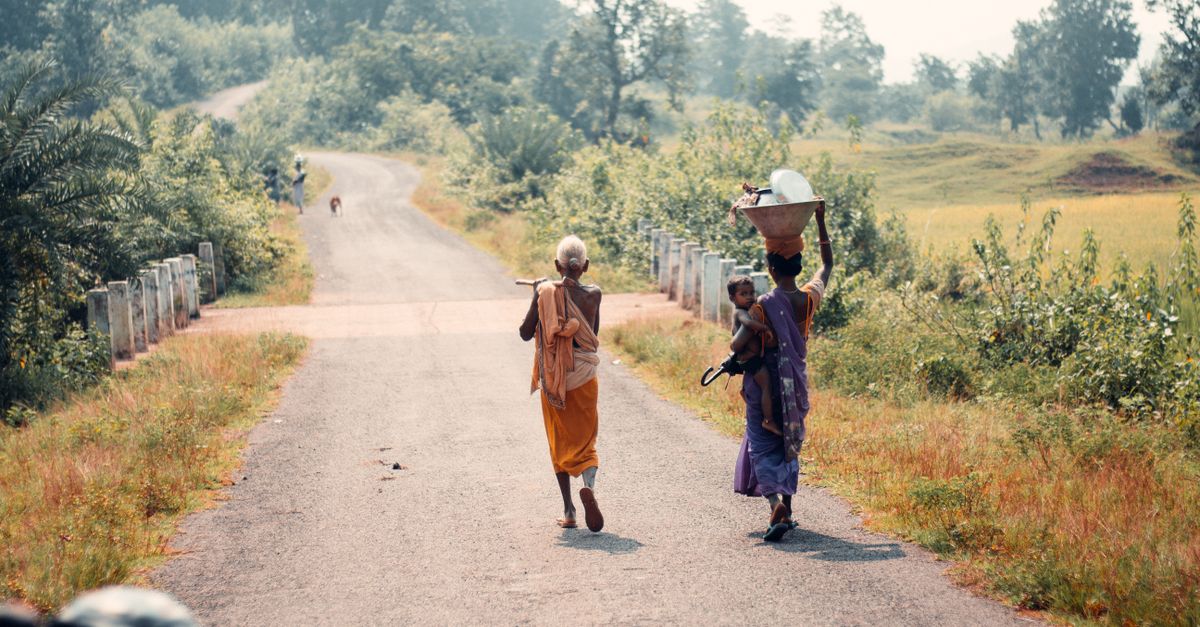
India's health infrastructure faces challenges in disaster preparedness. How can policy adapt to ensure resilience?
As one of the world's most populous nations, India is no stranger to natural disasters. From the devastating floods in Kerala to cyclones ravaging the eastern coastline, the country frequently finds itself at the mercy of nature's fury. While efforts to mitigate these disasters have improved over the years, the intersection of disaster preparedness and health remains a critical area that demands urgent attention.
Why Health Infrastructure Faces Challenges
India's healthcare system is vast but unevenly distributed, with significant disparities between urban and rural areas. In times of disaster, these disparities become glaringly evident. The 2018 Kerala floods, for instance, exposed vulnerabilities in rural health facilities, which were ill-equipped to handle the sudden influx of patients.
Moreover, the pandemic highlighted the gaps in public health infrastructure, including the lack of adequate emergency response systems and the need for better training of healthcare professionals to handle crises. This has spurred a national conversation about the necessity of integrating disaster preparedness into the health sector more effectively.
Policies Aiming for Resilience
To tackle these challenges, the Indian government has been formulating policies aimed at enhancing disaster resilience. The National Disaster Management Authority (NDMA) has laid out comprehensive guidelines for disaster management, emphasizing the importance of a coordinated approach involving both government and non-governmental organizations.
Key initiatives include the establishment of rapid response teams, the development of mobile health units, and the integration of disaster management training in medical education. These steps are crucial in ensuring that healthcare facilities can continue to function during crises and that medical professionals are prepared to act swiftly and efficiently.
The Role of Technology in Disaster Preparedness
Technology plays a pivotal role in enhancing disaster preparedness. With the advancement of digital health tools and telemedicine, remote areas now have better access to medical advice during emergencies. The use of Geographic Information Systems (GIS) for disaster mapping and prediction has also improved, allowing for more precise and timely interventions.
Mobile applications that provide real-time updates and alerts about impending disasters can empower communities to take preemptive measures. However, the challenge remains to ensure these technologies are accessible to all, especially in regions with limited internet connectivity.
Community Involvement: A Key Factor
Communities play a vital role in disaster preparedness and response. Grassroots organizations and local leaders can mobilize resources and coordinate efforts at the ground level, ensuring that help reaches those in need swiftly. Community health workers, often the first point of contact in rural areas, are instrumental in disseminating information and providing basic medical care during disasters.
Training programs aimed at building local capacity for disaster response can significantly improve outcomes. By empowering communities with knowledge and resources, India can enhance its resilience to natural calamities.
The Way Forward
As climate change continues to increase the frequency and intensity of natural disasters, India must prioritize the integration of disaster preparedness into its healthcare strategy. This requires not only robust policy frameworks but also a concerted effort to involve communities and leverage technology.
Dr. Rajesh Ranjan, a public health expert, suggests, "Building resilience is not just about infrastructure; it's about creating a culture of preparedness where every individual understands their role in mitigating the impact of disasters." As India moves forward, this cultural shift will be essential in safeguarding health and wellbeing against the unpredictable forces of nature.