
Impact of Air Pollution on Hypertension
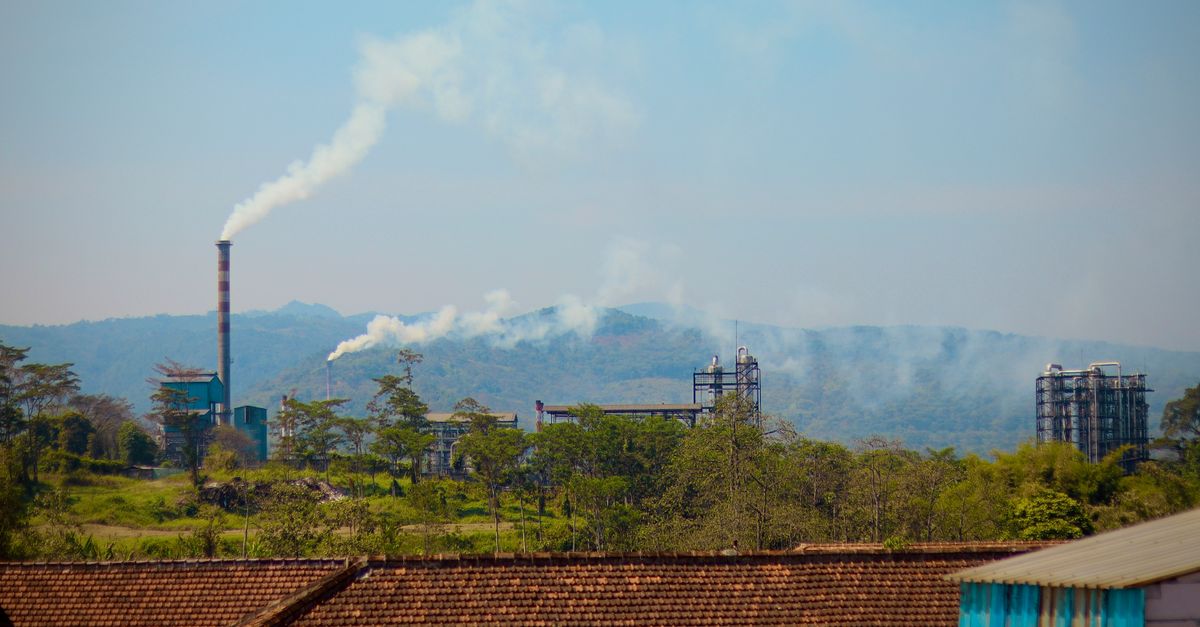
Air pollution significantly raises hypertension risk worldwide.
Air pollution is increasingly recognized as a significant public health concern, impacting a wide range of health conditions. Among these is hypertension, or high blood pressure, a condition that affects millions globally and is a major risk factor for cardiovascular diseases. This article explores the connection between air pollution and hypertension, highlighting recent studies that unveil the underlying mechanisms and risks associated with exposure to polluted air.
Understanding the Link Between Air Pollution and Hypertension
Research has shown a concerning link between air pollution and hypertension, suggesting that harmful airborne particles can have direct and indirect effects on cardiovascular health. Air pollutants, including particulate matter (PM), nitrogen dioxide (NO2), and sulfur dioxide (SO2), can enter the bloodstream through the lungs, leading to inflammation and oxidative stress. These physiological changes can disrupt the normal function of blood vessels, causing them to constrict and increasing blood pressure.
Additionally, long-term exposure to air pollution has been associated with chronic health issues such as obesity and diabetes, both of which are known risk factors for hypertension. For instance, individuals living in urban areas with high levels of air pollution may experience increased rates of stress and anxiety, further exacerbating their risk for developing high blood pressure. The interplay between environmental factors and lifestyle choices complicates the understanding of how air pollution directly affects blood pressure regulation.
Moreover, vulnerable populations, including the elderly and those with pre-existing health conditions, are at heightened risk. Studies indicate that these groups may experience more pronounced effects from air pollution, leading to a greater incidence of hypertension. Understanding the nuances of this relationship is crucial for public health initiatives aimed at mitigating the effects of air pollution on cardiovascular health.
Recent Studies Highlight Risks of Pollution-Induced High Blood Pressure
Recent studies have reinforced the link between air pollution and hypertension, offering compelling evidence that fine particulate matter can significantly elevate blood pressure levels. A large-scale study conducted in India found that individuals exposed to high levels of PM2.5 were more likely to develop hypertension over time. This finding aligns with similar research conducted in other countries, suggesting a global health issue that transcends geographic boundaries.
The mechanisms at play involve not only direct physical effects but also changes in the autonomic nervous system, which regulates blood pressure and heart rate. Pollutants can trigger inflammatory responses that lead to vascular dysfunction, making blood vessels less elastic and more resistant to blood flow. This resistance can result in elevated blood pressure, posing serious health risks over time, including heart attacks and strokes.
In light of this research, public health officials are urged to implement policies aimed at reducing air pollution levels. Initiatives such as stricter emission standards for vehicles and industries, promotion of green public transport, and urban planning that prioritizes clean air can play a crucial role in lowering hypertension rates. The evidence underscores the importance of addressing air quality as a vital component of cardiovascular health strategies.
The impact of air pollution on hypertension is a growing concern that warrants immediate attention. As research continues to unveil the intricate connections between environmental factors and cardiovascular health, it becomes increasingly clear that proactive measures are essential. By addressing air quality, communities can work towards reducing the prevalence of hypertension and improving overall public health. Awareness and action are crucial in combating this silent epidemic, and it is imperative for individuals to stay informed and advocate for cleaner air.