
Unpacking the Real Impact of High-Deductible Health Plans on Patients
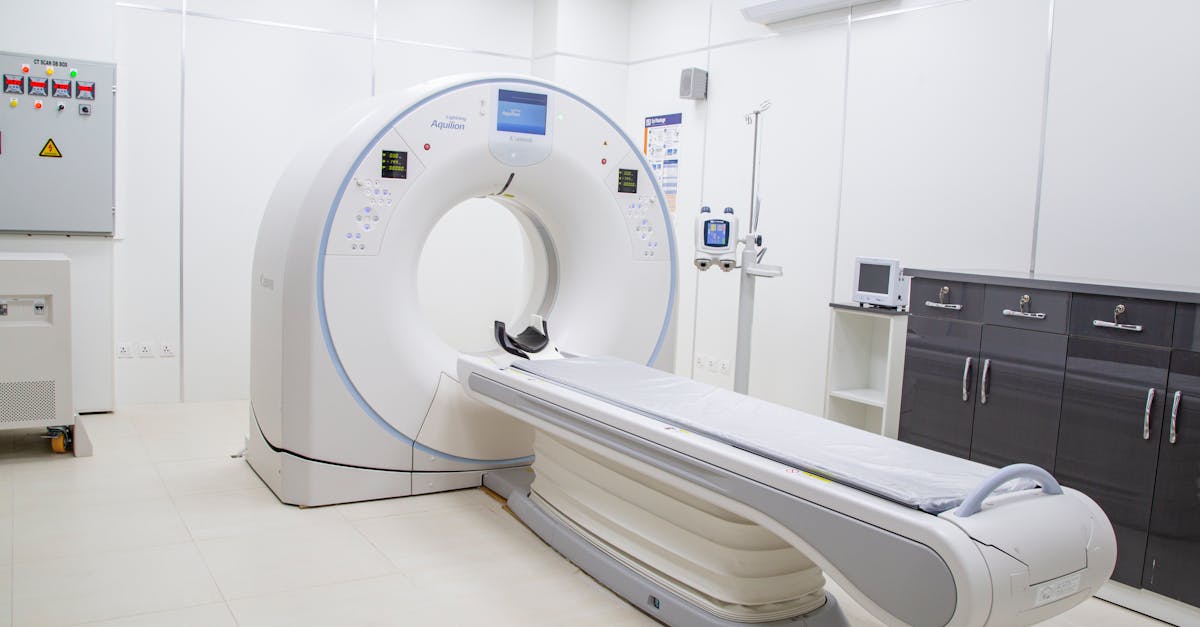
High-deductible health plans are reshaping patient behavior in the US, often delaying necessary care due to costs.
As high-deductible health plans (HDHPs) become increasingly prevalent in the U.S. healthcare landscape, patients face new challenges in managing their medical expenses. These plans, which require consumers to pay more out-of-pocket before insurance coverage kicks in, are designed to lower monthly premiums. However, the financial burden on patients can be significant, leading many to delay or forgo necessary medical care.
Why High-Deductible Plans Appeal to Employers
HDHPs have gained traction among employers seeking to reduce their healthcare costs. By shifting more of the financial responsibility to employees, companies can offer lower premiums, which are attractive in an economy where healthcare costs are consistently rising. According to the Kaiser Family Foundation, nearly 30% of covered workers were enrolled in an HDHP in 2022, a figure that has steadily increased over the past decade.
Employers often pair these plans with Health Savings Accounts (HSAs) to help employees manage their out-of-pocket expenses. While HSAs offer tax advantages and can be a valuable tool for those who can afford to contribute, not all employees are in a financial position to take full advantage of these savings vehicles.
Patient Behavior and Medical Decision-Making
The impact of HDHPs on patient behavior is profound. Research from the Commonwealth Fund indicates that individuals with high-deductible plans are more likely to delay or skip medical treatments due to cost concerns. This can lead to worsening health conditions and, ironically, higher costs down the line when more intensive treatments become necessary.
Moreover, a study published in the Journal of the American Medical Association found that patients enrolled in HDHPs were less likely to pursue preventive services. The immediate financial burden of care often outweighs the long-term benefits in the eyes of cost-conscious consumers.
The Health Consequences of Skipping Care
For patients, the decision to delay care can have dire health consequences. Chronic conditions like diabetes or hypertension require regular monitoring and medication adherence. When patients skip appointments or ration medications to save money, their health can deteriorate quickly, leading to emergency room visits or hospitalizations that are far more costly than routine care.
According to the Centers for Disease Control and Prevention (CDC), the delay in seeking care is a significant contributor to the growing burden of chronic diseases in the U.S. This situation exacerbates health disparities, particularly among low-income and minority populations who are more likely to be enrolled in HDHPs.
Policy Implications and Future Directions
The trend toward high-deductible plans raises important questions about the future of healthcare policy in the United States. While these plans were initially promoted as a way to make consumers more cost-conscious, the unintended consequences are prompting calls for reform.
Potential policy solutions include increasing transparency around healthcare costs and encouraging price competition among providers. Additionally, expanding access to preventive services without cost-sharing could mitigate some of the adverse effects of HDHPs.
The Affordable Care Act (ACA) has made strides in this area by mandating coverage for certain preventive services, but more comprehensive measures may be needed to protect patients from the financial risks associated with high-deductible plans.
As the healthcare landscape continues to evolve, stakeholders must balance cost savings with patient access to necessary care. The challenge lies in crafting policies that ensure affordability without compromising the quality of care. For now, patients and providers alike must navigate the complexities of high-deductible plans, making informed decisions that prioritize health above all else.