
The Impact of Climate Change on Public Health in the US
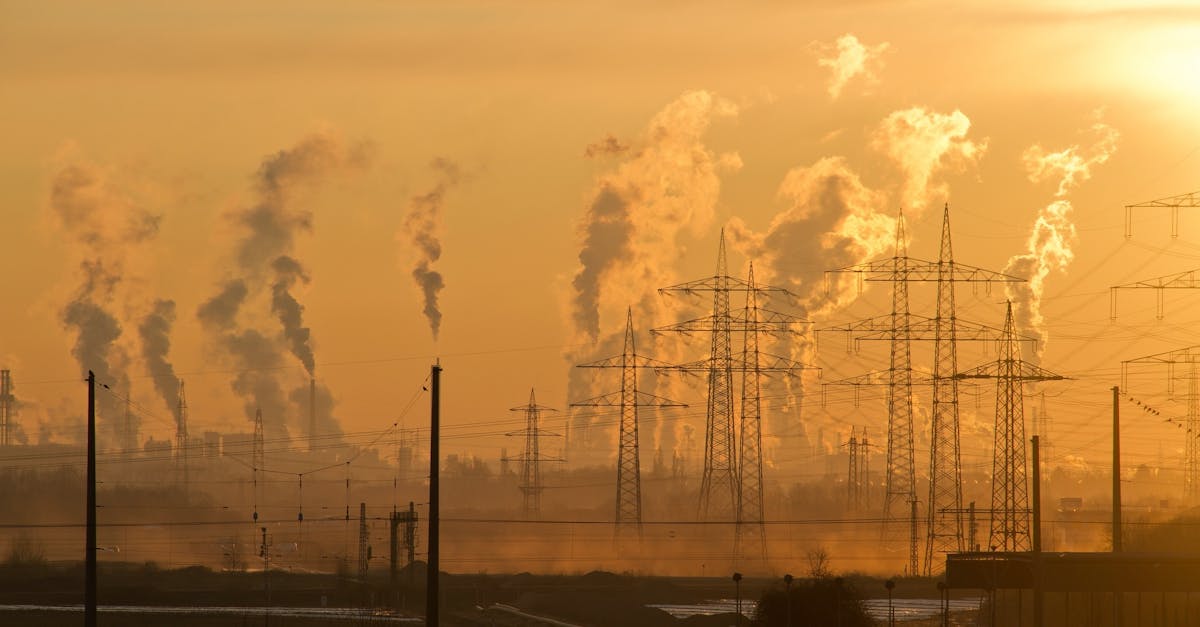
Climate change is reshaping US public health, increasing disease risks and affecting healthcare systems.
When Hurricane Katrina devastated New Orleans in 2005, it not only destroyed homes but also served as a stark reminder of the intricate link between climate and health. As climate change accelerates, its impact on public health in the United States has become impossible to ignore. Rising temperatures, extreme weather events, and shifting disease patterns are reshaping the landscape of healthcare, demanding attention from federal agencies, healthcare providers, and policymakers.
Extreme Weather and Health Risks
The United States is witnessing more frequent and severe weather events, from hurricanes in the Gulf Coast to wildfires in California. These events pose direct threats to physical health, causing injuries and fatalities, and indirectly affect mental health by exacerbating stress and anxiety. The Centers for Disease Control and Prevention (CDC) has highlighted the increased risk of respiratory and cardiovascular issues as air quality deteriorates during wildfires, while hurricanes often lead to waterborne diseases in their aftermath.
Rising Temperatures and Heat-Related Illnesses
Average temperatures in the United States have increased over the past century, with the National Oceanic and Atmospheric Administration (NOAA) reporting a rise of about 1.8°F. This trend is linked to more frequent and severe heatwaves, which pose significant risks to vulnerable populations such as the elderly, children, and those with pre-existing health conditions. Heat-related illnesses, including heat exhaustion and heat stroke, have become more common, straining emergency services and healthcare facilities. The Department of Health and Human Services (HHS) is working to mitigate these effects through public awareness campaigns and support for local health departments.
Vector-Borne Diseases on the Rise
Climate change is also altering the habitats of disease vectors such as mosquitoes and ticks, leading to a spread of illnesses like Lyme disease and West Nile virus. The CDC has noted a significant increase in vector-borne diseases over the past two decades, with warmer temperatures and changing precipitation patterns creating more hospitable environments for these pests. This shift requires healthcare providers to remain vigilant and adaptable, with the National Institutes of Health (NIH) investing in research to better understand and combat these emerging threats.
Impact on Vulnerable Populations
While climate change affects everyone, its health impacts are disproportionately borne by low-income communities, racial minorities, and those without adequate access to healthcare. The Affordable Care Act (ACA) and Medicaid expansion have improved access to healthcare for many, but gaps remain. These populations often have limited resources to adapt to climate-related health challenges, creating a pressing need for targeted interventions and policy responses. Healthcare providers and policymakers must prioritize equity in their climate resilience strategies, ensuring that the most vulnerable are not left behind.
Adapting Healthcare Systems
As climate change continues to challenge public health, healthcare systems in the United States must adapt. The Centers for Medicare & Medicaid Services (CMS) are encouraging hospitals to develop climate action plans, focusing on energy efficiency and disaster preparedness. Pharmaceutical companies are also being urged to consider the impacts of climate change on drug supply chains. By investing in sustainable practices and infrastructure, the healthcare sector can play a pivotal role in mitigating the health effects of climate change.
Looking forward, the collaboration between federal agencies, healthcare providers, and communities will be crucial in addressing the ongoing and future impacts of climate change on public health. As the climate continues to evolve, so must our strategies to protect human health and well-being.