
Imaging Study Exposes Silent Atherosclerosis Prevalence at ESC 2026
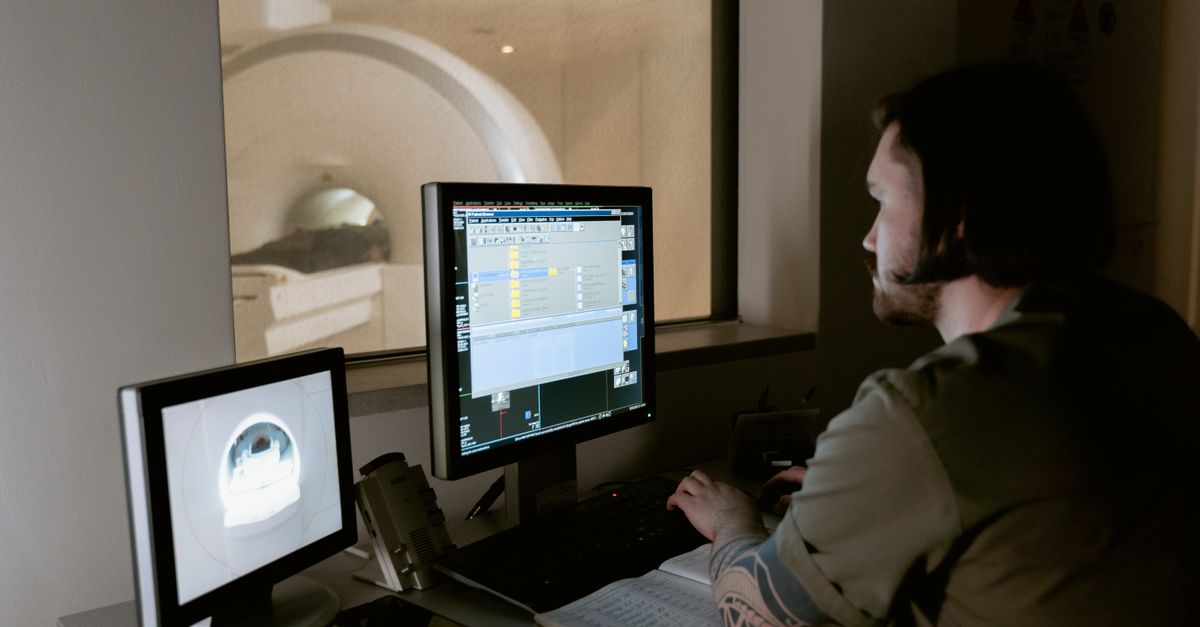
New imaging techniques reveal a widespread silent atherosclerosis burden, potentially affecting 1 in 13 adults before age 30.
Recent findings presented at the European Society of Cardiology (ESC) 2026 conference have unveiled a significant silent atherosclerosis burden across various age groups. Advanced imaging techniques have identified this condition in individuals who might otherwise appear healthy, raising concerns about the effectiveness of standard risk assessment tools.
Imaging Techniques Uncover Hidden Risks
The study highlights the role of imaging technologies in detecting silent artery plaques, which may be present in one out of every 13 adults before they reach 30. This silent manifestation of atherosclerosis often goes unnoticed by traditional risk assessment methods, suggesting a need for enhanced diagnostic approaches.
Researchers utilized advanced imaging modalities to map the extent of atherosclerosis across the adult lifespan. The findings indicate that many individuals harbor these silent plaques without displaying symptoms, which could lead to severe cardiovascular events if undetected.
Implications for Cardiovascular Disease Prevention
The implications of these findings are profound for global cardiovascular disease (CVD) prevention strategies. Identifying and addressing silent atherosclerosis early could significantly reduce the burden of CVD worldwide. The ESC 2026 discussions emphasized the need to integrate these imaging techniques into routine clinical practice to improve early detection and intervention.
Standard risk tools, often reliant on factors like age, smoking, and cholesterol levels, may not sufficiently capture the silent nature of atherosclerosis. The study calls for a revision of current guidelines to incorporate imaging diagnostics, thereby enhancing the predictive accuracy for CVD risks.
Future Directions and Research
Moving forward, researchers advocate for broader adoption of imaging technologies in clinical settings. This would involve not only updating screening protocols but also educating healthcare professionals on the nuances of interpreting imaging results related to atherosclerosis.
Further research is essential to determine the most cost-effective and efficient ways to implement these diagnostic tools on a large scale. As the healthcare community grapples with the complexities of atherosclerosis, these advancements offer a promising avenue for mitigating future cardiovascular risks.