
Hypertension: The Unseen Epidemic Sweeping Across India
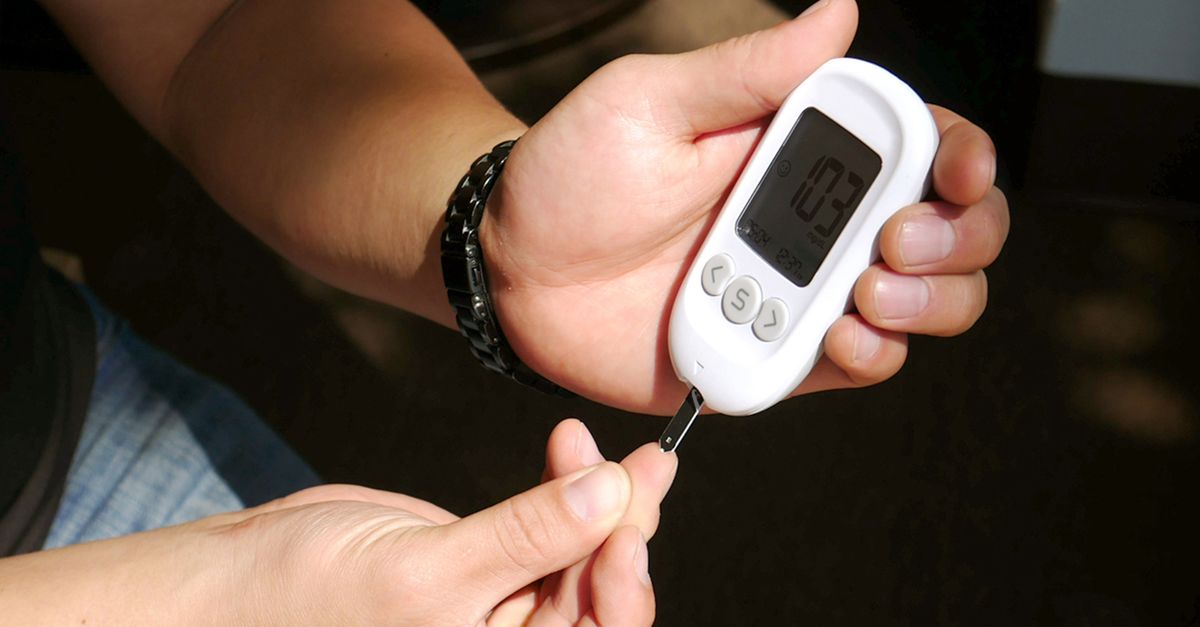
With millions affected yet unaware, hypertension silently strains India's healthcare system.
In the bustling cities and remote villages of India, a health crisis is quietly unfolding. Hypertension, often dubbed the 'silent killer,' is affecting millions of Indians, many of whom remain unaware of their condition. As of 2023, studies estimate that nearly 30% of the adult population in India suffers from high blood pressure. This condition, if left unchecked, can lead to severe complications such as heart disease, stroke, and renal failure, placing a substantial burden on the country's healthcare infrastructure.
The Unnoticed Threat
Hypertension is particularly insidious because it often presents no symptoms until significant damage has been done. Many individuals discover their condition only after experiencing a major health event. This lack of awareness is compounded by a general dearth of routine health screenings, especially in rural areas where healthcare access is limited. A survey conducted by the Indian Council of Medical Research revealed that only one in four individuals with hypertension in India is aware of their condition, underscoring the critical need for increased awareness and routine screening.
Societal and Lifestyle Factors
The rapid urbanization and lifestyle changes witnessed in India over recent decades have significantly contributed to the rise of hypertension. The increasing prevalence of unhealthy diets high in sodium and fat, coupled with sedentary lifestyles, has exacerbated the issue. Additionally, stress levels have surged due to competitive work environments and urban congestion. These factors, combined with genetic predispositions, have created a perfect storm for hypertension to thrive.
Furthermore, cultural attitudes towards health and wellness often lead to delayed medical consultations. Many individuals prefer traditional remedies and only seek modern medical advice when symptoms become severe, often when it is too late for preventive measures.
Government and Healthcare Initiatives
Recognizing the gravity of the situation, the Indian government has launched several initiatives aimed at curbing the spread of hypertension. The National Programme for Prevention and Control of Cancer, Diabetes, Cardiovascular Diseases, and Stroke (NPCDCS) is one such initiative, designed to promote awareness and facilitate early detection through community-based health screenings.
Despite these efforts, the reach and effectiveness of such programs are often hampered by logistical challenges and resource constraints. There remains a significant gap in healthcare delivery between urban and rural areas, with rural regions suffering from a shortage of healthcare professionals and facilities.
Technology and Innovation in Healthcare
Technology offers promising avenues for addressing the hypertension epidemic in India. Mobile health (mHealth) applications and telemedicine platforms are increasingly being used to improve access to healthcare and facilitate regular monitoring of blood pressure. These tools can bridge the gap in healthcare access, allowing patients in remote areas to consult with specialists without the need to travel long distances.
Moreover, wearable technology that continuously monitors vital signs is gaining popularity. These devices can provide real-time data to both patients and healthcare providers, enabling timely interventions that could prevent major health crises. However, widespread adoption remains a challenge due to cost and technology literacy barriers.
Looking Ahead: A Collaborative Effort
Combating hypertension in India requires a collaborative effort involving government bodies, healthcare providers, and the public. Awareness campaigns need to be intensified, focusing on preventive care and lifestyle modifications. Simultaneously, investments in healthcare infrastructure must be prioritized to ensure that even the most remote communities have access to necessary medical services.
The battle against hypertension is not one that can be won overnight. However, by leveraging technology, enhancing public health policies, and fostering a culture of health consciousness, India can begin to reverse the tide of this silent epidemic. As Dr. Ramesh Kumar, a leading cardiologist in Mumbai, aptly puts it, "The key to tackling hypertension lies in education and early intervention. Together, we can ensure a healthier future for the nation."