
Hypertension in Rural India: Challenges and Gaps
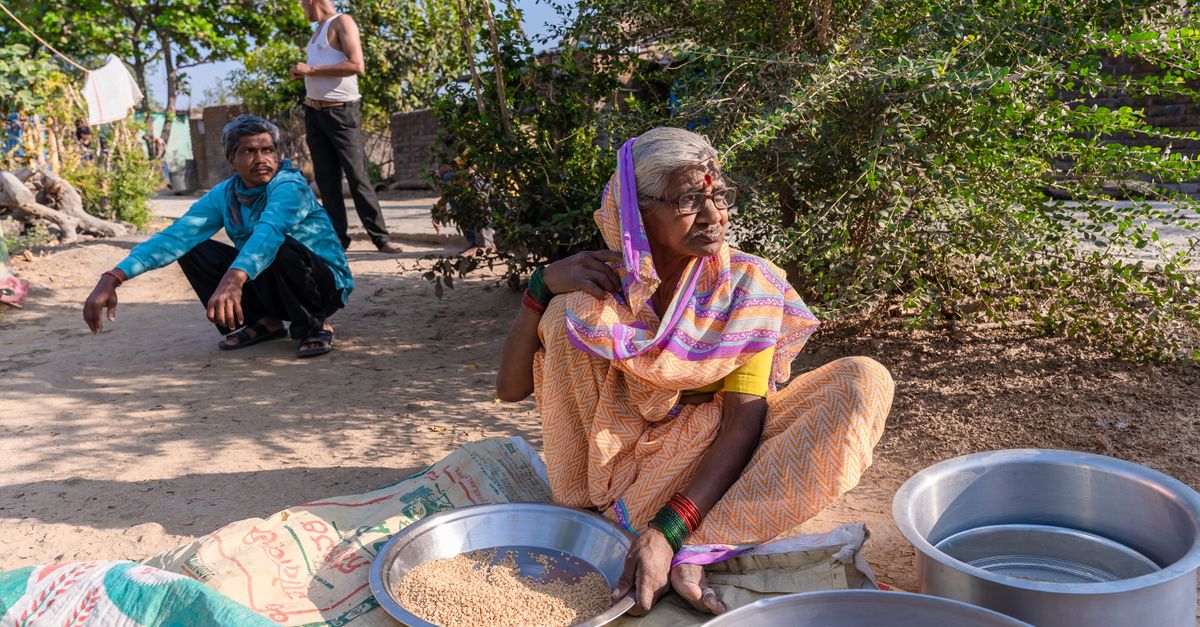
Rural India faces significant challenges in managing hypertension.
Hypertension, commonly known as high blood pressure, is a silent but pervasive health challenge affecting millions worldwide. In rural India, the situation is particularly concerning due to various socio-economic factors that exacerbate the problem. While urban centers have seen advances in healthcare access and awareness, rural populations continue to grapple with a lack of resources, education, and infrastructure. Understanding the prevalence and the barriers to effective management of hypertension in these areas is crucial for developing targeted interventions.
Understanding the Prevalence of Hypertension in Rural India
Hypertension is increasingly recognized as a significant public health issue in rural India, with studies indicating that nearly 30% of adults in these regions are affected. Various factors contribute to this alarming statistic, including poor dietary habits, sedentary lifestyles, and genetic predispositions. The shift from traditional diets rich in vegetables and whole grains to processed foods high in salt and sugar has played a crucial role in the rising numbers. Additionally, the lack of regular health check-ups often leads to undiagnosed and untreated cases, further complicating the situation.
Furthermore, the impact of stressors such as agricultural uncertainty and economic instability cannot be ignored. Many individuals in rural areas face daily challenges related to income and food security, which can contribute to chronic stress and poor health outcomes. Surveys reveal that awareness about hypertension and its consequences remains low, with many individuals unaware of their blood pressure status. This lack of knowledge can delay diagnosis and treatment, perpetuating a cycle of poor health in these communities.
Government initiatives and public health campaigns are beginning to address hypertension in rural areas, but their reach is often limited. While there is an increasing recognition of the need to tackle lifestyle diseases, the implementation of effective programs remains a challenge. Moreover, data collection on the prevalence of hypertension in rural India is often inconsistent, making it difficult to assess the true scope of the problem and tailor interventions accordingly.
Identifying Key Barriers to Effective Hypertension Management
One of the most significant barriers to managing hypertension in rural India is the shortage of healthcare facilities and professionals. Many villages lack access to qualified doctors, and those who are available often deal with multiple health issues, making it challenging to prioritize non-communicable diseases like hypertension. As a result, individuals may not receive timely diagnoses or ongoing management, leaving them vulnerable to complications associated with high blood pressure.
Additionally, cultural beliefs and stigma surrounding chronic diseases can hinder individuals from seeking help. Many people in rural areas may view hypertension as a natural part of aging or as a condition that does not require medical intervention. This perception can lead to fatalism, where individuals resign themselves to their fate rather than actively seeking treatment or lifestyle changes. Public health campaigns need to address these beliefs and provide education that emphasizes the importance of managing hypertension.
Lastly, the affordability and accessibility of medications pose significant challenges. While some government programs aim to provide medications at subsidized rates, the supply chain issues often result in stock shortages. Consequently, patients may be forced to abandon their treatment regimens due to financial constraints or lack of availability. This gap in the healthcare system underscores the need for more robust policies that ensure consistent access to essential medications for managing hypertension in rural communities.
Addressing hypertension in rural India is a multifaceted challenge that requires a comprehensive approach. Increased awareness, improved healthcare access, and culturally sensitive educational initiatives are essential for managing this silent epidemic effectively. As rural populations continue to grow, the need to prioritize non-communicable diseases like hypertension becomes increasingly urgent. By identifying and addressing the barriers to effective management, stakeholders can work toward healthier communities and improved quality of life for millions across rural India.