
How Young Indian Doctors Are Revolutionizing Patient Care
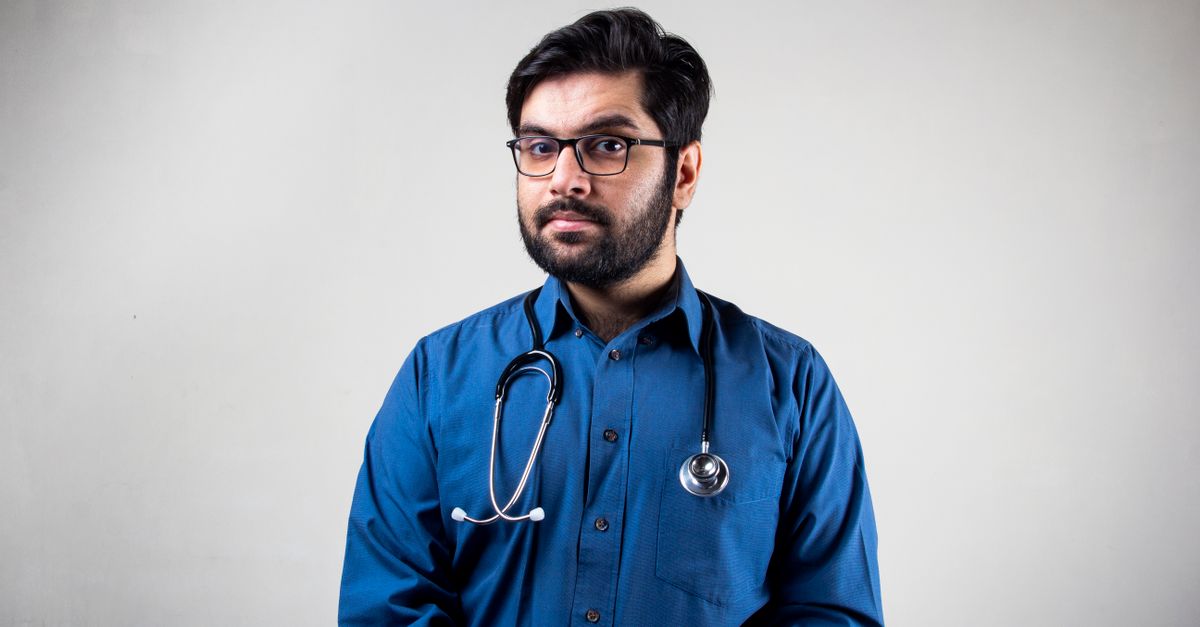
Young Indian doctors are reshaping healthcare by embracing technology and patient-centric models, setting new benchmarks in medical practice and delivery.
In recent years, a wave of change has swept across the Indian healthcare landscape, driven by a new generation of young doctors. These practitioners are challenging traditional norms and implementing innovative approaches to patient care, transforming the way health services are delivered in the country. The shift is not only in techniques but also in attitudes, as these doctors bring a fresh perspective to medical practice, emphasizing empathy, accessibility, and technology integration.
The Rise of Technology in Medicine
Young Indian doctors are at the forefront of integrating technology into healthcare. Many are leveraging telemedicine platforms to reach patients in remote areas, breaking geographical barriers that have long hindered access to quality healthcare. According to a 2022 report by NITI Aayog, telemedicine has the potential to address 60-80% of healthcare needs, and young doctors are capitalizing on this opportunity.
Furthermore, these medical professionals are embracing artificial intelligence and machine learning to enhance diagnostic accuracy and treatment plans. Institutions like the All India Institute of Medical Sciences (AIIMS) are collaborating with tech companies to harness data analytics for better patient outcomes. Dr. Aditi Rao, a 29-year-old oncologist, states, "Technology allows us to offer precision medicine, tailoring treatments to individual patients and improving success rates."
Patient-Centric Healthcare Models
Another significant shift led by young doctors is the move towards patient-centric care. Traditionally, Indian healthcare has been more doctor-centric, with less emphasis on patient involvement in decision-making. However, the new generation of doctors prioritizes patient education and empowerment, ensuring individuals are active participants in their health journey.
Dr. Rohan Mehta, a 32-year-old cardiologist from Mumbai, is known for his "open door" policy, encouraging patients to discuss their concerns and preferences openly. "Patients today are more informed and want to be involved in their care decisions. It's our responsibility to facilitate that," he asserts.
Focus on Preventive Medicine
The shift towards preventive medicine is another hallmark of young Indian doctors' approach to healthcare. They are actively promoting lifestyle changes and preventive measures to combat chronic diseases such as diabetes and heart disease, which are prevalent in India. Programs focusing on diet, exercise, and mental health are increasingly common in clinics run by young practitioners.
Government initiatives like the National Health Mission are being supported by these doctors, who implement community outreach programs and health camps. Dr. Priya Sharma, a 28-year-old general practitioner, organizes monthly wellness workshops in rural areas, emphasizing the importance of regular health check-ups and a balanced diet. "Prevention is better than cure, and we need to instill this mindset early," she explains.
Challenges and Future Prospects
Despite these advancements, young Indian doctors face significant challenges, including bureaucratic hurdles and resource constraints. The public healthcare system is often overburdened, and young doctors must navigate these obstacles while maintaining the quality of care. However, their resilience and innovative spirit continue to drive progress.
Looking ahead, the role of young doctors in reshaping Indian healthcare appears promising. As more medical schools incorporate courses on digital health and patient management skills, the future generation of doctors will likely be even better equipped to tackle healthcare challenges. The ongoing transformation promises not only improved patient outcomes but also a more sustainable and accessible healthcare system for all.
As Dr. Aditi Rao aptly puts it, "We're not just treating diseases; we're shaping the future of healthcare in India."