
How virtual patient desk improves patient onboarding
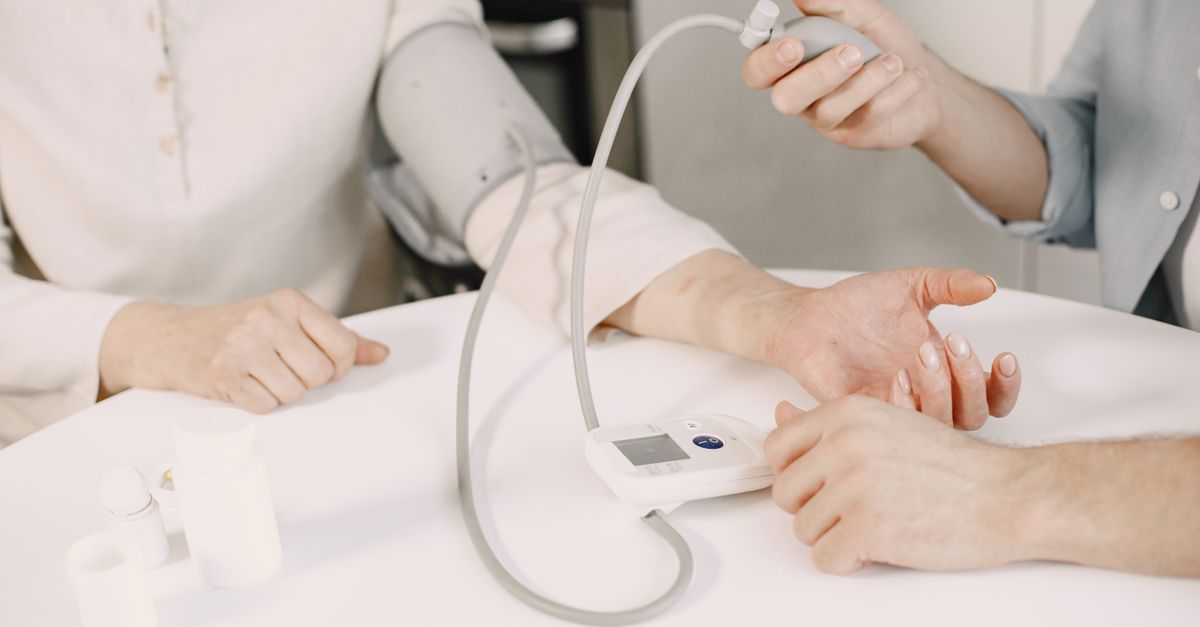
Virtual patient desks streamline onboarding, enhancing efficiency.
As the healthcare landscape continues to evolve, patient onboarding remains a critical component of delivering quality care. The introduction of virtual patient desks offers innovative solutions that streamline this process. By leveraging technology, healthcare providers can enhance patient experiences while ensuring efficient data management and communication. This article explores how virtual patient desks improve patient onboarding, focusing on their efficiency, accessibility, and integration into existing healthcare systems.
Enhancing Patient Onboarding Efficiency with Virtual Desks
The onboarding process is often a patient’s first impression of a healthcare facility, and a smooth transition can significantly impact their overall satisfaction. Virtual patient desks play a pivotal role in enhancing this experience. By automating routine tasks, such as data collection and appointment scheduling, these platforms reduce waiting times and administrative burdens on healthcare staff. Patients can complete forms and share essential information from the comfort of their homes, leading to a more organized and efficient process upon arrival at the facility.
Moreover, virtual patient desks facilitate real-time communication between patients and healthcare providers. Features like chatbots and instant messaging allow for quick clarification of queries concerning paperwork or appointment details. This removes potential barriers to entry for patients who might feel overwhelmed or confused by the traditional onboarding process. By ensuring clarity and accessibility, virtual desks foster a more welcoming environment for patients, directly contributing to higher retention rates and overall satisfaction.
Furthermore, the use of virtual patient desks enables healthcare facilities to gather and analyze data effectively. Advanced analytics tools can track patterns in patient onboarding, helping providers identify areas for improvement. By continuously refining their processes based on patient feedback and engagement metrics, healthcare organizations can adapt to evolving patient needs, thereby enhancing the onboarding experience.
Streamlining Healthcare Interactions through Digital Solutions
The integration of virtual patient desks represents a shift towards more digitized healthcare interactions. This transition not only streamlines administrative tasks but also aligns with the growing demand for remote healthcare solutions. As patients increasingly seek convenience, virtual desks allow them to access services anytime and anywhere, breaking down geographical barriers. This accessibility is particularly beneficial for patients in rural areas or those with mobility challenges, ensuring that healthcare is inclusive and equitable.
Moreover, virtual patient desks can facilitate seamless interaction across various departments within healthcare facilities. For instance, a patient may need to consult with a specialist after an initial visit. Virtual desks can automatically route information to the appropriate departments, ensuring that all relevant parties are informed and prepared for the patient's needs. This interconnectedness results in a more holistic approach to patient care, as information flows freely between departments, minimizing delays and miscommunication.
Additionally, these digital solutions are designed to be compliant with healthcare regulations, ensuring data security and patient confidentiality. By incorporating robust security measures, virtual patient desks help safeguard sensitive patient information, thus building trust and credibility. As healthcare providers prioritize patient privacy, the adoption of secure digital solutions is essential for maintaining compliance and enhancing patient trust in the onboarding process.
In conclusion, the implementation of virtual patient desks marks a significant advancement in patient onboarding processes within the healthcare sector. By enhancing efficiency, accessibility, and integration, these digital solutions help create a more streamlined experience for patients and providers alike. As healthcare continues to embrace technology, virtual patient desks are poised to become an integral part of a patient-centric approach, ultimately leading to better healthcare outcomes. As always, patients are encouraged to consult with qualified healthcare professionals when seeking personalized medical advice or treatment options.