
How virtual patient desk enables remote healthcare management
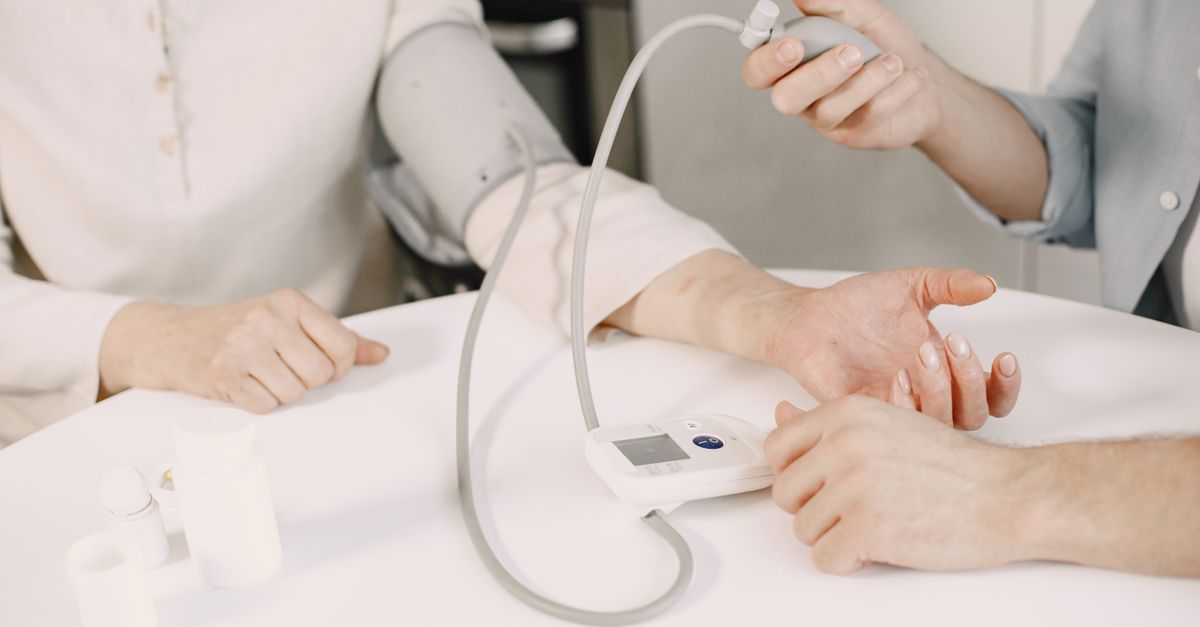
Virtual patient desks transform remote healthcare access.
The advent of technology in healthcare has transformed the way patients and providers interact, especially during times when face-to-face consultations are limited. One significant innovation in this realm is the virtual patient desk, which streamlines communication and management of patient care remotely. This article delves into how virtual patient desks are enabling remote healthcare management, enhancing patient experiences, and facilitating better outcomes.
Transforming Healthcare: The Role of Virtual Patient Desks
Virtual patient desks serve as a digital interface between healthcare providers and patients, effectively bridging the gap created by geographical distances and the constraints of in-person visits. They allow patients to access their medical information, schedule appointments, and communicate directly with their healthcare providers. This digital transformation is particularly critical in regions where healthcare resources are scarce, enabling patients to receive timely care without the burden of travel.
Moreover, these platforms integrate various tools and technologies to enhance user experience. Features such as telemedicine consultations, electronic health records (EHR), and secure messaging ensure that patients can receive comprehensive care from the comfort of their homes. This not only saves time but also fosters a more proactive approach to health management, as patients can easily monitor their conditions and communicate any concerns with their healthcare team.
The implementation of virtual patient desks also aligns with the growing trend of personalized healthcare. By enabling continuous monitoring and providing tailored health resources, these platforms empower patients to take charge of their health. The data collected through virtual patient desks can also help healthcare providers make informed decisions and develop customized treatment plans, thus enhancing patient outcomes.
Enhancing Remote Management for Patients and Providers alike
The benefits of virtual patient desks extend beyond patient engagement; they also significantly enhance the efficiency of healthcare providers. By reducing the need for in-person visits, providers can allocate their time more effectively, focusing on patients who require immediate attention. This efficiency is particularly important in managing chronic conditions, where regular monitoring and adjustments to treatment are crucial for patient well-being.
Additionally, virtual patient desks facilitate better data collection and management. Healthcare providers can access real-time data on patient health metrics, medication adherence, and appointment histories. This information allows for more accurate assessments and timely interventions, ultimately leading to improved health outcomes. In emergency situations, timely access to patient data can be life-saving, making these tools indispensable in modern healthcare settings.
Furthermore, these systems support continuity of care, which is vital for a holistic approach to health management. When patients transition between healthcare providers or settings, the virtual patient desk can provide a seamless transfer of information, ensuring that care remains coordinated. This is especially important in complex cases involving multiple specialists, as it fosters collaboration among healthcare teams and minimizes the risk of miscommunication.
In conclusion, the integration of virtual patient desks into healthcare systems marks a significant step forward in remote healthcare management. By enhancing communication, improving efficiency, and supporting personalized care, these tools are not only transforming patient experiences but also redefining the roles of healthcare providers. As technology continues to evolve, the ongoing adoption of virtual patient desks could pave the way for a more connected and proactive healthcare ecosystem, ultimately benefiting patients and providers alike.